


VA Ratings and Understanding a Genitourinary Condition and VA Disability
Veterans frequently experience severe and silent health battles long after their active military service officially concludes. One common yet rarely discussed medical issue involves chronic complications directly affecting the urinary tract, which often requires a specific VA rating urinary conditions evaluation. These frustrating physical conditions severely impact your daily life, professional work capacity, and overall physical comfort. Securing an accurate VA disability rating requires clear medical documentation and a thorough understanding of the claims process. You must present strong medical evidence to establish a direct link between your current symptoms and your active duty time.
The Department of Veterans Affairs recognizes these specific debilitating symptoms and provides financial compensation for qualified individuals. This comprehensive guide breaks down exactly how the federal rating schedule evaluates a genitourinary condition and determines your VA disability eligibility. You will learn the specific criteria required to maximize your VA disability benefits for various urological problems. We cover everything from minor urinary tract infection issues to severe voiding dysfunction so you can prepare a successful va claim.
Understanding the nuances of veterans law is essential for navigating the complexities of the rating schedule. Many claimants struggle to articulate the severity of their symptoms during the initial application phase. By focusing on objective medical evidence and functional limitations, you can better position yourself for a favorable outcome. This guide serves as a roadmap for those seeking to understand how the VA rate for urinary issues is calculated and applied to their specific case.

VA Ratings and Understanding a Genitourinary Condition and VA Disability
A genitourinary condition encompasses any disease or physical injury that affects the reproductive organs or urinary tract. Veterans often develop these medical problems due to physical trauma, chemical exposure, or secondary complications from other injuries like prostate cancer. The symptoms frequently manifest as urinary incontinence or painful urination that completely disrupts normal daily routines and requires VA disability support. The rating schedule groups these medical issues under specific categories based on how they restrict your normal function.
Medical professionals evaluate your voiding dysfunction by looking at frequency, physical control, and the need for protective garments. Your final disability rating depends entirely on the documented severity and frequency of these specific urological symptoms. It is important to note that the VA considers both the physical and functional aspects of the condition. If your condition prevents you from maintaining gainful employment, you may be eligible for higher VA disability ratings.
The kidneys, ureters, bladder, and urethra all play vital roles in the genitourinary system’s overall health. When any of these components are damaged during service, the resulting VA disability can be significant. Chronic kidney disease, for instance, is rated based on the glomerular filtration rate and the need for dialysis. Bladder conditions are often evaluated based on how often you must void or how much leakage occurs throughout the day. These evaluations are standardized to ensure that every veteran receives a fair assessment of their functional limitations.
Furthermore, the VA utilizes specific diagnostic codes to categorize these ailments, such as Code 7512 for chronic cystitis or Code 7517 for bladder injuries. Each code has its own set of criteria that must be met to achieve a certain percentage level. Understanding which code applies to your specific diagnosis is a critical step in the application process. Without this knowledge, you may inadvertently provide information that does not align with the VA’s requirements for a higher rating.
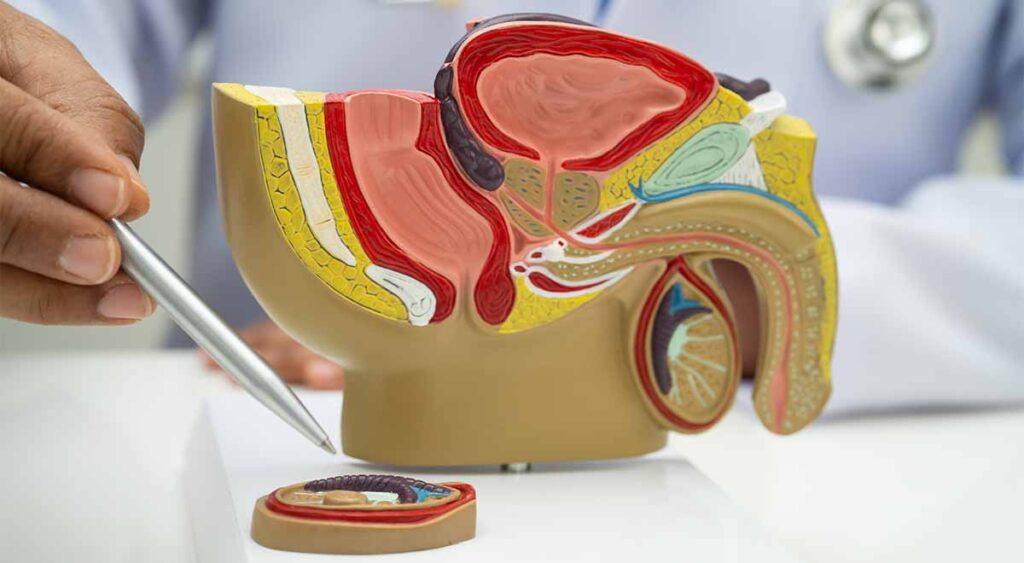
The Impact of Voiding Dysfunction
Many veterans suffer from voiding dysfunction following physical trauma or specialized medical treatments for other service-connected injuries. This broad medical term describes any situation where the bladder fails to store or release urine normally. Common manifestations include overactive bladder and severe urinary incontinence that requires constant management throughout the day. These functional impairments often lead to secondary complications that affect your psychological and emotional health.
Veterans frequently develop severe mental health challenges because they constantly worry about public accidents and bathroom access. You can file a claim for these psychological impacts as secondary conditions to your primary physical diagnosis. The stress of managing a chronic urinary condition can lead to anxiety, depression, and social isolation. Documenting these mental health symptoms is crucial for obtaining a comprehensive disability rating that reflects your true level of impairment.
Furthermore, voiding dysfunction can lead to recurrent urinary tract infection episodes, which further complicate the clinical picture. Each infection can cause additional scarring and damage to the urinary tract, leading to a cycle of worsening health. The VA recognizes this progression and allows for ratings that account for the frequency of these infections. Proper medical evidence must show the chronicity of these infections to secure the appropriate va disability percentage.
💡 Key Takeaways
- The evaluation system focuses heavily on how urological symptoms impair your daily functional abilities.
- Secondary psychological conditions often stem directly from the chronic stress of managing severe bladder issues.
- Detailed medical documentation provides the foundation for establishing the true severity of your physical condition.

VA Rating Urinary Conditions: How the VA Rates Urinary Incontinence
The evaluation process for a genitourinary condition like urinary incontinence relies heavily on the frequency of accidents. The rating schedule uses a specific diagnostic code to categorize the severity of your bladder control issues. You receive higher VA disability ratings when your symptoms demand more aggressive daily management strategies from medical professionals. This includes the use of specialized equipment or frequent changes of clothing due to urine leakage.
To secure an appropriate urinary incontinence va rating, your doctor must complete a specific medical evaluation form. This standardized disability benefits questionnaire provides the exact details adjudicators need to assign an accurate percentage. The examiner will document how often you experience involuntary leaks and what protective measures you currently utilize. Whether you suffer from urge incontinence or stress incontinence, the impact on your life must be clearly stated in your medical records.
A 60% disability rating requires the continuous use of protective garments to manage your urinary incontinence symptoms. If your condition demands changing an absorbent material less frequently, you might receive a significantly lower percentage. The system strictly bases these disability ratings on the objective criteria outlined in the federal rating schedule. It is vital to be honest about the number of pads or garments you use daily to ensure an accurate VA disability assessment.
In many cases, veterans find that the cost of absorbent materials can become a significant financial burden over time. This is why obtaining the correct rating is so important for your long-term financial health. The VA provides these ratings to offset the costs of care and the loss of quality of life associated with chronic leakage. If you are struggling to afford these supplies, be sure to mention this during your C&P exam to emphasize the severity of your condition.
The Role of Absorbent Materials
The specific type and frequency of absorbent material you use directly influences your final monthly compensation amount. The guidelines define an absorbent material as anything from standard adult diapers to specialized protective sanitary pads. You must demonstrate that your urinary incontinence requires these specific products to manage daily life effectively. The VA looks for evidence that these materials are medically necessary for your VA disability claim.
A 40 percent evaluation applies if you require absorbent material that must be changed multiple times daily. If your urinary incontinence only requires a single pad per day, the schedule assigns a 20 percent VA disability rating. Minor urinary incontinence that does not require any absorbent material typically receives a zero percent evaluation. Keeping a log of your usage can provide the necessary evidence to support a higher disability rating during your va claim process.
In addition to pads, some veterans may use external catheters or other collection devices. The VA evaluates the use of these devices similarly to absorbent material, focusing on the frequency of maintenance and the impact on daily activities. If your urinary incontinence is so severe that it requires constant appliance use, you may qualify for a higher va disability tier. Always ensure your medical records reflect the specific type of management you employ for your voiding dysfunction.
💡 Pro Tip
Keep a detailed daily log of how often you change your protective garments before your medical exam. This documentation provides concrete evidence for the doctor completing your benefits questionnaire and helps establish your urinary incontinence severity.

VA Disability Rating for Urinary Frequency and Urinary Tract Infection
Some veterans maintain bladder control but suffer from severe urinary frequency that completely disrupts their waking hours. The schedule assigns a VA disability percentage based on the specific daytime voiding interval you actively experience. If your urinary frequency results in a voiding interval of less than one hour, you qualify for a 40 percent evaluation. This level of frequency makes it nearly impossible to hold a standard job or participate in long social events.
A daytime urinary frequency interval between one and two hours warrants a 20 percent evaluation under current rules. Waking multiple times at night to urinate, known as nocturia, also factors into the overall evaluation for this medical condition. Medical professionals will evaluate your daytime urinary frequency alongside your nighttime interruptions to determine the overall functional impact. If you are voiding five or more times per night, this significantly increases the severity of your VA disability.
Chronic urinary tract infections present another path to compensation under the official genitourinary physical rating system. If you experience a severe urinary tract infection requiring hospitalization multiple times a year, your evaluation increases significantly. Recurrent tract infections that require continuous antibiotic therapy typically warrant a 30 percent evaluation for the veteran. The VA looks for medical records showing the frequency of these infections and the treatments required to manage them.
It is important to distinguish between a single isolated incident and a chronic pattern of infection. The VA requires evidence of multiple episodes over a twelve-month period to establish a compensable rating. If your infections are resistant to standard antibiotics, this should also be noted in your medical file. Chronic inflammation from these infections can lead to long-term bladder wall thickening and reduced capacity, which further exacerbates frequency issues.

Stricture Disease and Obstructed Voiding
Many structural problems within the urinary tract create significant physical resistance that makes normal urination incredibly difficult. The rating schedule provides specific criteria for evaluating obstructed voiding caused by physical blockages or internal strictures. Veterans with stricture disease often require frequent catheterization to empty their bladders and prevent severe kidney damage. This condition is a common form of voiding dysfunction that the VA takes very seriously.
The highest evaluations apply to stricture disease requiring surgical intervention or continuous and aggressive medical symptom management. A 100 percent VA disability rate applies if the condition causes severe kidney dysfunction that requires ongoing dialysis treatment. Less severe cases receive lower percentages based on the specific diagnostic code criteria applied by the adjudicator. It is essential to have a urologist document the extent of the obstruction and the necessity of any invasive procedures.
Obstructed voiding can also lead to secondary issues like bladder stones or chronic urinary tract infection. These complications should be documented as part of your overall va disability rating profile. If the obstruction is a result of prostate cancer treatment, it may be rated under a different diagnostic code but still contributes to your total VA disability. Clear imaging and surgical reports are the best evidence for these types of structural genitourinary issues.

Establishing Service Connection for Genitourinary Conditions and VA Disability
Winning your VA claim requires proving that your current medical issues stem directly from your military service. Direct service connection applies when you experienced physical trauma or a severe infection during your active duty. You must provide service treatment records demonstrating that the urinary incontinence or urinary frequency started while you were actively serving. Without this “nexus,” the VA is likely to deny your request for VA disability benefits.
Many veterans develop urinary incontinence years after discharge as a secondary complication from another recognized physical injury. Proving that your bladder issue is a service-connected condition is the first step toward receiving the benefits you deserve. Establishing a secondary service connection requires a strong medical nexus letter linking the two distinct medical problems. For example, severe back injuries frequently cause nerve damage that eventually leads to permanent urinary incontinence. In these cases, the back injury is the primary condition, and the bladder issue is the secondary VA disability.
Veterans law allows for compensation when treatments for service-connected issues accidentally cause entirely new medical problems. A veteran who undergoes surgery for prostate cancer and subsequently develops stress incontinence can claim the latter as service-connected. This is a common scenario where the treatment for a primary condition leads to a secondary VA disability rating.
The Importance of a Nexus Letter for Urinary Claims
A nexus letter is a formal document written by a medical professional that establishes a link between your current condition and your military service. For urinary conditions, this letter is often the deciding factor in whether a claim is approved or denied. The doctor must state that it is “at least as likely as not” that your condition was caused or aggravated by your time in the service. This specific phrasing is a legal standard used by the VA to evaluate medical evidence.
When requesting a nexus letter, ensure your doctor has reviewed your entire military medical file. They should be able to point to specific incidents, such as a pelvic injury or exposure to toxins, that could have led to your current voiding dysfunction. A well-reasoned nexus letter will also explain the biological mechanism behind the connection. For instance, if you have a spinal injury, the letter should explain how the resulting nerve compression affects bladder signals.
Without a strong nexus, the VA may conclude that your urinary issues are simply a result of aging or unrelated lifestyle factors. This is particularly common for conditions like urinary frequency, which can be dismissed as a natural part of getting older. A strong medical opinion counters this narrative by providing a professional clinical perspective. Investing the time to secure a high-quality nexus letter can save you years of appeals and frustration.

Special Considerations for Women Veterans and VA Disability Ratings
Women veterans often face unique challenges when seeking a VA disability rating for urinary conditions. Issues such as pelvic floor dysfunction, often exacerbated by the physical demands of service, can lead to chronic urinary incontinence. The VA has historically overlooked some of these gender-specific issues, but modern VA disability rules are becoming more inclusive. Women veterans should ensure their gynecological and urological health is thoroughly documented in their va claim.
Conditions like stress incontinence are particularly prevalent among women veterans who have experienced physical trauma or multiple pregnancies during service. The rating for these issues follows the same general criteria for urinary incontinence, focusing on the need for absorbent material. However, the underlying cause must be clearly linked to service to establish a service connection. Women veterans may also suffer from interstitial cystitis, which is rated based on the frequency of urination and the presence of pain.
It is also important for women veterans to consider the mental health impact of these conditions. The social stigma and physical discomfort of urinary frequency or leakage can be particularly distressing. When filing for VA disability, including a statement about how these symptoms affect your daily life and self-esteem can be powerful. The VA must consider the “whole person” when determining the appropriate disability ratings for these sensitive medical issues.
Secondary Conditions: Connecting Urinary Issues to Other Disabilities
Urinary conditions rarely exist in a vacuum and often lead to or are caused by other service-connected disabilities. For example, many veterans with diabetes develop diabetic neuropathy, which can severely impair bladder function. In this case, the urinary condition would be rated as secondary to the diabetes. Understanding these connections is vital for building a comprehensive claim that covers all aspects of your health.
Another common secondary connection involves medications used to treat other service-connected conditions. Certain blood pressure medications or antidepressants can cause urinary frequency or retention as a side effect. If you can prove that your medication is necessary for a service-connected issue and that it causes urinary problems, you may qualify for a secondary rating. This requires a clear statement from your prescribing physician regarding the side effects you are experiencing.
Finally, chronic urinary issues can lead to secondary physical problems like skin breakdown or severe dermatitis. Constant exposure to moisture from urine leakage can cause painful rashes and infections that require their own medical treatment. These skin conditions can be rated separately if they meet the VA’s criteria for a compensable disability. By identifying all related health issues, you can ensure that your total va disability rating accurately reflects your overall level of impairment.

Disability Compensation: Maximizing Your VA Disability Benefits and Monthly Compensation
To maximize your disability compensation, you must ensure that every symptom is accounted for under the correct diagnostic code. Sometimes, a veteran may qualify for a higher VA disability rating by combining multiple symptoms that fall under different categories. For instance, having both urinary frequency and recurrent urinary tract infection episodes can lead to a higher combined rating. Understanding how the VA “stacks” or avoids “pyramiding” these ratings is a key part of veterans law.
If your urinary condition is so severe that you cannot work, you should explore Total Disability based on Individual Unemployability (TDIU). TDIU allows veterans to be paid at the 100 percent VA disability rate even if their combined rating is lower. This is especially relevant for those with severe urinary incontinence who require frequent breaks or have hygiene issues that are incompatible with a professional environment. Securing VA disability benefits at this level can provide much-needed financial stability.
Finally, always keep your medical evidence up to date. If your urinary frequency worsens over time, you can file for an increased disability rating. The VA’s disability ratings are not permanent and can be adjusted as your health changes. Regular visits to your urologist and consistent documentation of your voiding dysfunction will provide the paper trail needed for a successful increase. Don’t settle for a lower VA rate if your condition has clearly progressed.

Common Challenges with the Urinary Tract Evaluation
One of the biggest challenges in a VA claim for urinary issues is the Compensation and Pension (C&P) exam. Often, the examiner may not spend enough time discussing the frequency of your urinary incontinence or the number of pads you use. It is your responsibility to be vocal and specific about your symptoms during this exam. If the examiner’s report is inaccurate, it can lead to a lower VA disability rating than you deserve.
During the exam, the VA examiner will ask how many absorbent materials you go through in a typical twenty-four-hour period. It is helpful to bring your daily log to the appointment to provide an exact number rather than an estimate. Another challenge is the lack of objective testing in some medical records. While your subjective report of urinary frequency is important, having a voiding diary or results from a urodynamic study can be much more persuasive. These tests provide objective data that the VA adjudicators find difficult to ignore.
Lastly, many veterans feel embarrassed to discuss voiding dysfunction or the use of absorbent materials. This embarrassment can lead to underreporting symptoms, which ultimately hurts your VA claim. Remember that the VA examiners are medical professionals who deal with these issues daily. Being completely transparent about the reality of your urinary incontinence is the only way to ensure you receive the correct VA disability rating and the monthly compensation you have earned through your service.
Conclusion
Navigating the VA rating urinary conditions process requires patience, detailed documentation, and a clear understanding of the VA disability system. Whether you are dealing with urinary frequency, urinary incontinence, or chronic urinary tract infection, your service-connected struggles deserve recognition. By following the guidelines in this article and seeking help from experts in veterans law, you can work toward a disability rating that truly reflects your condition. Your health and your VA disability benefits are worth the effort of a well-prepared claim.