


Veterans frequently develop serious red blood conditions after their active military service formally concludes, prompting them to seek compensation for their sacrifices. Securing an accurate anemia va rating requires substantial medical evidence, clear clinical diagnoses, and a significant amount of administrative patience throughout the process. You must understand exactly how the rating system evaluates different blood cells and hemoglobin levels to succeed with your formal application. Many veterans suffer from deficiency anemia due to environmental exposures, toxic chemicals, or underlying service-connected illnesses that deplete the body’s ability to produce healthy red blood cells. Whether you are dealing with simple iron deficiency or a more complex condition like sickle cell, the path to receiving va disability benefits starts with a comprehensive understanding of the VA’s Schedule for Rating Disabilities.
A proper va disability rating provides vital financial support and necessary medical care for affected veterans who served their country. The Department of Veterans Affairs uses a highly specific diagnostic code system to evaluate various blood disorders and their impact on health. Medical examiners primarily look at your red blood cell count and hemoglobin levels during formal compensation examinations to determine severity. When your red blood cell levels are insufficient, your body cannot transport enough oxygen to your tissues, leading to chronic fatigue. This weakness can interfere with your ability to perform manual labor or maintain steady employment in a competitive work environment.
If your red blood cells consistently fall below normal physiological thresholds, you might qualify for significant monthly financial compensation. Evaluators assign a specific diagnostic code based on the exact type of blood cell condition you currently have, such as deficiency anemia. This structured system dictates the va rates you receive for your specific medical diagnosis and ongoing physical symptoms. The VA looks at how often you require treatment, such as iron infusions or blood transfusions, over a twelve month period. These interventions serve as objective markers for the severity of the blood disorder and its impact on your daily functioning.
To properly rate anemia, officials typically review your detailed medical records showing red blood cells over a significant month period. They are looking for evidence of chronic illness rather than a temporary dip in blood cell levels caused by acute injury. For instance, if you have been diagnosed with iron deficiency anemia, the VA will examine whether the condition is persistent despite treatment. The presence of healthy red blood cells is essential for overall health, and the VA recognizes that a deficiency anemia can be a debilitating va disability. A fair disability rating ensures that veterans receive the care and compensation necessary to manage these long-term hematological challenges.
Service Connection: Establishing Your Anemia VA Rating Claim

Establishing a service connection is the most critical step in any va claim for complex blood disorders. You must demonstrate that your anemia, whether it is iron deficiency or aplastic anemia, began during your military service or was caused by an event. For many veterans, exposure to toxins, burn pits, or heavy metals during their military service leads to a long-term red blood cell deficiency. In other cases, a veteran might develop kidney disease while serving, which subsequently causes a secondary deficiency anemia because the kidneys fail. This failure to produce enough erythropoietin directly impacts the bone marrow’s ability to create the necessary amount of healthy red blood cells.
Direct service connection requires a formal medical nexus linking your current diagnosis to your specific time in the military. If you were diagnosed with sickle cell anemia or another hereditary condition, you might still qualify for a va disability rating. This is possible if you can prove that your military service aggravated the condition beyond its natural progression through physical or environmental stress. The VA will look at your entrance physical to see if the red blood condition was noted and then compare it to your current counts. They evaluate the extent of the aggravation over a specific month period to determine if the service was the primary worsening factor.
Secondary service connection is also a common path for anemia va claims and often results in higher combined ratings. For example, if you have a service-connected gastrointestinal ulcer that causes chronic blood loss, the resulting iron deficiency anemia is a secondary disability. This approach allows veterans to receive the disability benefits they deserve by acknowledging the interconnected nature of various bodily systems. Whether your condition is acquired hemolytic or related to a bone marrow issue, documenting the link to your service is paramount. Without a clear nexus, even the most severe blood condition may be denied for compensation purposes by the regional office.
Common Anemia Types: Iron Deficiency Anemia and Sickle Cell

There are several types of anemia that veterans commonly claim for va disability, each with its own unique set of challenges. Iron deficiency anemia is perhaps the most frequent, often resulting from chronic blood loss or nutritional deficiencies during active service. To receive a high disability rating for iron deficiency, you must show that the condition requires continuous treatment, such as intravenous iron. The VA evaluates how this deficiency anemia impacts your daily life and your ability to engage in manual labor or physical activity. Chronic fatigue from low iron can be just as debilitating as physical injuries sustained during combat operations.
Another serious condition is sickle cell anemia, a hereditary disorder where the red blood cells are shaped like sickles and get stuck. Veterans with sickle cell anemia often experience painful episodes known as crises that require immediate medical intervention and hospitalization. The VA provides a va disability rating for sickle cell based on the frequency of these painful episodes and the need for care. Because sickle cell is a lifelong cell anemia, the va disability benefits can be substantial if the symptoms are severe and frequent. These crises can cause long-term organ damage, which the VA also considers when evaluating the overall disability picture.
Other types include pernicious anemia, which is often linked to a vitamin B12 deficiency and can cause significant peripheral neuropathy. Aplastic anemia is a more severe form where the bone marrow fails to produce enough new blood cells of all types. Treatment for aplastic anemia might involve a bone marrow transplant or intensive immunosuppressive therapy to prevent the body from attacking itself. Additionally, hemolytic anemia occurs when red blood cells are destroyed faster than they can be made by the bone marrow. Whether it is acquired hemolytic anemia or folic acid deficiency anemia, each type has a specific diagnostic code for rating purposes.
Specific Diagnostic Codes for Anemia and Blood Conditions
The VA uses the Schedule for Rating Disabilities, specifically the section for the hemic and lymphatic systems, to assign diagnostic codes. Diagnostic Code 7700 is often used for anemia, but more specific codes exist for different variations of the condition. For example, Diagnostic Code 7714 is utilized for sickle cell anemia, focusing on the frequency of painful crises and required treatments. Diagnostic Code 7716 covers aplastic anemia, which is rated based on the need for transfusions or infections resulting from low white cells. Understanding which code applies to your specific condition is essential for ensuring your medical evidence aligns with the VA’s requirements.
Other important codes include 7720 for iron deficiency anemia and 7722 for pernicious anemia, which requires vitamin B12 injections. Diagnostic Code 7723 is used for acquired hemolytic anemia, which is rated based on the frequency of required immunosuppressive therapy or transfusions. Each of these codes has specific criteria that must be met to achieve a certain percentage of disability compensation. If your condition does not fit perfectly into one code, the VA may use an analogous rating to provide benefits. This means they will find the code that most closely matches your symptoms and the functional impairment you experience daily.
Veterans should ensure their medical providers use the correct terminology that corresponds with these diagnostic codes in their clinical notes. When a doctor notes that a veteran requires “continuous medication” or “periodic transfusions,” it directly triggers the criteria within the Schedule. Providing the VA with a clear roadmap of how your symptoms match a specific diagnostic code can speed up the process. It also reduces the likelihood of an incorrect rating that would require a lengthy and stressful appeal to rectify. Accurate coding is the foundation of a successful and fair anemia va rating that reflects your true health status.
Disability Ratings: Analyzing the Evaluation Levels and Percentages
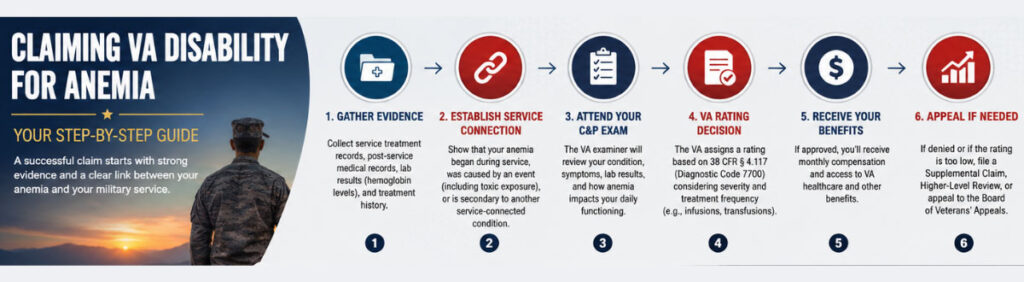
The va disability rating for anemia is generally based on the level of hemoglobin in your blood and treatment frequency. For many types of deficiency anemia, a 100% disability rating is reserved for those who require a bone marrow transplant or continuous infusions. If your condition requires intravenous iron or blood transfusions four or more times per year, you may qualify for a 60% rating. The VA carefully monitors these treatments to ensure the va disability rating reflects the veteran’s actual medical need and functional loss. These high-level ratings acknowledge that the veteran is likely unable to maintain substantial gainful employment due to their health.
A 30% disability rating is often assigned to veterans who require iron infusions or other treatments one to three times per year. For those with milder cases of iron deficiency anemia, a 10% rating may be given if the condition is controlled by medication. The VA also considers the impact of the red blood cell deficiency on the veteran’s overall health, including symptoms like lightheadedness. Shortness of breath and the inability to perform manual labor are also key factors that examiners look for during the evaluation. Even a 10% rating is valuable, as it provides access to VA healthcare and a baseline for future increases.
It is important to note that some conditions, like sickle cell anemia, have their own specific rating criteria based on crisis frequency. For sickle cell, the va disability rating is based on the number of painful episodes requiring medical intervention over a twelve month period. A veteran experiencing more than three such episodes in a year might receive a higher va disability rating than someone with fewer. Understanding these evaluation levels is essential for anyone filing a va claim for blood-related disability benefits and seeking fair compensation. Knowing the thresholds for each percentage level allows you to better prepare your medical evidence for the VA’s review.
The Role of the C&P Exam in Your Anemia VA Rating
The Compensation and Pension (C&P) exam is a pivotal moment in the journey toward securing a fair anemia va rating. During this exam, a VA-contracted physician will review your medical history and perform a physical examination to assess your current health. They will specifically look for signs of fatigue, pallor, and any physical limitations caused by your red blood cell deficiency. It is vital to be honest and thorough about your symptoms, even those that may seem minor or intermittent. The examiner’s report will heavily influence the final decision made by the VA rating specialist regarding your claim.
You should prepare for the C&P exam by reviewing your own medical records and being ready to discuss your treatment history. If you have had frequent blood tests showing low hemoglobin, make sure the examiner is aware of these consistent clinical findings. They may order new blood work to get a current snapshot of your red blood cell and hemoglobin levels. Be sure to describe how the anemia affects your daily life, such as your ability to exercise or perform household chores. The goal is to provide the examiner with a complete picture of your functional impairment and medical necessity.
If the C&P examiner’s report is unfavorable or contains inaccuracies, you have the right to challenge the findings with additional evidence. You can submit a statement in support of your claim or provide a private medical opinion to counter the examiner’s conclusions. Sometimes, examiners may overlook the frequency of your treatments or the severity of your symptoms during the brief examination period. Ensuring that the examiner has access to your full treatment history over the past twelve months is crucial for accuracy. A well-documented C&P exam is often the difference between a successful claim and a denial of benefits.
How to File a Successful VA Disability Rating Claim
Filing a va claim for anemia requires a systematic approach to gathering evidence and submitting the correct forms. First, you must have a formal diagnosis of a specific condition, such as iron deficiency anemia, pernicious anemia, or aplastic anemia. Without a clear diagnosis from a medical professional, your va disability claim will likely be denied before it is even fully reviewed. Once you have a diagnosis, you need to gather medical records that show your red blood cell counts over a consistent period. This demonstrates the chronic nature of the condition and its impact on your overall health and well-being.
Next, you should provide evidence of the treatment you have received, including medications, infusions, and any specialized procedures or surgeries. If you have undergone intravenous iron infusions or a marrow transplant, ensure these are documented in your va disability application clearly. The VA needs to see the frequency of these treatments over a twelve month period to assign the correct disability rating. Including a statement about how the deficiency anemia affects your ability to work—specifically if it prevents manual labor—can also strengthen your claim. Personal statements from family members or coworkers can also provide valuable context regarding your daily struggles with fatigue.
Finally, consider obtaining a Nexus letter from a medical expert who understands the complexities of service-connected blood disorders and VA law. This letter should explicitly state that your iron deficiency or other blood cell condition is “at least as likely as not” caused by service. Whether you are claiming acquired hemolytic anemia or sickle cell, a strong Nexus letter can be the deciding factor in your rating. Be sure to use the correct diagnostic code for your specific type of cell anemia to avoid administrative delays. A complete and well-organized claim package is much more likely to result in a favorable decision from the VA.
Secondary Service Connection: When Anemia Leads to Other Issues
Anemia rarely exists in a vacuum and can often lead to or exacerbate other serious health conditions for many aging veterans. When anemia causes another medical issue, that new condition can be service-connected on a secondary basis for additional disability compensation. For instance, chronic anemia can put significant strain on the heart, leading to secondary cardiovascular issues like heart failure or arrhythmias. If you can prove that your service-connected anemia caused your heart condition, you may receive a higher combined va disability rating. This recognition of secondary conditions is vital for veterans with complex, multi-system health challenges that impact their lives.
Another common secondary condition related to anemia is cognitive impairment or “brain fog,” which results from decreased oxygen delivery to the brain. Veterans may also experience secondary depression or anxiety as they struggle to cope with the chronic fatigue and limitations of their blood disorder. If these mental health conditions are linked to the physical toll of anemia, they can be included in the claim. Additionally, the treatments for anemia, such as long-term medication use, can sometimes cause secondary gastrointestinal issues or other side effects. Documenting these connections with medical evidence is essential for maximizing the benefits you are entitled to receive from the VA.
To succeed with a secondary service connection claim, you will need a medical professional to provide a nexus between the conditions. They must explain the physiological process by which your anemia caused or aggravated the secondary condition in a clear medical opinion. For example, a hematologist might explain how chronic low hemoglobin levels led to the development of a specific secondary respiratory issue. Providing this level of detail helps the VA adjudicator understand the full scope of your disability and its impact. Secondary conditions can significantly increase your overall disability percentage and the monthly compensation you receive for your service.
Documenting Your Medical History for a VA Claim
Thorough documentation is the backbone of any successful anemia va rating and should be maintained with great care and precision. You should maintain a personal log of your symptoms, including any painful episodes associated with sickle cell anemia or extreme fatigue. Note how these symptoms interfere with your daily activities, employment, and social interactions over a long period of time. If you have been diagnosed with folic acid deficiency or pernicious anemia, keep track of your supplement regimen and any side effects. This personal record can serve as powerful lay evidence to supplement your formal clinical medical records during the review.
Your medical records should include all blood tests showing red blood cell and hemoglobin levels over a multi-month period for consistency. If you have a condition like aplastic anemia, records of your bone marrow biopsy and any subsequent bone marrow transplant are vital. The VA will also look for evidence of immunosuppressive therapy or continuous intravenous treatments that you have received for your condition. Providing a clear timeline of your medical history helps the examiner understand the progression of your deficiency anemia and its impact. It shows that the condition is a persistent health issue rather than a temporary or minor medical concern.
Don’t forget to include records from private physicians as well as VA doctors to provide a complete picture of your health. If you received treatment for iron deficiency anemia at a private clinic, those records are just as important for your va disability rating. Ensure that all documentation mentions the specific diagnostic code relevant to your condition to help the VA specialist. By presenting a comprehensive medical history that spans a significant month period, you provide the VA with the evidence needed for a rating. This thoroughness demonstrates your commitment to your health and the validity of your claim for disability benefits.
Total Disability based on Individual Unemployability (TDIU) for Anemia
For some veterans, even a moderate anemia va rating does not fully capture the extent to which the condition prevents employment. If your service-connected anemia prevents you from maintaining “substantially gainful employment,” you may qualify for TDIU benefits. TDIU allows the VA to pay you at the 100% disability rate even if your combined rating is lower than 100%. This is particularly relevant for veterans with severe fatigue who cannot perform manual labor or maintain a regular work schedule. It provides a critical safety net for those whose blood disorders have effectively ended their ability to earn a living.
To qualify for TDIU, you generally need to have one service-connected disability rated at 60% or higher, or a combined rating. If your anemia is rated at 60% due to the need for frequent infusions, you meet the first requirement for TDIU. You must then provide evidence, such as vocational expert reports or employer statements, showing that your anemia prevents you from working. The VA will look at your education, work history, and the specific physical requirements of your previous jobs to make a determination. TDIU can be a life-changing benefit for veterans struggling with the profound exhaustion caused by chronic red blood cell deficiency.
When applying for TDIU, it is helpful to emphasize the unpredictable nature of anemia symptoms, such as sudden crises or extreme fatigue. If you have to miss work frequently for medical appointments or because you are too weak to function, document these instances. Employers can provide statements regarding your attendance and performance issues related to your health condition to support your claim. The goal is to show that no employer could reasonably accommodate your medical needs in a competitive work environment. TDIU acknowledges the total economic impact of your service-connected anemia, providing the highest level of financial support available through the VA.
Handling the Appeals Process for Anemia VA Rating
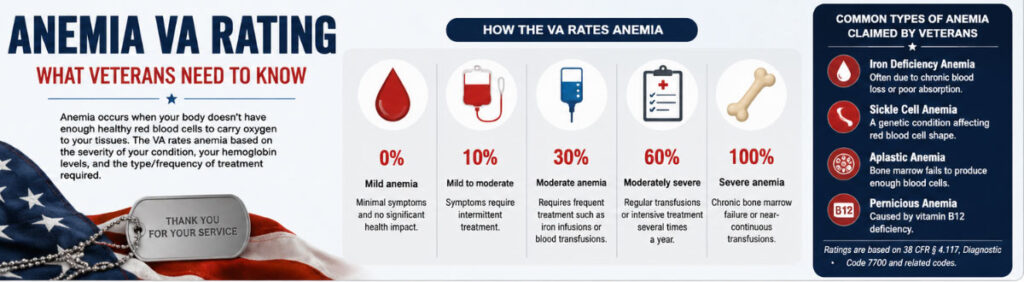
If your initial va claim for anemia is denied or if you receive a lower va disability rating than expected, do not lose hope. The appeals process is a standard part of seeking va disability benefits and is designed to correct errors in the initial decision. You can request a Higher-Level Review, where a more senior adjudicator looks at your existing evidence to find any mistakes. Alternatively, you can file a Supplemental Claim if you have new evidence, such as recent blood tests showing a further decline. This flexibility allows you to continue fighting for the rating that accurately reflects your current medical reality and needs.
During an appeal, it is often helpful to highlight specific details that may have been overlooked by the initial rating specialist. For instance, if the initial examiner didn’t account for the frequency of your iron infusions over a twelve month period, emphasize this. If your iron deficiency anemia has worsened to the point where you can no longer perform manual labor, provide an updated assessment. The goal is to ensure the VA has a complete and accurate picture of your red blood health and functional limitations. Persistence and attention to detail are often the keys to a successful appeal in the VA disability system.
Many veterans find success by working with a Veterans Service Officer (VSO) or an attorney who specializes in va disability claims. These professionals can help you navigate the complexities of the diagnostic code system and ensure that your appeal is legally sound. They can help you gather the necessary medical literature to support your claim for a higher va rate based on your symptoms. Whether you are dealing with sickle cell anemia or a rare form of deficiency anemia, professional guidance can be invaluable. Don’t let the complexity of the appeals process deter you from seeking the full benefits you earned through your service.
Conclusion: Maximizing Your VA Disability Benefits

Maximizing your VA disability benefits for anemia requires a proactive and informed approach to both your healthcare and your VA claim. By staying informed about how the VA evaluates your condition, reviewing your treatment records, and understanding how symptoms affect your daily life, you can better advocate for yourself. Whether your anemia is tied to iron deficiency, aplastic anemia, or sickle cell disease, it is important to show how this medical condition impacts your health and functioning. Symptoms such as chest pain, irregular heartbeat, cold hands, and residual symptoms may all support the severity of your anemia condition, especially when they interfere with everyday tasks. Veterans seeking to receive VA disability compensation should also be aware that additional complications, including peripheral neuropathy, may strengthen the case for a higher rating when properly documented.
In conclusion, an anemia VA rating is not just about a number — it is about making sure disabled veterans receive the support they have earned. From documenting your symptoms to showing functional impairment including peripheral neuropathy, strong evidence can make a real difference in your claim outcome. If you want to receive VA compensation that truly reflects your condition, make sure your records clearly show the full impact of anemia on your health, your work, and your quality of life. By understanding the rating criteria, organizing thorough medical evidence, and presenting complete documentation, you can pursue the VA disability benefits you deserve with greater confidence.