


Foot pain is a widespread problem for veterans after finishing their military service, often leading them to ask: are heel spurs covered under va disability? The constant marching, running, and carrying heavy gear take a massive toll on your feet, frequently resulting in chronic service-connected disabilities. You might wonder if you can receive financial compensation for that sharp, stabbing pain in your heel.
A heel spur can make standing or walking incredibly difficult on a daily basis. Many former service members want to know if a bone spur qualifies for benefits. Yes, a heel spur is completely covered under va disability if you can prove it relates to your time in uniform.
Getting approval for these benefits requires clear medical evidence and a thorough understanding of complex veterans law. This process often involves documenting how your military service directly impacted your long-term foot health and mobility. Navigating these requirements successfully ensures you receive the monthly financial support you rightfully earned during your time in service.

A bone spur typically develops as a hard calcium deposit on your skeleton after prolonged periods of physical stress. When this bony growth appears on the bottom of your foot, doctors specifically call it a heel spur. Veterans often develop a bone spur after years of wearing unsupportive combat boots during their active duty service.
The constant impact and friction cause a bone spur to form gradually over many months of intense physical activity. You might not even notice a bone spur until it begins causing severe pain that interferes with your daily routine. This sharp pain from a heel spur makes physical activity incredibly difficult for most individuals.
These bone spurs frequently develop alongside a painful condition known as plantar fasciitis, which involves heavy inflammation of foot tissue. When this inflamed tissue pulls repeatedly on the heel bone, a bone spur eventually forms as a secondary reaction. Therefore, a heel spur rarely happens in isolation without other underlying foot issues being present.
Having a single bone spur is painful enough for anyone to manage during their post-service life. However, developing bone spurs on both feet creates a miserable daily experience that requires significant medical intervention. A bone spur causes chronic pain that severely limits your mobility and impacts your ability to work.
Treating a bone spur often requires custom orthotics, physical therapy, or even invasive surgery to restore proper foot function. Furthermore, a diagnosis of pes planus often requires specific orthotic interventions to manage the resulting discomfort. The government recognizes that a bone spur can represent a legitimate service-connected disability that warrants monthly financial compensation.
Key Takeaways
- A bone spur is a painful calcium deposit that often forms on the heel.
- These growths frequently accompany plantar fasciitis due to tissue strain.
- You can receive va disability benefits for this condition if linked to service.
Establishing Service Connection: Are Heel Spurs Covered Under VA Disability?
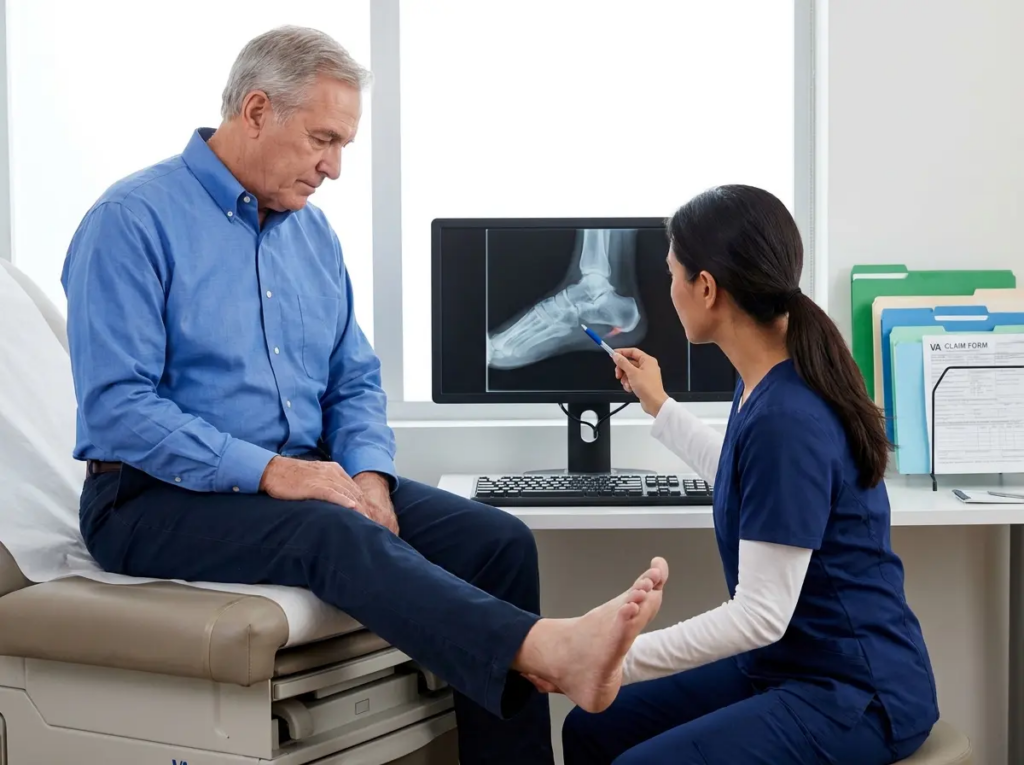
To win your va claim, you must firmly establish a service connection for your specific foot injury. Direct service connection means your military duties directly caused the bone spur to develop over time. You need a current diagnosis of a heel spur from a qualified doctor and medical evidence showing an in-service event that sparked the problem.
Finally, you must provide a medical nexus letter linking your current bone spur to that specific in-service event. Many veterans struggle to prove direct service connection for a bone spur because they develop so slowly, meaning you might not have complained about foot pain while on active duty. If you lack medical records from your service time, you can use lay statements from fellow service members.
These buddy letters can confirm that you suffered from foot conditions during training or combat operations. Every piece of evidence helps strengthen your overall va claim and increases your chances of a favorable outcome. Alternatively, you can pursue secondary service connection for your heel spur if another condition caused it through altered mechanics.
For example, if you have a service-connected rating for flat feet, that altered walking gait could cause a bone spur. Secondary service connection is often the easiest path to getting bone spurs va approved by the regional office. You simply need your doctor to explain how the primary injury caused the new bone spur to form, which is vital for connecting the conditions.
Pro Tip: Always ask your podiatrist to write a detailed nexus letter. A strong nexus letter is the absolute best way to link your bone spur to your military service.
How Does the VA Rate Bone Spurs and Foot Pain?
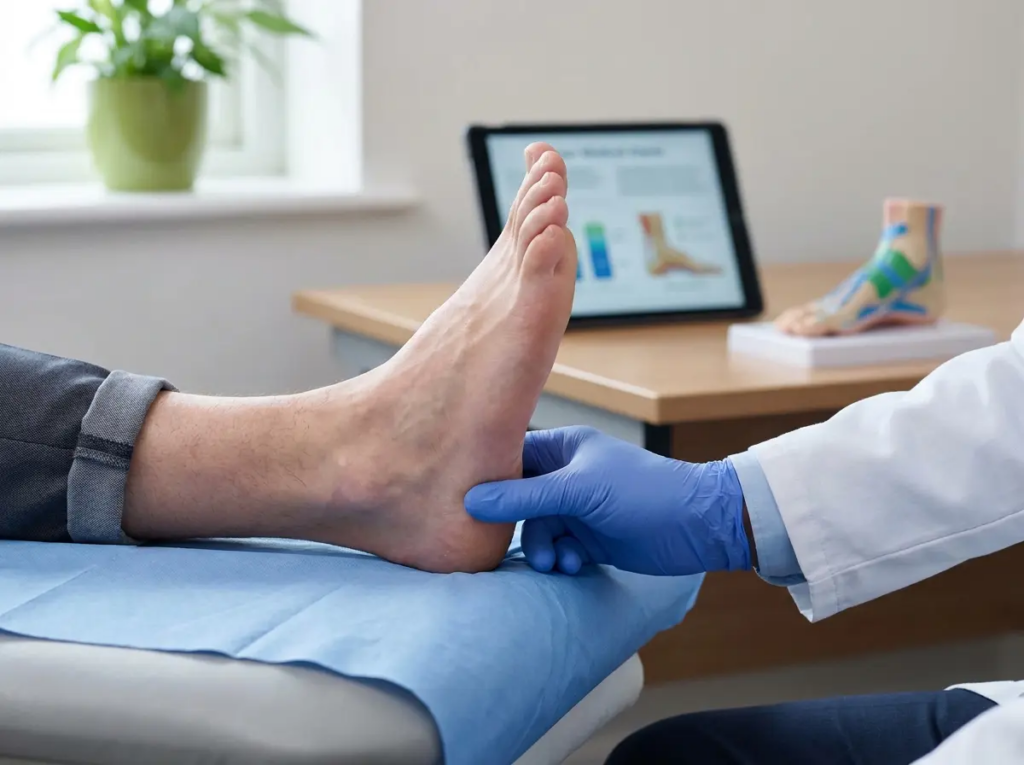
You might wonder how exactly the va rate bone spurs during a mandatory medical exam. The government uses a highly specific rating schedule to evaluate all disabilities across the entire veteran population. Every recognized medical issue receives a specific diagnostic code in this comprehensive manual for evaluators.
Because of this, the process to rate bone spurs requires analogous ratings based on related foot conditions. When there is no specific diagnostic code, evaluators look for the closest match to your symptoms. To accurately rate bone, the examiner evaluates your overall foot function and pain levels during movement, as the va rate bone issues primarily based on mobility.
The va rate bone issues primarily based on how much the injury limits your daily mobility. Clinical evidence often shows that plantar fasciitis contributes significantly to the functional loss observed during these examinations. Your final disability rating depends entirely on the severity of your symptoms and functional limitations.
Learning how the va rate bone spurs helps you prepare for your medical exams and discussions. The rating criteria focus heavily on functional loss and pain on motion, with higher ratings going to veterans who can barely walk or stand. A higher disability rating goes to veterans who can barely walk or stand for long periods.
The va rate for a minor bone spur might be as low as zero percent in some cases. However, severe bone spurs with extreme pain can result in a much higher rating for the veteran. The va rates vary significantly depending on which specific diagnostic code they ultimately apply, making these nuances essential for any veteran seeking compensation.
Diagnostic Code Options for Bone Spurs and Morton’s Disease

Since a heel spur lacks a dedicated entry, evaluators use alternative codes to determine your rating. They often use the diagnostic code for plantar fasciitis, which is Code 5269 under 38 CFR. If your bone spur accompanies flat feet, they might use the diagnostic code for pes planus.
Another option is the diagnostic code for claw foot or even morton’s disease depending on your symptoms. The assigned diagnostic code determines the maximum possible va rating you can receive for your foot condition. Your doctor must match your symptoms to an appropriate diagnostic code accurately to ensure fair compensation, as a poorly chosen code can result in a lower payout.
Review your decision letter carefully to verify which diagnostic code the evaluator selected for your specific case. If they chose an inaccurate diagnostic code, you have the right to appeal the decision through the proper channels with the help of a specialized veterans disability lawyer. The va disability rating for foot injuries generally ranges from zero to thirty percent based on severity.
A zero percent disability rating means the condition is service-connected but not currently disabling to the veteran. A ten percent disability rating indicates mild pain that requires some treatment or lifestyle adjustments. A twenty or thirty percent disability rating represents severe pain that drastically limits your ability to work.
Bilateral Heel Spurs and Higher Ratings
Having a bone spur on one foot is terrible, but having bone spurs on both feet is devastating. The government recognizes that bilateral heel spurs cause significantly more functional impairment than a single-sided injury. If you have bilateral heel spurs, you qualify for the bilateral factor in your va rating calculation.
This rule exists because bilateral heel issues make basic balance and walking extremely difficult for the veteran. When you file a claim for bilateral heel spurs, the evaluator assesses each foot separately during the exam. They will assign a disability rating to each heel individually before applying the bilateral factor calculation to increase your final compensation amount.
A bilateral heel condition severely impacts your ability to perform manual labor or stand for long shifts. Make sure your doctor clearly documents the severity of your bilateral heel spurs in your medical records. The altered walking gait from bilateral heel spurs can even cause secondary problems like knee, hip, or chronic back pain.
You can file claims for these secondary issues to increase your overall disability ratings and benefits. This strategy is a common practice in veterans law to maximize benefits for those with multiple injuries. Documenting every related ache and pain is crucial, as linking secondary conditions to your primary injury is the key to a higher rating.
Warning: Never exaggerate your symptoms during a medical exam, but do not hide your pain either. Describe your bone spur pain based on your absolute worst days, not your best days.
How to File a VA Claim for a Heel Spur
Filing a va claim for a bone spur requires organization and patience throughout the entire legal process. You must gather comprehensive medical records that clearly document your heel spur diagnosis and any related treatments. The process involves submitting a specific va form detailing your injuries and how they occurred.
Steps to File Your Disability Claim:

- Get an Official Diagnosis
Visit a podiatrist or general practitioner to get an official diagnosis of your heel spur. You must have X-rays or MRI results proving the bone spur exists.
Tip: Ask your doctor to specifically note if the bone spur affects your achilles tendon.
- Obtain a Nexus Letter
Request a nexus letter from your doctor linking your bone spurs to your military service. This letter must state that it is “as likely as not” that your service caused the bone spur.
- Submit VA Form 21-526EZ
Complete the application for disability compensation and submit all your collected evidence online or by mail.
Attending Your C&P Exam

After you submit your paperwork, the government will schedule a C&P exam for your condition. The examiner will evaluate your bone spurs and document your range of motion during the appointment. Be completely honest about how the bone spur impacts your daily life and your ability to maintain employment during any physical activity.
The notes from this exam directly influence your final va disability rating and monthly compensation. Sometimes, the examiner might downplay the severity of your bone spurs during their brief evaluation, but you can always appeal if your rating comes back lower than expected. Many veterans successfully increase their va disability rating by submitting additional medical evidence at a later date.
You can request a higher rating if your heel spur worsens over time after your initial claim. Managing va claims requires persistence, especially for complex joint and foot conditions that change over years. If your bone spurs become so severe that you cannot work, you might qualify for total disability based on individual unemployability (TDIU) for your foot issues.
This allows you to receive compensation at the 100 percent rate even if your combined rating is lower. Proving that a bone spur prevents you from maintaining gainful employment is challenging but certainly possible with the help of a TDIU lawyer. Proper legal guidance often makes the difference in complex unemployability cases.
Key Takeaways
- There is no single diagnostic code for a heel spur, so analogous codes are used.
- Bilateral heel spurs qualify for an extra rating boost due to severe impairment.
- A strong nexus letter is critical for proving your bone spur is service-connected.
Getting the Compensation You Deserve

Living with a bone spur is incredibly painful, but you do not have to suffer without support. The government clearly covers a heel spur under va disability if you meet the specific service requirements. Whether you have a single bone spur or suffer from bilateral heel spurs, you must gather your medical records and actively pursue your claim.
Do not let the lack of a specific diagnostic code discourage you from applying for benefits. Remember that bone spurs rarely occur alone, so evaluate your feet for other related medical issues. Conditions like plantar fasciitis and flat feet frequently accompany a painful heel spur, even if the rating rules seem confusing at first glance.
However, understanding the rating criteria gives you a massive advantage during the complex claims process. You earned these va disability benefits during your military service, so take the time to claim them. If you face a denial for your bone spurs, consider reaching out for professional legal assistance from organizations that specialize in helping veterans appeal unfavorable rating decisions.
They understand exactly how to navigate the system and fight for a fair diagnostic code for you. Your bone spur is a real, disabling condition that deserves proper recognition from the government. Start gathering your evidence today to build a winning va claim for your heel spur, as persistence is often the key to securing your earned benefits.