


Veterans can face many health challenges after military service. Blood disorders may also go unnoticed during routine medical screenings. You may feel exhausted, short of breath, or physically weak without knowing the cause. If a qualified medical provider diagnoses a chronic blood condition, you may be eligible to pursue VA disability compensation. This guide explains how the VA rates anemia and what criteria may affect your disability rating. It also covers key evidence that can help support your claim.
The Department of Veterans Affairs evaluates anemia and other blood disorders using specific rating criteria. Your rating may depend on the severity of your condition, symptoms, treatment needs, and medical evidence. Understanding these guidelines can help you prepare a stronger claim. Low red blood cell levels can reduce the amount of oxygen delivered throughout the body. This may affect the heart, brain, muscles, and overall energy levels. In severe cases, anemia can also limit daily activities and physical functioning.

Are you keeping track of your medical treatments and laboratory results? The VA uses a rating schedule to evaluate symptoms and required treatments. Different types of anemia may have different evaluation criteria. These can include iron-deficiency anemia, sickle cell disease, and other chronic blood disorders. Documenting how often symptoms occur can help show the severity of your condition. Strong medical records can also help the VA understand how anemia affects your daily life and functioning.
Table of Contents
- Evaluating Common Types: Sickle Cell and Pernicious Anemia
- Decoding the Anemia VA Rating Description and Criteria
- How Does the VA Rate Anemia? Disability Criteria Explained for Aplastic Anemia
- Secondary Service Connection and Related Health Issues
- Navigating the C&P Exam for Blood Disorders
- Maximizing Your Compensation Claim Success
- The Impact of Blood Disorders on Daily Life and Manual Labor
- Long-Term Management and VA Benefits
Anemia occurs when your body lacks enough healthy red blood cells to carry oxygen to your tissues. As a result, your heart may work harder to circulate oxygen-rich blood. This extra strain can contribute to fatigue, dizziness, and shortness of breath. These symptoms may appear even during simple daily activities. In some cases, anemia begins in the bone marrow. This tissue is responsible for producing the blood cells your body needs.
Veterans seeking direct service connection must show that military service caused or worsened the condition. This usually requires a current diagnosis, an in-service event or exposure, and a medical nexus. A well-supported nexus opinion can help connect the current condition to military service. Toxic exposures may also be relevant in some claims. Examples can include Agent Orange or burn pit exposure, depending on the veteran’s circumstances and medical evidence.
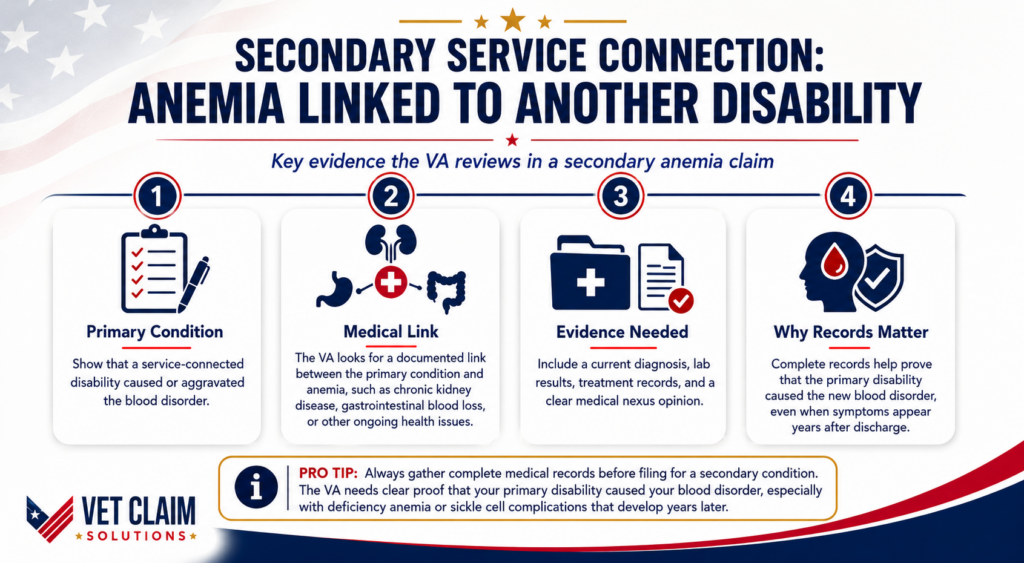
Some veterans may develop anemia secondary to another service-connected condition. Chronic kidney disease, for example, can reduce the body’s production of erythropoietin. This hormone helps stimulate red blood cell production. Gastrointestinal conditions may also cause ongoing blood loss and contribute to anemia. Severe injuries can sometimes lead to similar complications. Persistent anemia may cause fatigue and make physical activities more difficult.
Establishing a secondary service connection provides a highly viable path to receiving your rightful disability benefits for blood-related issues. Medical records should clearly document the relationship between the two conditions. Consistent laboratory results may also help establish that the anemia is chronic rather than temporary. The VA may review blood tests, treatment history, and medical opinions when evaluating the claim. Strong documentation can help show both the severity and the cause of the condition.
Evaluating Common Types: Sickle Cell, Pernicious Anemia, and VA Disability
The VA uses the Schedule for Rating Disabilities in 38 CFR Part 4 to evaluate blood disorders. Each condition is assigned a diagnostic code based on the specific diagnosis. The VA also considers the symptoms and clinical findings documented in your medical records. Different types of anemia can affect veterans in different ways. Conditions such as sickle cell anemia and pernicious anemia may have their own rating criteria.
The severity of your symptoms can influence your VA disability rating. The VA may also consider how often your condition requires medical treatment. This can include treatments such as blood transfusions, medications, or other ongoing care. Evaluators review your medical records to determine how the condition affects your health and daily functioning. Each diagnosis has specific requirements under the VA rating schedule. Understanding these criteria can help you identify the medical evidence needed to support your claim.
Iron Deficiency Anemia (Diagnostic Code 7720)
Doctors diagnose iron deficiency anemia when the body lacks enough iron to produce hemoglobin. Hemoglobin is the protein that carries oxygen throughout the body. Iron deficiency anemia can develop for many reasons, including certain chronic health conditions. The VA evaluates this condition under Diagnostic Code 7720. The rating depends largely on the type and frequency of treatment required.
The VA considers whether oral supplements or intravenous iron infusions are needed to manage the condition. A non compensable rating may apply when treatment is less intensive. A higher rating may apply when intravenous iron infusions are medically required. The frequency of these treatments can also affect the final evaluation.
A 30 percent rating may apply when iron infusions are required four or more times within 12 months. This level of treatment can indicate a more persistent or severe condition. Veterans should keep accurate records of every infusion. Treatment dates and medical notes can help document the frequency of care.
A 30 % rating may also apply when regular blood transfusions are required. These treatments must generally occur four or more times within a 12-month period. Medical records should clearly document each transfusion. This evidence helps the VA evaluate the severity of the condition and the need for ongoing treatment.
Complete medical documentation is important when seeking a higher evaluation. Ask your healthcare provider to record every infusion, transfusion, and related treatment. Laboratory results should also show changes in hemoglobin or red blood cell levels over time. Consistent records can help demonstrate that the condition remains active despite ongoing medical care.
Pernicious Anemia and Vitamin B12 Deficiency
Pernicious anemia is a type of deficiency anemia caused by poor Vitamin B12 absorption. It often occurs when the body lacks enough intrinsic factor. This protein helps the digestive system absorb Vitamin B12 properly. Vitamin B12 is essential for healthy red blood cell production. It also supports normal nervous system function. Veterans with pernicious anemia may require lifelong B12 injections or a specialized nasal spray. Without treatment, the condition may lead to peripheral neuropathy. Symptoms can include numbness, tingling, and weakness in the extremities.
When the VA evaluates pernicious anemia, it may also consider related neurological complications. Damage to the nervous system can produce additional symptoms that affect daily functioning. Veterans should report signs of peripheral neuropathy to their healthcare provider. Medical records should clearly document these symptoms and any related treatment. Neurological complications may also be evaluated separately when supported by the medical evidence. Complete documentation can help show the full impact of pernicious anemia on a veteran’s health.
Decoding the Anemia VA Rating Description and Deficiency Anemia Criteria

The anemia va rating schedule is designed to be objective, but it requires precise medical documentation to be applied correctly. For conditions like acquired hemolytic anemia, the VA looks at the destruction of red blood cells rather than just a lack of production. In acquired hemolytic cases, the immune system mistakenly attacks its own blood cells, leading to a rapid and dangerous decline in oxygen-carrying capacity. This condition is often rated under diagnostic code 7723, depending on the frequency of required treatments like immunosuppressants or life-saving transfusions. Below is the anemia VA rating criteria overview for various levels of severity.
For veterans suffering from sickle cell anemia, the rating criteria are even more specific and focused on acute crises. The VA looks for “painful episodes” or crises that require medical intervention and often lead to emergency room visits. If you have sickle cell and experience frequent painful episodes, your disability rating will reflect the frequency of these events over a 12 month period. The “cell anemia” complications can be life-threatening, and the VA acknowledges this by providing higher percentages for those who are hospitalized frequently. The following anemia VA rating description helps clarify how these painful crises translate into a percentage.
How Does the VA Rate Anemia? Disability Criteria Explained for Aplastic Anemia
Aplastic anemia is perhaps the most serious blood disorder evaluated by the VA because it involves the failure of the source. In this condition, the bone marrow stops producing enough new blood cells of all types, leading to pancytopenia. This includes red blood cells, white blood cells, and platelets, leaving the veteran vulnerable to infection and uncontrolled bleeding. Because aplastic anemia represents a total failure of the bone marrow, the disability ratings are often much higher, frequently reaching 100 percent during active treatment phases.
If a veteran requires a bone marrow transplant or marrow transplant, the VA provides a temporary 100 percent rating during the recovery period. This 100 percent disability rating usually continues for six months following the bone marrow transplant, after which the veteran is re-evaluated for residual symptoms. The recovery from a marrow transplant is grueling, and the VA recognizes that the veteran cannot perform any manual labor during this critical time. Even after recovery, the long-term impact on the bone marrow may result in a permanent partial disability that requires ongoing monitoring.
Secondary Service Connection and Related Health Issues
Anemia rarely exists in a vacuum, especially for veterans who have been exposed to harsh environments or sustained significant injuries. Many veterans find that their red blood cell issues are actually secondary to other service-connected conditions like rheumatoid arthritis or chronic infections. These conditions can cause “anemia of chronic disease,” where the body’s inflammatory response interferes with normal blood cell production. When filing your claim, it is essential to consider whether your anemia is a standalone issue or a complication of an existing 10% or 20% rating.
Furthermore, chronic anemia can lead to secondary heart conditions, such as left ventricular hypertrophy or even congestive heart failure. Because the heart must pump faster to compensate for the lack of red blood cells, it eventually becomes enlarged and weakened. If you have a service-connected anemia va rating, you should monitor your cardiovascular health closely. Any heart issues that develop as a result of your blood disorder can be claimed as secondary conditions, potentially increasing your total combined VA disability rating significantly.
Navigating the C&P Exam for Blood Disorders
The Compensation and Pension (C&P) exam is a pivotal moment in your va disability journey, as the examiner’s report carries heavy weight. For anemia, the examiner will focus on your laboratory results, specifically your hemoglobin and hematocrit levels over the past year. They will also ask about the frequency of your symptoms, such as how often you experience dizziness or the need for light manual work restrictions. It is helpful to bring a log of your “painful episodes” or transfusion dates to ensure the examiner has an accurate picture of your condition’s severity.
Be prepared to discuss how the lack of red blood cells affects your ability to work and perform activities of daily living. If you have pernicious anemia, make sure to mention any neurological symptoms like tingling or balance issues, as these are often overlooked. The examiner is looking for functional loss, so be honest about your “bad days” rather than just how you feel at the moment of the exam. A thorough C&P exam that captures the full rating description of your symptoms is the key to getting the percentage you deserve.
Maximizing Your Compensation Claim Success
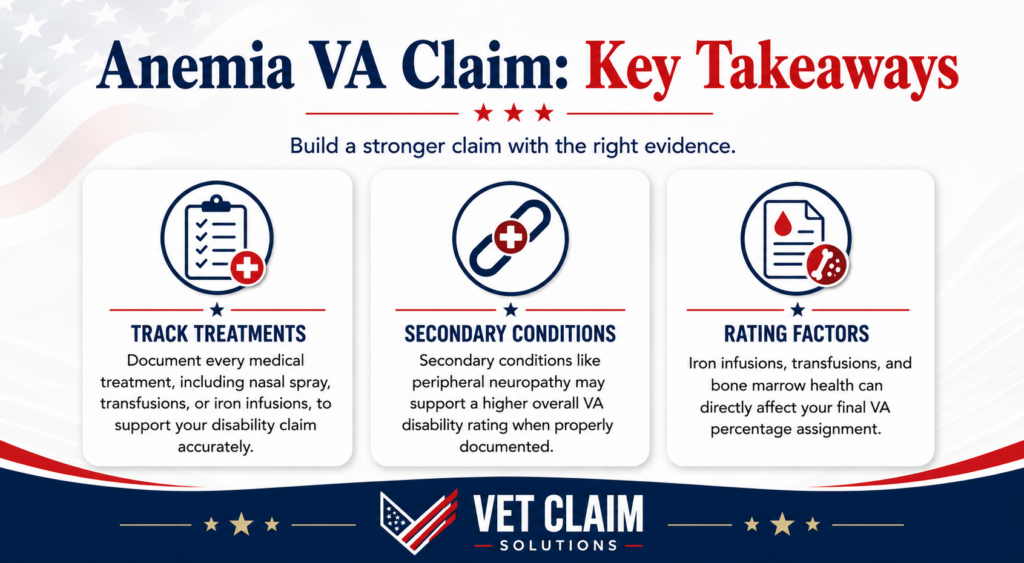
To maximize your VA disability claim, you must provide the VA with a clear picture of how your condition affects your daily life and work capacity. This includes detailed logs of your symptoms, such as the frequency of painful episodes if you have sickle cell anemia. If you are dealing with acquired hemolytic anemia, keep a record of every time you feel jaundiced, excessively weak, or unable to concentrate. These personal accounts, when backed by medical records showing low red blood cells, create a compelling narrative for the rater to follow.
Furthermore, ensure that your doctor is aware of the VA’s specific rating criteria found in the 38 CFR. If your deficiency anemia requires more than four treatments in a 12 month period, that specific number must be highlighted in your medical evidence. The VA raters often look for these specific “keywords” and numbers in your medical files to justify a higher disability rating. If your aplastic anemia has led to a bone marrow transplant, the date of the procedure and the subsequent recovery timeline must be clearly documented to secure the temporary 100% rating.
The Impact of Blood Disorders on Daily Life and Manual Labor
Living with a chronic blood disorder like severe anemia means more than just feeling tired after a long day. It often means you cannot engage in manual labor or even light manual tasks that others take for granted in a professional setting. The lack of red blood cells means your muscles do not get the oxygen they need to perform physical work, leading to rapid burnout. This can lead to a total inability to maintain steady employment, which may qualify you for Total Disability based on Individual Unemployability (TDIU) if your rating is not already at 100 percent.
For those with sickle cell, the unpredictable nature of painful episodes makes it difficult to commit to a regular work schedule or long-term projects. Employers may not be able to accommodate the frequent absences required for emergency treatment or recovery from a crisis. Similarly, the peripheral neuropathy associated with pernicious anemia can make it dangerous to operate machinery or perform tasks requiring fine motor skills. The VA must take these functional limitations into account when determining your final disability ratings and your overall social and industrial adaptation.
Long-Term Management and VA Benefits
Managing a blood disorder is a lifelong commitment that requires constant vigilance and medical oversight. Whether it is regular B12 nasal spray, frequent iron infusions, or monitoring bone marrow function, the medical costs and time commitment are significant for any veteran. The VA disability system is designed to provide a safety net for veterans who have sacrificed their health in service to their country. By understanding how the VA rates deficiency anemia and other conditions, you can ensure you receive the support you deserve for your service.
Remember that your condition may change over time, and the VA system allows for adjustments as your health evolves. If your acquired hemolytic condition worsens or if your red blood cell count continues to drop despite treatment, you can always file for an increased rating. Stay proactive with your healthcare and your VA claim by keeping all your appointments and maintaining a clear paper trail. The journey to a fair disability rating may be long, but with the right evidence and a clear understanding of the anemia va criteria, you can secure your future and manage your health with dignity.