


Millions of veterans manage chronic health issues tied to their service. They frequently encounter a complex web of interconnected medical challenges. Managing a chronic illness takes considerable effort and attention every day. This is especially true when the condition is as systemic as diabetes mellitus. You might be missing secondary conditions linked to Diabetes. If you focus only on your primary diagnosis, you ignore how it affects your entire body. A diabetes diagnosis often acts as a gateway to other medical problems. Over time, this creates a domino effect of complications. If you have a service-connected diabetes diagnosis, you might overlook multiple associated health complications that qualify for additional compensation. Overlooking these connected ailments can cause you to lose essential compensation. You could also miss medical support that federal law rightly provides.
Recognizing every secondary condition connected to your primary diagnosis remains vital for your overall well being and financial security. Filing a complete VA claim requires understanding how these illnesses interact within your body. It also requires knowing how the VA evaluates these relationships. Secure your deserved va disability benefits by identifying every related health challenge early in your medical documentation process. Many veterans do not realize that a VA disability rating can increase. This occurs when secondary service connection is established for related ailments. This comprehensive guide explores the various ways diabetes impacts your health and your potential va disability rating through secondary service connection.
The journey toward a fair disability rating often begins with a single diagnosis, but it rarely ends there for most aging veterans. As the body ages, the long-term effects of high blood sugar can manifest in ways that seem unrelated to the initial metabolic disorder. By educating yourself on the clinical links between diabetes and other organ systems, you can better advocate for your health during medical appointments. This proactive approach ensures that your medical records reflect the full scope of your service-connected disabilities. Understanding the nuances of the VA’s rating schedule is the first step toward maximizing the support available to you and your family.
Diabetes mellitus is a metabolic disorder that affects how your body processes blood glucose, leading to systemic inflammation and vascular damage. For many veterans, diabetes is linked to their military service. It occurs through direct exposure to environmental toxins or specific lifestyle factors. If you served in certain locations, your diabetes mellitus may be considered a presumptive condition under current VA regulations. This means the VA assumes your illness was caused by your service, specifically if you had documented exposure to agent orange. Establishing this initial service connection is the first step toward a VA disability rating for your condition. It also covers any subsequent complications.
A presumptive service connection simplifies the va claim process for many aging veterans who served in Vietnam or other designated areas. If a condition appears on the presumptive list, you do not have to prove a specific event caused the illness. The rule applies to service claims. You must show you served in a qualifying location. You must have a current medical diagnosis from a qualified professional. This is common for those exposed to herbicides during the Vietnam War or those covered under the recent PACT Act for toxic exposures. Once your Diabetes VA connection is set, you can seek a secondary condition that may appear later. It could arise as a result.
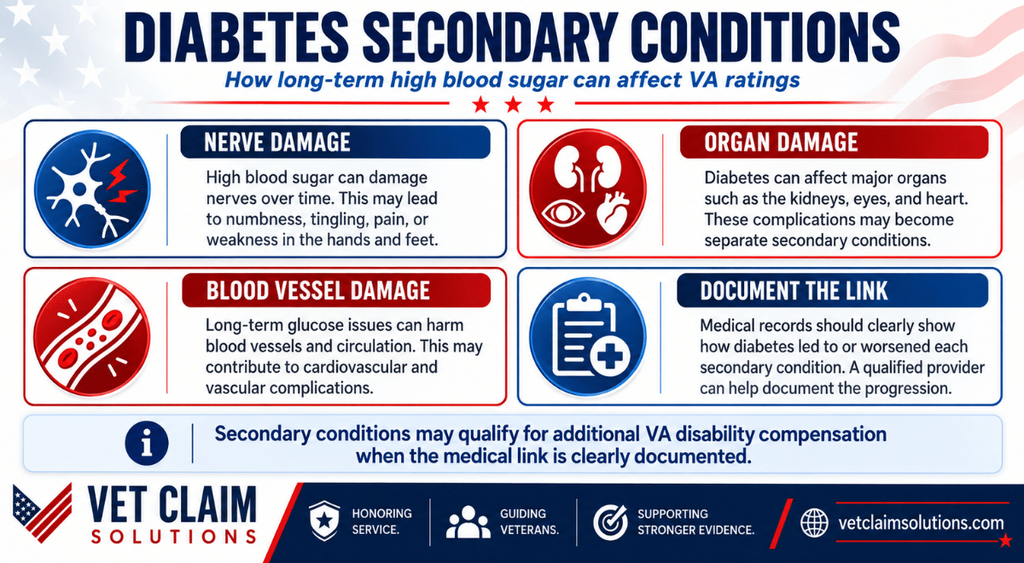
Furthermore, the legal framework for presumptive service connection continues to evolve as new medical research links service environments to metabolic health. Veterans should remain informed about updates to the VA’s list of recognized exposures and the illnesses these exposures can cause. If you were previously denied service connection, new legislation might provide a fresh opportunity to establish your primary diagnosis. After you secure that primary link, you can claim all the secondary conditions that have impacted your life. This holistic view of veteran health is becoming increasingly central to the VA’s modern disability evaluation process.
VA Rating for Cardiovascular Secondary Condition: Coronary Artery Disease and Heart Disease
One of the most common complications of long-term diabetes is damage to the cardiovascular system, which can be life-threatening if left unmanaged. Chronic high blood sugar causes inflammation of blood vessels throughout the body. This inflammation narrows vessels and contributes to atherosclerosis. This sequence can lead to coronary artery disease. It narrows arteries and reduces blood flow to the heart, increasing the chance of a heart attack. Veterans with diabetes are at a much higher risk for developing serious heart disease over time compared to the general population. If you have coronary artery disease, your condition may qualify as a secondary condition for your VA disability rating.
Clinical research documents the link between diabetes and high blood pressure and notes it as a frequent secondary claim. High blood pressure puts extra strain on the heart and can lead to further artery disease and potential heart failure. When diabetes causes or worsens these conditions, you should include them in your comprehensive VA claim. The VA will look at your blood pressure readings and cardiac function tests to determine your appropriate va disability rating. Properly documenting these cardiovascular issues is vital for a successful va disability claim that reflects your true level of impairment.
Heart disease can significantly limit your ability to engage in physical labor, recreational activities, or even simple daily tasks. If your heart condition requires a restricted diet or limits your mobility, the VA should account for these lifestyle restrictions. The va rate for heart-related issues depends on the severity of your symptoms and diagnostic testing results like METs testing. You should ensure your diabetic care provider documents any chest pain, shortness of breath, or persistent fatigue during your regular checkups. These symptoms are key indicators that your coronary artery is not functioning at full capacity due to diabetic complications.
In addition to coronary issues, diabetes is a major risk factor for stroke and peripheral vascular disease, which affects the limbs. A decline in blood flow to the brain or legs can cause severe disabilities and demand significant medical intervention. Medical nexus evidence links each of these vascular issues to the primary diabetes diagnosis. By presenting a clear picture of your cardiovascular health, you ensure the VA understands the full impact of your service-connected illness. This comprehensive approach is necessary to secure the maximum va rating allowed under the law for heart-related secondary conditions.
VA Secondary: Neurological Complications and Your VA Disability Rating

Neurological issues are another frequent secondary condition that veterans often miss during the filing process because the symptoms develop gradually. Diabetic neuropathy occurs when high blood sugar levels damage the delicate nerves in your extremities, leading to permanent sensory loss. This often manifests as peripheral neuropathy, causing numbness, tingling, or sharp pain in the hands and feet that interferes with balance. VA can rate these symptoms as a secondary condition to your diabetes under the appropriate diagnostic codes. You can receive a separate VA disability rating for neuropathy for each affected limb, potentially increasing your total compensation.
Vision loss is another serious concern for veterans living with chronic diabetes mellitus and requires regular monitoring by specialists. High blood sugar damages the blood vessels in the retina, causing hemorrhaging in diabetic retinopathy. This can lead to blurred vision, floaters, or even permanent blindness if not treated promptly by a diabetic care provider. Because this is a direct result of your primary illness, it qualifies for secondary service connection in your disability claim. Your va disability rating will depend on the level of vision impairment documented in your medical records through visual field testing.
The VA uses a specific diagnostic code to evaluate neurological and vision complications, often focusing on the functional loss experienced by the veteran. For example, the VA often rates peripheral neuropathy by the level of sensory or motor loss in the affected nerves. If your neuropathy makes it difficult to walk or perform daily tasks, your va disability rating may increase based on the severity. It is important to describe how these symptoms affect your daily life and recreational activities during your C&P examination. Providing a clear picture of your limitations helps the VA assign an accurate va rate for your neurological disability.
Beyond the extremities, diabetes can also affect the autonomic nervous system, which controls involuntary functions like digestion and heart rate. Autonomic neuropathy can lead to gastroparesis, a condition where the stomach cannot empty itself properly, causing severe digestive distress. Many clinicians overlook this condition, yet veterans with long-standing diabetes may classify it as a valid secondary condition. Documenting these internal neurological issues requires specialized testing and a strong medical nexus letter from your treating physician. By including these complex neurological symptoms, you ensure your va claim covers the full spectrum of your diabetic complications.
VA Rating for Kidney Disease and Other Secondary Conditions for a VA Claim
Kidney disease, also known as diabetic nephropathy, is a common and life-threatening complication of diabetes that requires intensive medical management. The kidneys contain millions of tiny blood vessel clusters that filter waste from your blood, which are highly sensitive to glucose levels. High blood sugar can damage these blood vessels, leading to chronic kidney disease and potentially total kidney failure over time. If your kidney function declines, you should file it as a secondary condition to your diabetes to ensure proper coverage. The VA provides a va disability rating for kidney issues based on laboratory results like creatinine levels and glomerular filtration rate.
Managing kidney disease often requires a very strict restricted diet to prevent further damage and manage the buildup of toxins. This restricted diet can be a significant burden on a veteran’s quality of life and daily routine, often requiring specialized meal preparation. In some cases, diabetes can also cause hypoglycemic reactions that require immediate medical intervention or the assistance of another person. These reactions requiring assistance or specific treatments are important to document. They show the severity of your condition for your VA disability claim. Your care provider should record every instance of high blood sugar or low blood sugar episodes in your official medical records.
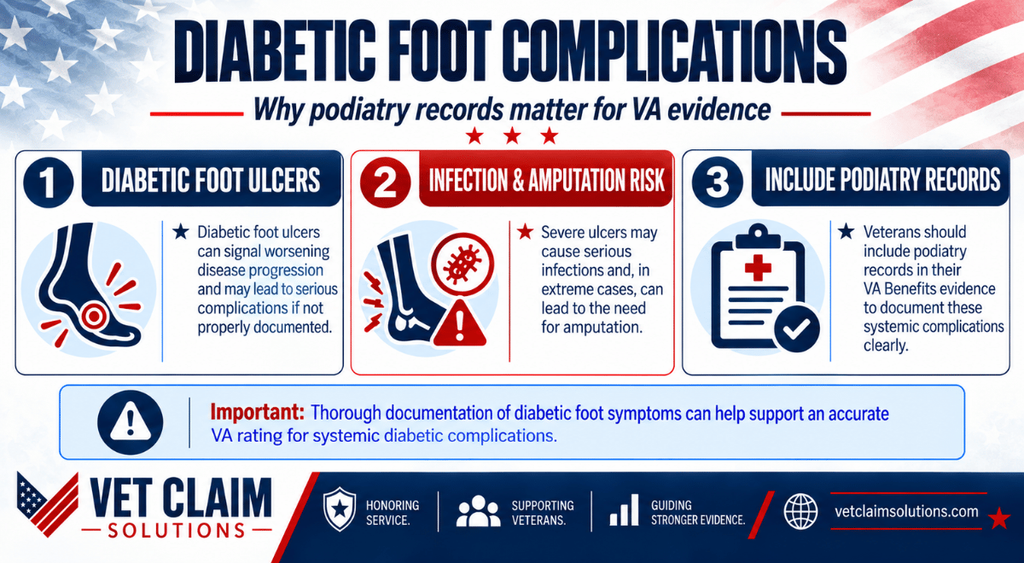
Other systemic issues can also be linked to diabetes as a secondary condition, affecting everything from skin health to sexual function. Skin infections, slow-healing wounds, and even erectile dysfunction are common complications for veterans managing this chronic metabolic disorder. If a medical link is established, each secondary condition adds to your total VA disability rating from the VA. Do not assume a symptom is too minor to include in your va disability claim, as they all contribute to your overall health. Every piece of evidence in your medical records helps build a stronger case for your va rates and long-term support.
You Might Be Missing These Secondary Conditions Linked to Diabetes: Mental Health and Sleep Issues
The psychological toll of managing a chronic, life-altering illness like diabetes is often underestimated by both veterans and the VA. Living with the constant need to monitor blood sugar, administer insulin, and manage diet can lead to significant depression and anxiety. The VA recognizes that mental health conditions can be secondary to physical disabilities, especially those that require constant vigilance and lifestyle changes. If you are struggling with your mental health due to your diabetes, this can be rated as a secondary condition. A higher va rating may be available if your mental health condition impacts your social and industrial adaptation.
Sleep apnea is another condition that is frequently linked to diabetes, often through the intermediary factor of weight gain or obesity. While obesity itself is not a disability, it can serve as an “aggravating factor” that links diabetes to sleep apnea. If your service-connected diabetes has made it difficult to maintain a healthy weight, leading to sleep apnea, you may have a claim. This requires a strong medical nexus explaining how the diabetes contributed to the development or worsening of the sleep disorder. Securing a va disability rating for sleep apnea can significantly impact your total compensation and access to necessary medical equipment.
Chronic pain from neuropathy can also contribute to sleep disturbances and increased stress levels, creating a cycle of declining health. When you cannot sleep due to nerve pain, your body’s ability to regulate glucose is further compromised, worsening the diabetes. This cyclical relationship is a prime example of why secondary conditions are so important to identify and claim. You should discuss these “invisible” symptoms with your doctor so they are documented in your clinical notes for the VA to review. Mental health and sleep issues are just as valid as physical scars when it comes to your va disability rating.
How the VA Determines Your Disability Rating for Secondary Conditions

The process of determining a va disability rating for secondary conditions involves several steps and requires specific medical evidence. First, you must have a service-connected primary condition, such as diabetes mellitus, that is already recognized by the VA. Second, you must provide medical evidence that the secondary condition was caused or aggravated by the primary one. This is where a nexus letter from a medical professional becomes extremely valuable for your va claim by providing a clinical bridge. A nexus letter provides the clinical link needed to establish secondary service connection for your va disability and clarifies the “at least as likely as not” standard.
The VA uses the Schedule for Rating Disabilities to assign a va rate to each condition based on specific criteria. For diabetes, the VA looks at whether you require insulin, a restricted diet, or have frequent hypoglycemic reactions during the year. When you add a secondary condition, the VA uses “VA Math” to combine the ratings rather than simply adding them together. This means your total va disability rating is not a simple sum of each individual percentage, which can be confusing for many. Understanding this system is crucial for managing your expectations regarding your final va disability rating and monthly compensation amount.
To maximize your va disability benefits, you must be thorough in your va disability claim and provide clear, organized medical evidence. Ensure that your medical records are up to date and clearly show the link between your primary and secondary ailments. If you are a veteran who was exposed to agent orange, your path to service connection for diabetes may be clearer under presumptive rules. However, you still need to prove the severity of each secondary condition you claim. This proof comes through diagnostic testing and doctor’s notes. With the right evidence and a clear nexus letter, you can secure the va disability rating you deserve for your service.
In conclusion, you may miss secondary conditions linked to Diabetes if you do not look at your health holistically. Advocate for yourself to ensure early identification and management. From coronary artery disease to peripheral neuropathy and mental health challenges, the impact of diabetes is far-reaching and systemic. Take the time to review your symptoms with a diabetic care provider and document everything in your medical history. Filing for a secondary condition can significantly change your va disability rating and provide better support for your long-term care. Your service to the country entitles you to full compensation for every injury and illness you sustained or developed as a result of your time in uniform.