


Losing a limb is life-altering, especially when caused by a service-connected condition like diabetes. This article provides critical insights into VA disability benefits for limb loss from diabetes mellitus complications. We’ll cover important rating information, service connection details, and secondary conditions to help you get the benefits you deserve.
Understanding Diabetes and Limb Loss
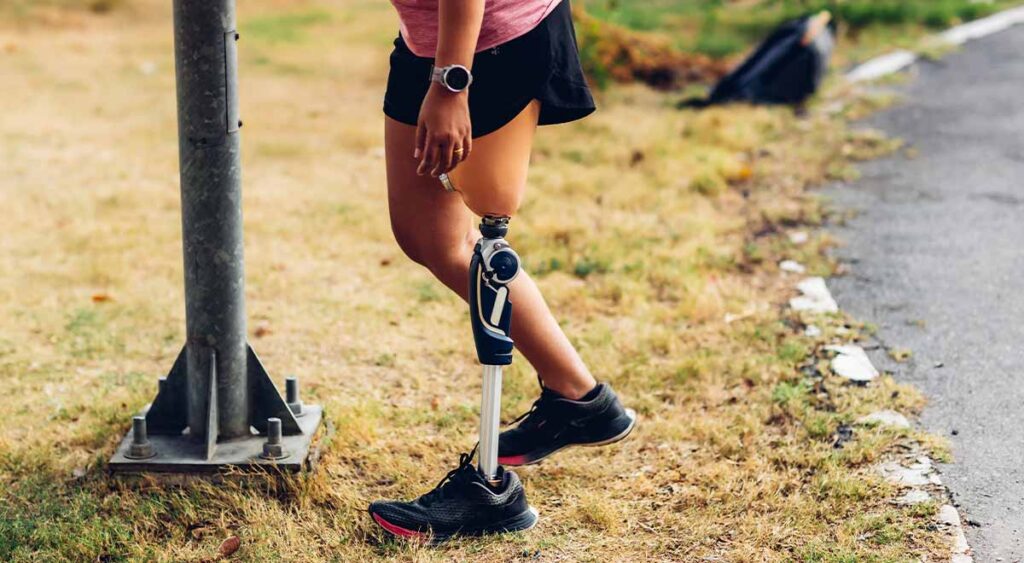
Diabetes mellitus, often called “sugar diabetes,” is a chronic condition that affects how the body uses glucose for energy. When the pancreas does not produce enough insulin or the body cannot use insulin properly, blood sugar levels can rise over time. For many veterans, especially those with type II diabetes, long-term high blood sugar can damage nerves, blood vessels, and circulation.
One of the most serious diabetic complications is diabetic peripheral neuropathy. This condition can cause numbness, tingling, burning pain, weakness, and loss of sensation in the feet, legs, hands, or other extremities. When nerve damage affects the lower or upper extremity, veterans may not notice cuts, sores, ulcers, or infections until they become severe.
Poor circulation and nerve damage can make healing much harder. Even a small wound may become infected, especially when high blood sugar weakens the body’s ability to fight infection. If the infection spreads, becomes resistant to treatment, or causes tissue death, amputation may become medically necessary.
For VA purposes, limb loss connected to diabetes mellitus may support a VA disability claim when medical records show that diabetes, diabetic peripheral neuropathy, poor circulation, or infection directly contributed to the amputation. The VA may review your diagnosis, treatment records, blood sugar history, wound care notes, surgical records, and any related diagnostic code when assigning a disability rating.
Veterans with service-connected type II diabetes may also qualify for additional VA disability benefits if diabetes leads to secondary conditions such as neuropathy, vascular disease, ulcers, or limb loss. Strong medical evidence can help show how diabetes progressed from high blood sugar to nerve damage, infection, and eventual amputation.
VA Disability Benefits for Limb Loss from Diabetes Mellitus Complication
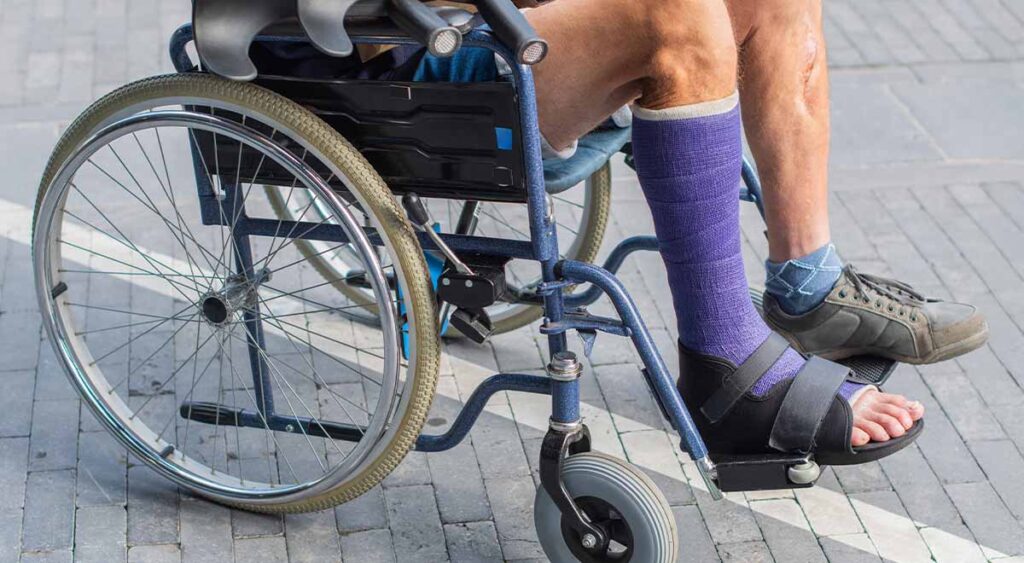
The VA rates limb loss from diabetes mellitus complications based on several factors, including the affected limb, the level of amputation, the severity of the diabetes, and how the condition impacts daily life. Veterans may qualify for VA disability benefits when medical evidence shows that diabetes mellitus, diabetic peripheral neuropathy, poor circulation, infection, or another diabetic complication directly contributed to limb loss.
The VA uses specific diagnostic codes to evaluate amputations and related complications. These codes help determine the assigned disability rating, which may range from 0% to 100% depending on the severity of the condition. For example, the VA may consider whether the amputation involves the foot, leg, hand, arm, lower extremity, or upper extremity, as well as whether the veteran’s dominant arm is affected.
Your medical records and treatment records should clearly explain whether your diabetes is mild, moderate, or severe. Care providers may also document symptoms such as peripheral neuropathy, numbness, weakness, poor wound healing, high blood sugar, ulcers, infections, restricted movement, and functional loss. This evidence helps the VA decide whether a higher rating may be appropriate.
For veterans with service-connected type II diabetes, limb loss may also be claimed as a secondary condition. In these cases, the VA looks for a clear medical link showing that diabetes caused or aggravated the amputation-related condition. Strong medical evidence, surgical records, wound care notes, and provider statements can help support a stronger VA disability claim and improve the chances of receiving the correct VA disability rating.
Service Connection for Limb Loss Due to Diabetes
To receive VA disability benefits for diabetes-related limb loss, veterans must establish service connection. This means showing that your diabetes mellitus, diabetic complications, and amputation are connected to your military service. The connection may be direct, presumptive, or secondary depending on your medical history, service records, and current diagnosis.
Direct Service Connection
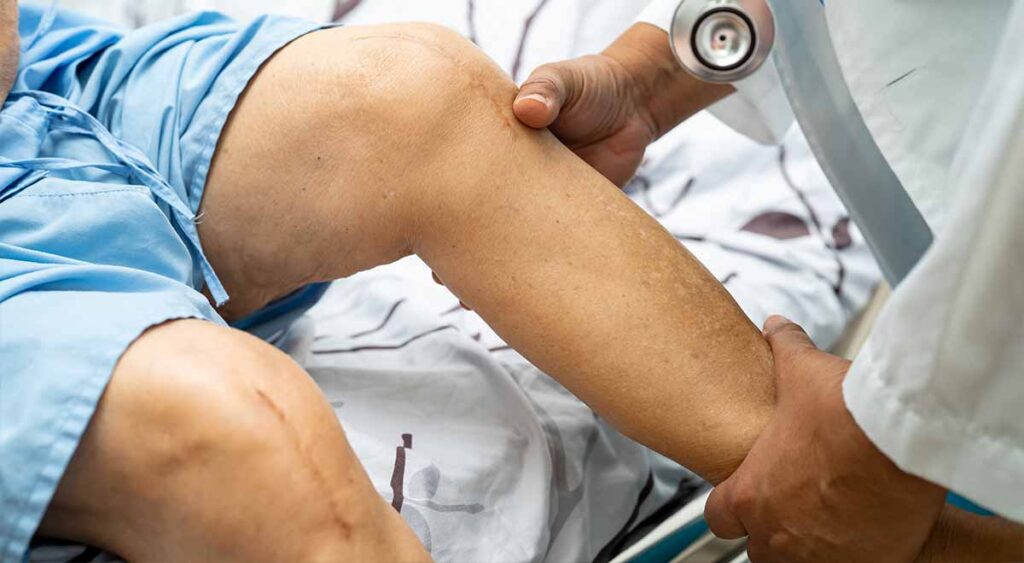
A direct service connection may apply if your diabetes began during active duty or if a pre-existing condition worsened while you served. For example, service treatment records showing repeated high blood sugar, abnormal glucose readings, diabetic symptoms, or early treatment for diabetes may help support your claim.
The VA will review your medical records, treatment records, lab results, and care provider notes to determine when the condition began and how it progressed. Strong documentation can help prove that diabetes started during service and later contributed to limb loss.
Secondary Service Connection
A secondary service connection applies when a service-connected condition causes or worsens another disability. If your service-connected diabetes led to diabetic peripheral neuropathy, poor blood flow, ulcers, infections, tissue damage, or amputation, the limb loss may qualify as secondary to diabetes.
For example, Agent Orange exposure may lead to service-connected type II diabetes for qualifying veterans. If that diabetes later causes a lower extremity amputation, the limb loss may be considered secondarily service-connected. In these cases, veterans need strong medical documentation showing the chain of events from diabetes to complications to amputation.
To strengthen the claim, include surgical records, wound care notes, blood sugar history, neuropathy evaluations, care provider statements, and treatment records showing how diabetes caused or aggravated the limb loss.

VA Disability Ratings for Limb Loss
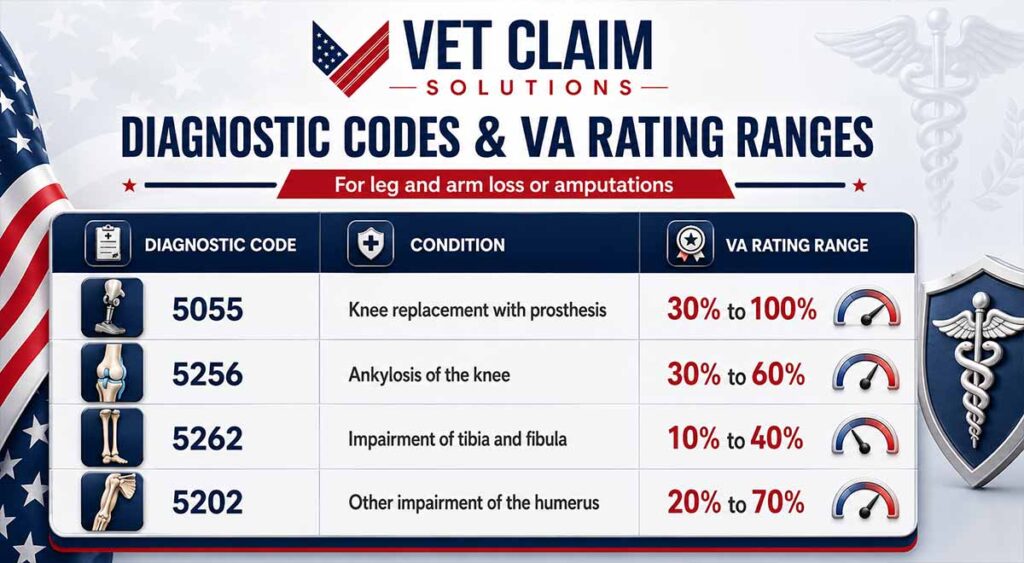
A complete leg amputation above the knee typically receives a 100% rating. A complete arm amputation below the knee has a lower rating. Removing a foot while retaining leg use or using a prosthesis also lowers the rating. Amputation of the entire arm at the shoulder (forequarter amputation) carries a 100% rating. Lower ratings apply depending on the amount of arm amputated.
The Department of Veterans Affairs provides resources on diagnostic codes. Consult their website for current information on VA benefits, including Special Monthly Compensation rates. These are base percentages and can be affected by what’s called a bilateral factor. This means higher ratings apply if both limbs are affected. The VA considers several factors to establish an appropriate percent disabling.
Secondary Conditions Associated with Limb Loss
Amputation often leads to secondary conditions, such as phantom limb pain. Infections and skin breakdown are common at the amputation site, increasing tissue loss risk. These additional complications include autonomic neuropathy and diabetic retinopathy. Some veterans exposed to Agent Orange during the Korean DMZ service developed Type II diabetes. Those who served during those times should definitely speak with their primary care provider. Amputation can cause instability, increasing fall risk and further injuries like broken bones.
Mental health conditions, like depression and anxiety, can also arise. It’s essential to address both the physical and emotional impact of limb loss. Proper medical documentation of all conditions and symptoms is crucial for your claim. Make sure your medical records reflect the severity of your condition and its effects on daily life.
Filing for VA Disability Benefits
Filing a VA disability claim for limb loss requires comprehensive medical records and evidence. Detail how the amputation affects your mobility and daily life. For instance, a veteran’s diabetic peripheral neuropathy in the dominant arm might impact their ability to perform repetitive motions.
Seeking support from professionals can be beneficial. Resources like the SSA Blue Book Guide and the VA benefits website provide additional information. VA treatment records are important and working with your primary care provider can ensure you follow the most restricted diet.

Conclusion
VA disability benefits aim to support veterans experiencing limb loss due to diabetes mellitus complications. Understanding the benefits, ratings, and service connection process is crucial. Thoroughly present evidence supporting your claim for limb loss due to diabetes. Connect both your diabetes and the amputation back to your military service when filing with the Department of Veterans Affairs.
This article aims to provide a comprehensive overview of VA disability benefits for limb loss due to diabetes. It emphasizes the importance of gathering the necessary evidence, understanding the rating system, and addressing secondary conditions. We hope this information helps veterans navigate this complex process and receive the support they deserve.