

Many veterans return from military service with health conditions that affect their daily life, work efficiency, and overall well-being. If you are dealing with pelvic pain, heavy menstrual bleeding, frequent urination, or other severe symptoms, you may be asking: can you get disability for fibroids through the Department of Veterans Affairs? A uterine fibroid is a non-cancerous growth that develops in the uterus and can cause debilitating pain, pressure, bleeding problems, and other health issues that may support a disability benefit.
If your condition began during service, worsened after service, or is connected to another service-connected condition, you may qualify for VA disability compensation and other VA benefits. However, securing disability benefits for uterine fibroids requires more than a diagnosis. You need clear medical evidence, a current diagnosis, treatment records, and a strong connection between your condition and your military service. Taking the right steps early can improve your chances of building a stronger VA disability claim and receiving the rating you deserve.
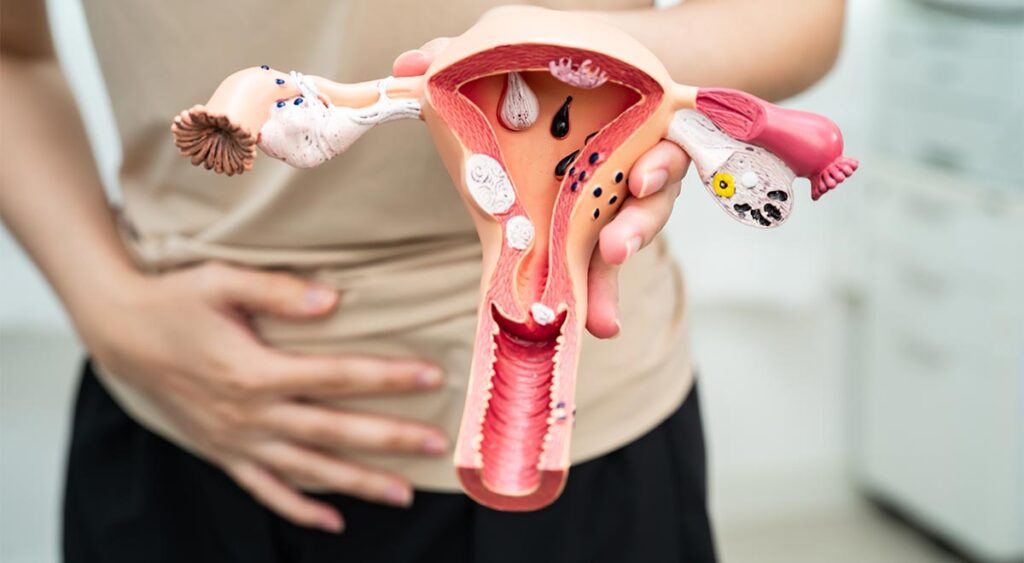
A uterine fibroid is a non-cancerous muscular tumor that grows in or on the wall of the uterus. While some women experience little to no symptoms, others deal with severe pain and complications that disrupt daily life. Common fibroid symptoms include heavy menstrual bleeding, severe pelvic pain, pressure in the lower abdomen, and frequent urination.
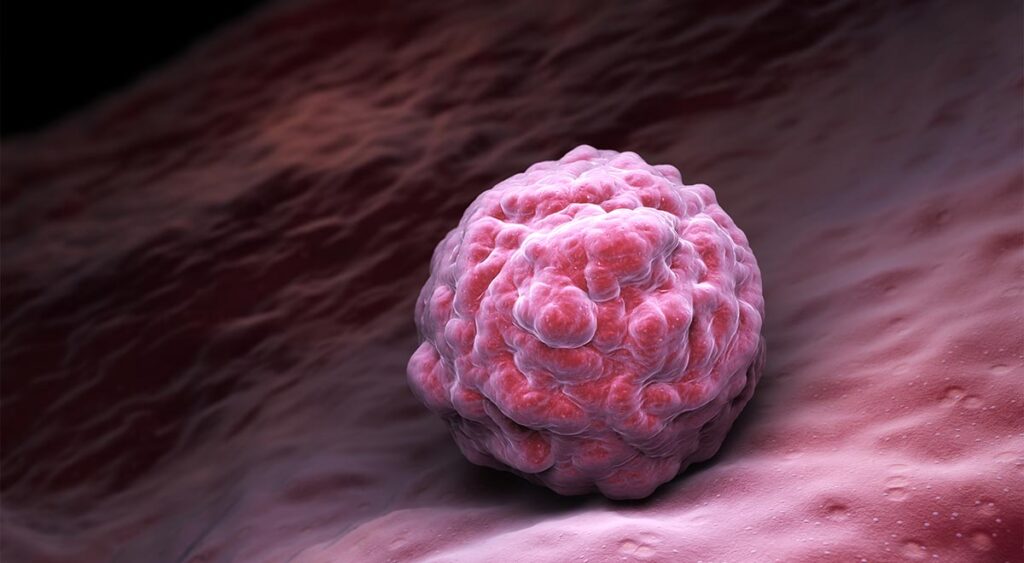
These physical challenges can make it difficult to maintain regular employment, complete daily household tasks, or manage normal routines. A single uterine fibroid can grow large enough to press against the bladder or bowel, causing pressure, discomfort, and urination difficulty. When symptoms become severe or require ongoing care, they may support a claim for a disability benefit.
Medical researchers have identified several risk factors that may increase the likelihood of developing uterine fibroids. Age, family history, hormone changes, lifestyle factors, and certain chronic conditions may all play a role. Statistics also show that Black women face a higher risk of developing uterine fibroids, often at younger ages and with more severe symptoms.
Living with uterine fibroids may also mean dealing with prolonged menstrual bleeding, chronic anemia from blood loss, fatigue, and recurring pain. Multiple fibroids can alter the shape of the uterus and create debilitating pelvic pressure. For veterans, these symptoms may become part of a broader VA disability claim when the condition affects work, daily function, and overall health.
Fibroids can vary in size from tiny seedlings to large growths that significantly affect the uterus and surrounding reproductive organs. The location of the fibroid often determines the type and severity of symptoms. Many women do not realize they have a uterine fibroid until a doctor performs a routine pelvic exam or orders imaging tests, such as an ultrasound or MRI.
Once diagnosed, doctors may recommend monitoring, medication, minimally invasive procedures, or surgery depending on symptom severity. In mild cases, watchful waiting may be appropriate. However, if a fibroid causes heavy bleeding, severe pelvic pain, anemia, or pressure-related symptoms, medical intervention may become necessary.
Untreated uterine fibroids can lead to severe anemia, fatigue, worsening pain, and other serious health issues. This makes timely health care and consistent treatment important. For veterans seeking VA disability benefits, keeping detailed records of doctor visits, imaging results, treatment plans, and symptom history can help support future VA claims and strengthen the evidence behind the condition.
Establishing Service Connection and VA Disability Benefits: Can You Get Disability for Fibroids?
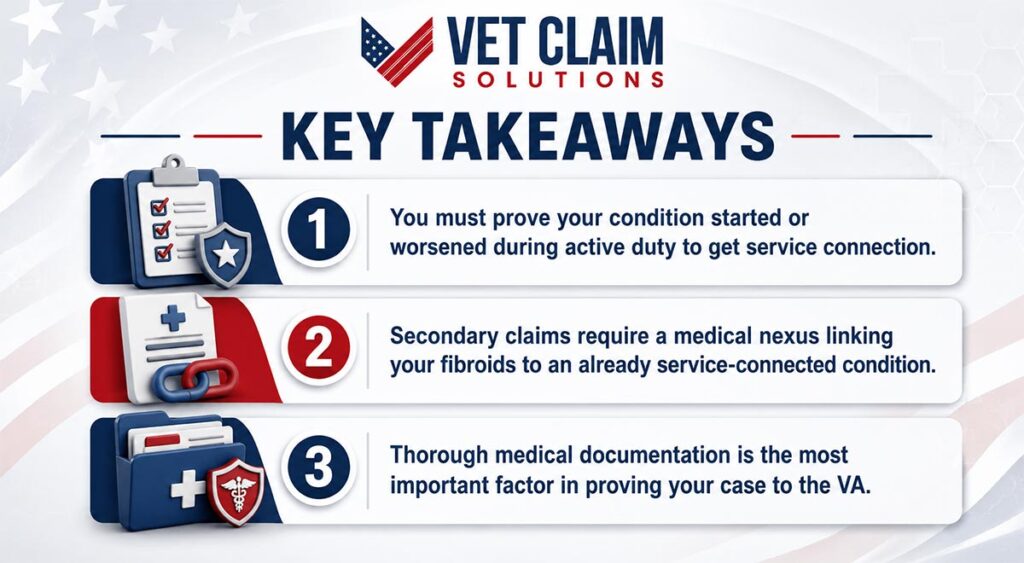
To receive a VA benefit for uterine fibroids, you must establish a direct link between your condition and your active duty time. This process, known as service connection, requires proving that your condition started, worsened, or became symptomatic during military service. Veterans should submit service connection showing early complaints, treatment, or diagnosis related to female reproductive organs, pelvic pain, abnormal bleeding, or other gynecological concerns.
A current diagnosis is also important. The VA generally needs medical confirmation that you have uterine fibroids or related benign growths affecting the reproductive system. This may include pelvic exams, ultrasound reports, imaging tests, surgical records, or treatment notes from a gynecologist. These records help show that the condition is real, ongoing, and connected to your VA disability claim.
A clear timeline of symptoms helps the VA understand how your service impacted your health. Symptoms may include menstrual bleeding, heavy menstrual bleeding, frequent urination, pressure, pelvic pain, and other fibroid symptoms. If your symptoms became worse during your childbearing years or while you were still in service, that history may help support your disability claim.
Sometimes, a uterine fibroid develops or worsens because of another service-connected illness, injury, or treatment. In these cases, you may pursue secondary service connection instead of direct service connection. For example, certain medications, hormone changes, or chronic conditions may be discussed as possible risk factors, but the VA will usually require strong medical opinions explaining the connection.
To prove secondary service connection, you must show that the primary service-connected condition caused or aggravated the fibroids. The VA needs clear medical evidence and a strong medical nexus explaining how one condition led to or worsened the other. Without this link, the VA may deny the claim or assign a lower VA disability rating.
An independent medical evaluation can provide the documentation needed to strengthen your application. A qualified physician can review your records, explain your diagnosis, identify relevant risk factors, and provide a medical opinion supporting your claim. This can be especially helpful when seeking VA disability benefits, VA disability compensation, or a higher rating for symptoms that require continuous treatment.
For veterans seeking VA disability for fibroids, strong evidence matters. Your records should clearly show your diagnosis, symptoms, treatment history, and how the condition affects your daily life. The stronger your documentation, the better chance you have of showing the VA why your condition deserves a fair disability rating.
How the VA Rates Uterine Fibroids and Gynecological Conditions for a Disability Benefit
The VA rates uterine fibroids and other gynecological conditions based on how severely they affect a veteran’s health, daily life, and ability to work. A uterine fibroid may qualify for a disability benefit when it causes ongoing symptoms such as pelvic pain, heavy bleeding, anemia, pressure, frequent urination, or complications that require medical treatment.
For a VA disability claim, the VA usually looks at the severity of symptoms, the need for continuous treatment, and whether the condition is controlled by medication or other care. Veterans may receive a disability rating if their medical records show that the fibroids create functional limitations or require ongoing management.

In many cases, uterine fibroids are evaluated under VA rating criteria for gynecological conditions. The rating may depend on whether symptoms are mild, moderate, or severe, and whether treatment has helped control the condition. If symptoms continue despite treatment, this may support a higher VA disability rating.
To strengthen a claim, veterans should provide strong medical evidence, including diagnosis records, imaging results, treatment notes, prescriptions, surgical history, and statements explaining how the condition affects daily life. Establishing service connection is also important because the VA must see that the condition began during service, worsened because of service, or is linked to another service-connected condition.
A well-documented claim can help show why uterine fibroids should be considered for VA disability benefits and how the condition impacts the veteran’s overall health.