


Veterans often experience progressive health issues long after their military service ends, and bone density loss can become a serious concern over time. Because osteoporosis weakens the bones and increases the risk of fractures, many former service members ask: Does osteoporosis qualify for VA disability? The answer is yes, but the VA requires strong medical evidence, a current diagnosis, and proof of service connection before assigning a disability rating.
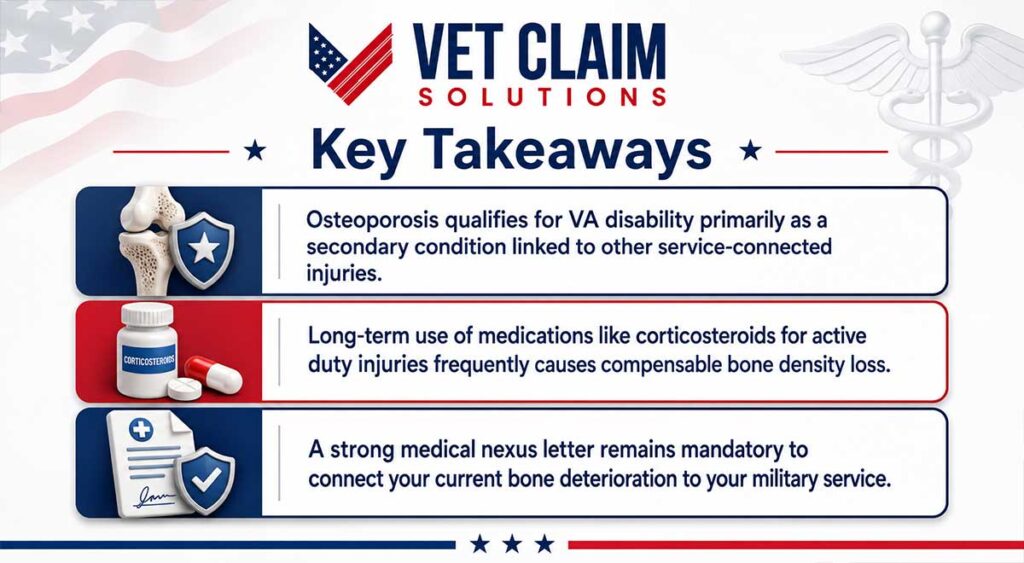
Osteoporosis may qualify for VA disability when it is directly connected to service, aggravated by active duty, or linked to another service-connected disability. In many cases, veterans develop osteoporosis as a secondary condition caused by medications, limited mobility, hormonal changes, chronic illness, or other service-connected health problems. Conditions such as degenerative arthritis, lumbar spine injuries, sleep apnea, or long-term treatment for prostate cancer may also be relevant if they increase the risk of developing osteoporosis.
The VA may review your diagnosis, treatment history, x-ray evidence, bone density scans, fracture history, and functional limitations when deciding how your condition should be rated. Understanding the right diagnostic code, how the VA rates osteoporosis, and what evidence supports an osteoporosis VA rating can help you build a stronger claim from the start.
This guide explains how osteoporosis may qualify for disability benefits, what risk factors the VA may consider, how to prove direct or secondary service connection, and what veterans should know before filing a bone density loss VA claim.

Osteoporosis weakens bones, making them fragile and more likely to fracture from minor falls, simple movements, or routine daily activities. For veterans, this condition can become especially serious when bone density loss affects mobility, causes chronic pain, or increases the risk of long-term disability. Under the right circumstances, the Department of Veterans Affairs may recognize osteoporosis as a compensable condition if the veteran can prove service connection, aggravation, or a link to another service-connected disability.
Veterans may face unique risk factors that accelerate bone density loss compared to the general population. Physical trauma during military service, repeated joint stress, spinal injuries, limited mobility, and long-term medical treatment can all contribute to worsening bone health. Research from the National Institutes of Health has also highlighted the burden of musculoskeletal conditions among veterans, making bone and joint health an important issue in many VA disability claims.
Physical injuries sustained during active duty may create long-term mobility problems. When a veteran cannot bear weight normally because of severe joint damage, paralysis, chronic pain, or a lumbar spine injury, the surrounding bones may gradually lose mass. Over time, this reduced movement can increase the risk of developing osteoporosis or worsening an existing bone density condition.
Certain medications may also play a role. Medical providers often prescribe glucocorticoids or other steroid medications to treat chronic inflammatory conditions, respiratory disorders, autoimmune disease, or other service-connected health problems. Long-term steroid use is a known risk factor for bone mineral loss and may support a secondary VA claim when properly documented with medical evidence.
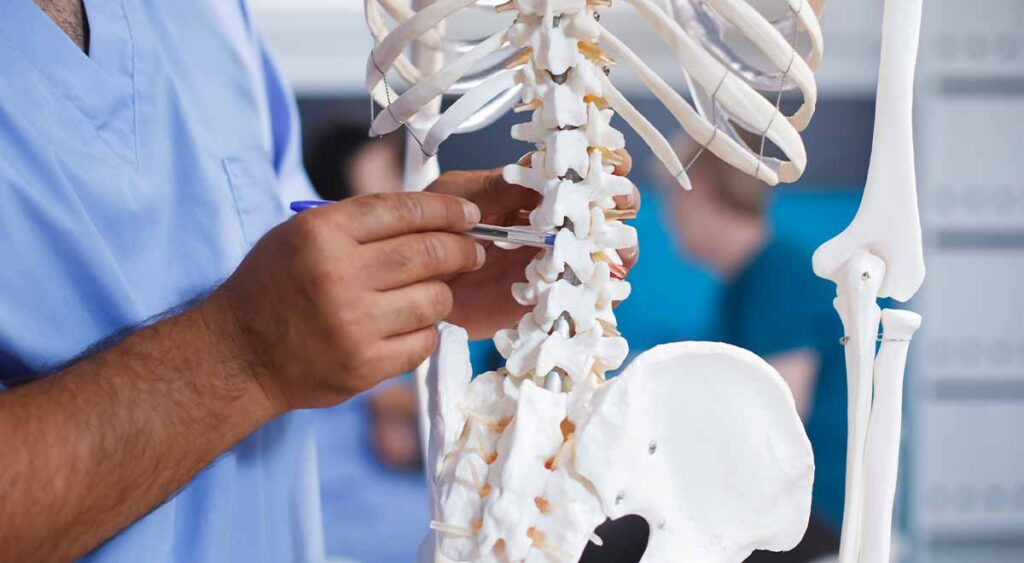
Deployment-related stress, poor nutrition, repeated impact, and untreated injuries may also contribute to early joint and bone deterioration. Some veterans experience small fractures, overuse injuries, or chronic pain that go untreated for years. These issues can alter body mechanics, place additional stress on nearby major joints or minor joint groups, and accelerate localized bone deterioration.
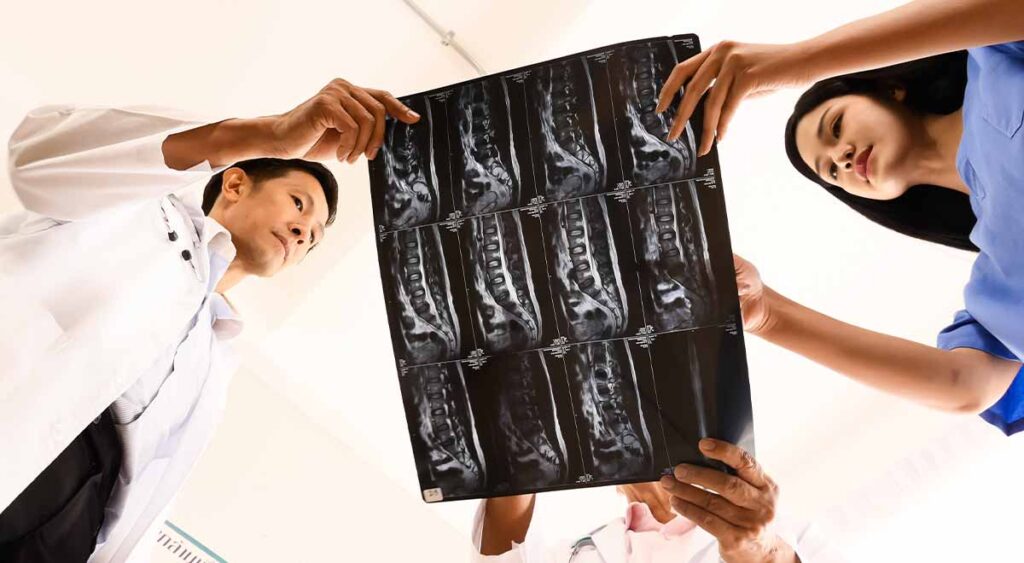
By the time osteoporosis is officially diagnosed through bone density testing, imaging, or x-ray evidence, the damage may already affect mobility, strength, and daily function. This is why early documentation matters. Veterans seeking disability benefits for osteoporosis should gather medical records, diagnostic testing, treatment history, and any evidence showing how military service or a service-connected condition contributed to bone density loss.

Establishing a Service Connection for Bone Density Loss VA Claims
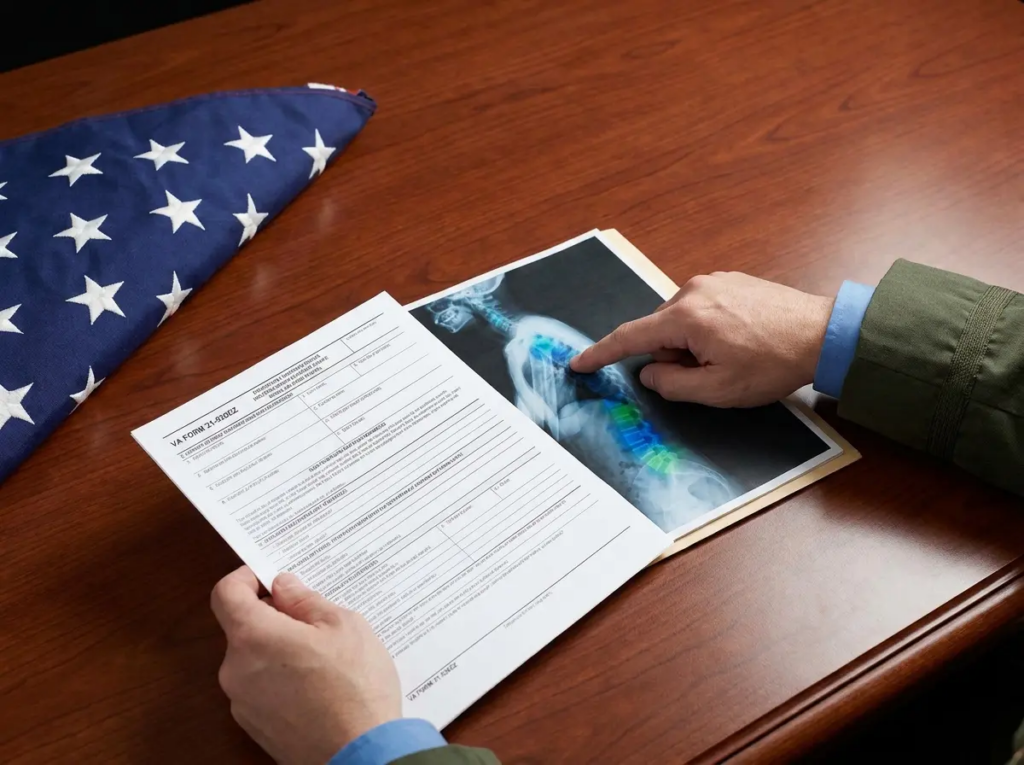
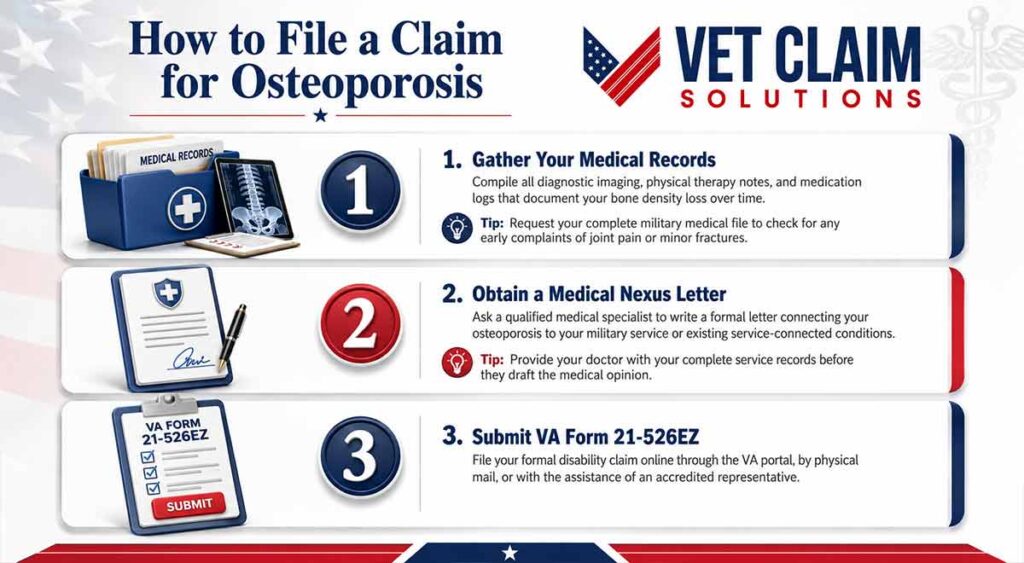
You must establish a clear legal and medical link between your military service and your current bone deterioration. The VA refers to this critical link as a medical nexus, which serves as the foundation of any successful disability claim. Veterans generally pursue one of two primary paths to secure a VA disability rating for osteoporosis: direct service connection or secondary service connection.
The right path depends on your medical history, service records, and whether another service-connected condition caused or worsened your bone loss. In some cases, osteoporosis may be treated as a service-connected osteoporosis claim when medical evidence shows that military service, sustained injuries, medication use, or another health condition contributed to the disease.
Direct Service Connection for Bone Density Loss and VA Disability Benefits
A direct service connection applies if you received an official osteoporosis diagnosis while actively serving in the military. This scenario is less common because the disease typically affects older individuals later in life. However, younger service members may develop osteoporosis because of severe nutritional deficiencies, extreme physical stress, repeated fractures, or long deployments that place heavy strain on the body.
Extreme physical stress from carrying heavy equipment over long distances can contribute to early joint and bone degradation. If your military medical records document bone density loss, repeated fractures, chronic joint pain, or an osteoporosis diagnosis during active duty, establishing direct service connection may become more straightforward.
The VA will look for concrete evidence that the condition began during your official dates of active duty. Helpful documentation may include service treatment records, x-ray evidence, bone density scans, diagnostic testing, and medical notes showing how your symptoms continued after discharge. These records can help explain how the VA should evaluate your veterans disability claim and determine whether a VA benefit is warranted.
Osteoporosis Secondary to Service-Connected Condition: Filing a Bone Density Loss VA Claim
The majority of successful osteoporosis claims often fall under secondary service connection. This means an already recognized service-connected disability directly caused or worsened your current bone deterioration. For example, a veteran with a service-connected knee injury, hip injury, lumbar spine condition, or other musculoskeletal conditions may permanently alter their gait or reduce mobility.
Over time, lack of weight-bearing activity can increase the risk of localized osteoporosis in affected major joints, a minor joint, or multiple minor joint groups. This can lead to chronic pain, weakness, fracture risk, and functional limitations that affect how people work, move, and complete daily activities.
Another frequent pathway involves the secondary effects of medications used to treat a service-connected condition. If the VA compensates you for a respiratory condition, autoimmune disease, inflammatory disorder, or another serious disability, your provider may prescribe long-term steroid medication such as prednisone. While this medication may help manage the primary condition, it can also reduce bone mineral density and place you at a higher risk of developing osteoporosis.
Other service-connected conditions may also be relevant. Veterans with sleep apnea, a sleep apnea claim, prostate cancer treatment history, chronic pain, or limited mobility may need to explain how these conditions or treatments contributed to bone loss. If supported by medical evidence, these connections may help strengthen a secondary VA claim.
To succeed with this type of claim, a qualified medical professional should write a comprehensive medical nexus letter. This document must confirm the chain of events linking your primary service-connected disability, the resulting treatment or mobility limitation, and your bone density loss. The VA claims adjudicator relies heavily on this expert medical opinion when deciding whether osteoporosis should be service connected.
Without this explicit linkage, the rating official may attribute your bone deterioration to natural aging instead of a service-connected cause. A strong nexus letter, diagnostic testing, treatment history, and evidence of functional limitations can help show how osteoporosis should be evaluated and how VA rates the condition.
Severe osteoporosis may also require extreme precautions to avoid fracturing bones during normal activities. If the condition causes repeated fractures, incapacitating episodes, or prevents a veteran from maintaining steady employment, additional options such as individual unemployability may become relevant. This is why detailed medical evidence is essential when pursuing disability benefits for osteoporosis.
The VA Rating Schedule for Osteoporosis: Determining Your VA Disability Rating
The Department of Veterans Affairs does not evaluate osteoporosis based only on a bone density scan score. Instead, the VA considers how the condition affects movement, function, pain, fracture history, and the veteran’s ability to work. Under Diagnostic Code 5013, osteoporosis is generally evaluated like degenerative arthritis, based on limitation of motion of the affected body part.
This means the VA looks closely at how bone density loss affects the spine, hips, knees, ankles, shoulders, wrists, or other affected major joints and minor joint groups. If osteoporosis causes painful motion, stiffness, weakness, limited range of motion, or functional loss, those symptoms may influence your final VA disability rating.
The VA may also review x-ray evidence, bone density testing, fracture history, and medical records showing how the condition limits daily activity. For example, if osteoporosis affects the lumbar spine, the VA may rate the condition based on how much it limits bending, standing, walking, or lifting. If it affects the hips or knees, the VA may consider reduced motion, instability, pain with movement, or difficulty with weight-bearing activity.
Frequent fractures can also play an important role in determining how osteoporosis is rated. If a veteran suffers an active fracture related to osteoporosis, the VA may evaluate the injury based on the affected bone, the healing period, and any remaining symptoms after recovery. Once the fracture stabilizes, the VA may assign a long-term rating based on residual pain, deformity, weakness, loss of motion, or functional impairment.
In more serious cases, osteoporosis may cause incapacitating episodes, repeated fractures, or severe physical restrictions that require a veteran to take extreme precautions to avoid fracturing bones during daily life. These limitations can affect mobility, independence, and the way people work. When osteoporosis prevents steady employment, veterans may also need to explore whether individual unemployability applies.
The VA Schedule for Rating Disabilities focuses on the real-world impact of the condition, not just the diagnosis itself. A strong VA claim should include diagnostic testing, x-ray evidence, range-of-motion measurements, treatment records, fracture documentation, and medical opinions explaining how osteoporosis limits function. This evidence helps the VA determine the correct disability rating and whether the veteran qualifies for additional disability benefits.
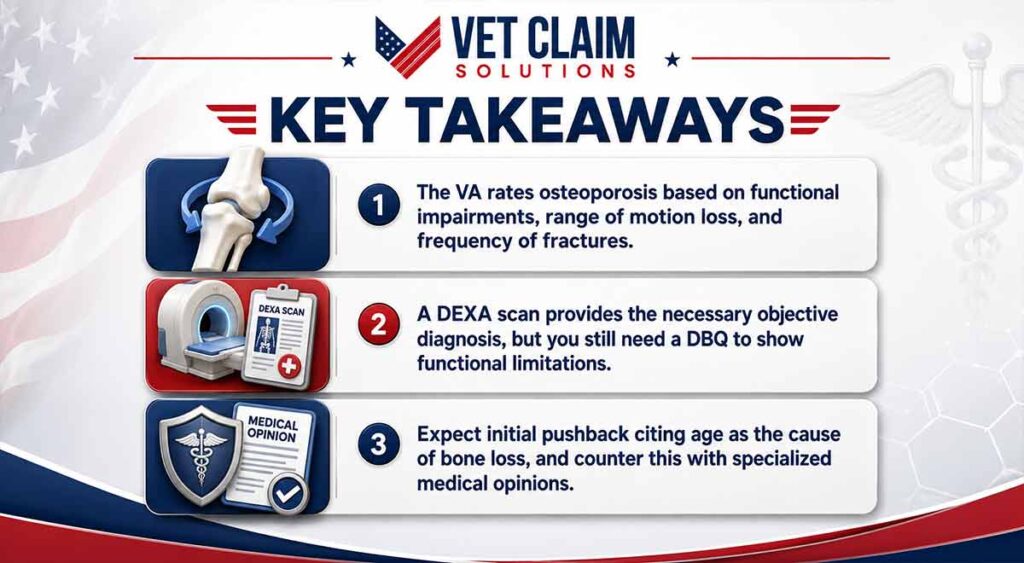
️ Warning: Do not submit a claim relying solely on a DEXA scan score, as the VA requires evidence of functional impairment or resulting fractures to assign a compensable rating.
Essential Medical Evidence for Your VA Disability Benefits for Osteoporosis Claim
Gathering comprehensive medical documentation represents the most critical phase of the entire VA claims process. A simple, handwritten diagnosis from your primary care physician will not suffice to win permanent disability benefits. You must provide objective medical testing that confirms the severe depletion of your overall bone mass. Dual-energy X-ray absorptiometry (DEXA) scans serve as the gold standard for officially diagnosing osteoporosis in the medical community.
A comprehensive bone density loss VA claim file should include several specific types of medical documentation to prove your case. Gathering these records early in the process prevents unnecessary delays and strengthens your initial argument.
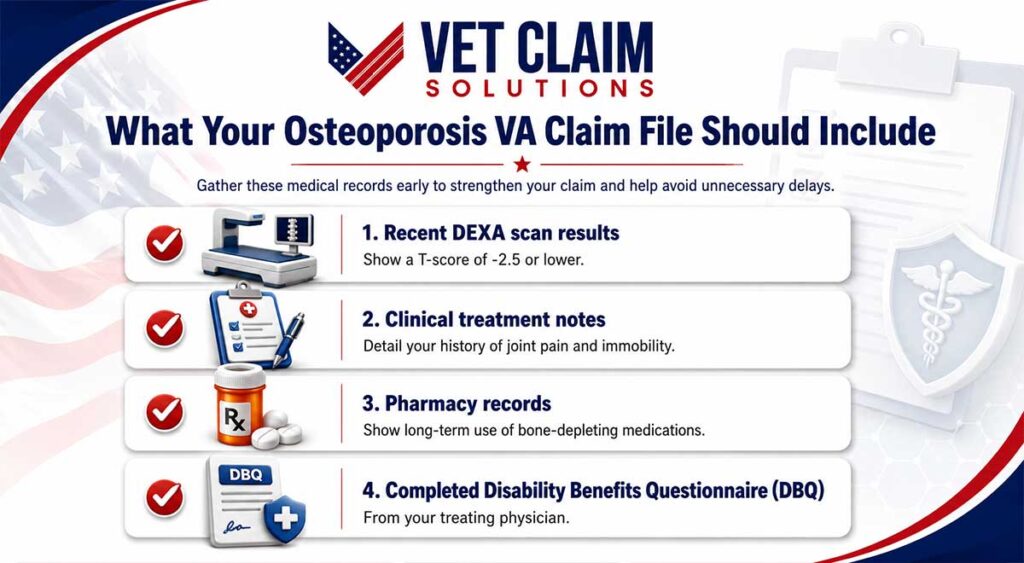
In addition to diagnostic imaging, you need detailed clinical notes documenting your history of fractures and joint pain. Ask your treating physician to complete a Disability Benefits Questionnaire (DBQ) specific to severe musculoskeletal conditions. The DBQ provides the VA rater with standardized information regarding your exact range of motion measurements in degrees. This specific numerical data directly correlates to the percentage criteria outlined in the official rating schedule.
Handling Common Claim Denials: Does Osteoporosis Qualify For VA Disability Appeals?
The Veterans Benefits Administration frequently denies initial claims for osteoporosis due to insufficient evidence linking the condition to military service. Evaluators might argue that your bone loss stems entirely from natural aging rather than documented military factors. Age and genetics certainly play major roles in overall bone health, which gives the VA an easy rationale for denial. You must anticipate this predictable argument and counter it with aggressive, specialized medical documentation.
If the VA issues a denial letter, you have the absolute right to appeal the decision within one year. Many veterans find success by requesting a Higher-Level Review, where a senior claims adjudicator examines the exact same evidence. If your original claim lacked a strong medical nexus, you should file a Supplemental Claim instead of a formal review. This specific path allows you to introduce new and relevant evidence, such as an independent medical examination from a private doctor.
Working with an accredited Veterans Service Officer (VSO) or a specialized VA disability attorney often proves highly beneficial during appeals. These trained professionals understand the specific legal language required to successfully overturn a frustrating denial. They can help you source medical experts who frequently write effective nexus letters for complex secondary conditions. A well-argued appeal can eventually secure the compensation you deserve, along with retroactive back pay to your original filing date.
Final Thoughts on Securing a VA Disability Rating for Osteoporosis and Bone Density Loss
Answering the critical question “Does osteoporosis qualify for VA disability?” requires a thorough understanding of secondary conditions and medical evidence. The physical toll of military service frequently extends far beyond the date of discharge. Secondary conditions like severe bone deterioration represent a legitimate consequence of your previous military sacrifices. You possess every legal right to pursue compensation for the long-term damage caused by service-connected injuries and their subsequent treatments.
Patience and careful record-keeping serve as your best tools throughout the sometimes frustrating VA claims process. Build a robust medical file before submitting your initial application to completely avoid lengthy administrative delays. Consult with medical specialists who understand the complex relationship between physical trauma, prescription medication, and bone density loss. By presenting a thoroughly documented claim, you maximize your chances of receiving the appropriate disability rating for osteoporosis.
Remember that the VA system operates on rigid rules and highly specific diagnostic criteria. Do not let an initial claim denial discourage you from pursuing the disability benefits you earned through your service. The official appeals process exists exactly for these situations, allowing veterans to clarify their complicated medical histories. With the right medical evidence and persistent effort, you can successfully prove that your bone density loss warrants VA compensation.