

Millions of veterans struggle with severe cardiovascular issues long after their military service officially ends. When seeking a va disability rating, understanding the specific Hypertension VA Rating Evidence Veterans Need to Know is the first step toward a successful outcome. A formal va claim for these medical conditions requires specific documentation and precise clinical data from your doctors. You need a clear and actionable strategy to secure the disability benefits you rightfully earned during your deployment. High blood pressure often acts as a gateway to more serious health complications, making early and accurate documentation essential for your long-term wellness and financial security.
Many former service members do not realize that their high blood pressure qualifies for federal compensation. The Department of Veterans Affairs follows strict federal guidelines to evaluate and approve these medical applications. Understanding these specific administrative rules gives you a significant advantage during the lengthy and often confusing application process. By focusing on the right medical evidence, you can ensure your va disability case is handled with the attention it deserves. The process requires a meticulous approach to gathering records that span from your initial entry into the military until your most recent doctor visit.
This guide provides the exact clinical criteria required to build a successful application for your cardiovascular health. We will cover the specific clinical numbers, necessary official forms, and common strategies veterans use to win. By carefully following these sequential steps, you can maximize your chances of receiving a highly favorable decision. Securing your va benefits requires a thorough understanding of how the system views chronic hypertension and its long-term effects. We will also explore how the PACT Act has changed the landscape for those seeking a service connection based on environmental exposures during their time in uniform.
To win a hypertension claim, you must understand how the government evaluates your cardiovascular health. The veterans affairs rating system requires specific clinical criteria to approve your disability claim. They use diagnostic code 7101 to classify and evaluate this specific medical issue. This diagnostic code is the primary tool used by raters to determine the severity of your condition. Establishing a valid service connection is the first hurdle every veteran must clear to receive monthly compensation payments.
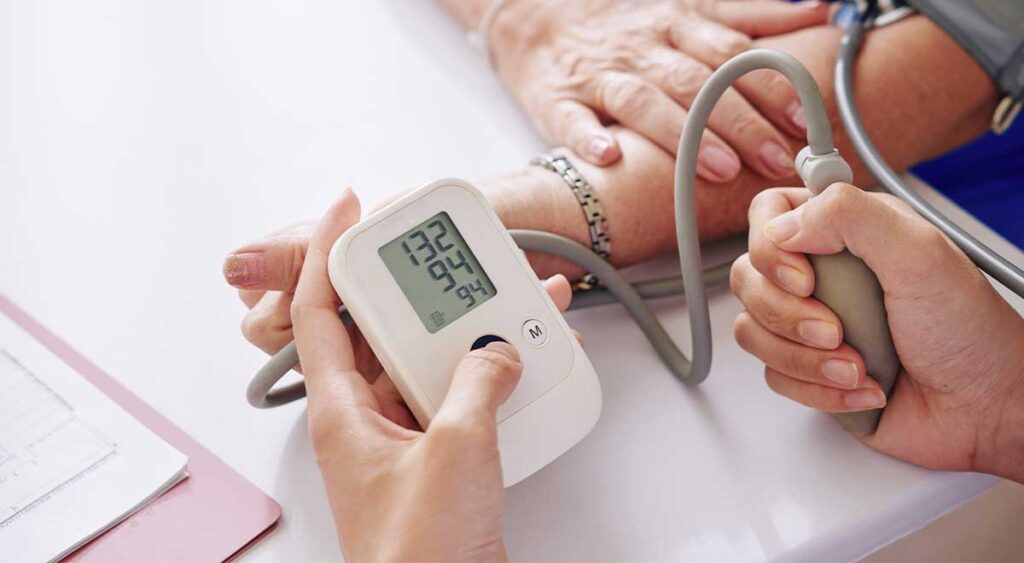
Your doctor will record your systolic pressure, which measures the force in your arteries during a heartbeat. They also measure your diastolic pressure, representing the resting pressure between your heartbeats. A single high blood pressure reading will not satisfy the strict federal evaluation requirements. You need a consistent blood pressure reading history to show the chronic nature of the illness. The VA typically looks for a pattern of readings taken on at least three separate days to confirm a diagnosis of hypertension.
You must provide multiple blood pressure readings taken over several days to establish a chronic medical issue. These blood pressure readings form the absolute foundation of your required medical evidence. Without consistent clinical documentation, proving your case becomes extremely difficult and often leads to denial. Each pressure reading must be recorded accurately to reflect your true cardiovascular state under various conditions. Furthermore, the VA will evaluate whether your condition requires continuous medication to remain within a safe physiological range for your age and health status.
During a Compensation and Pension (C&P) exam, the examiner will likely perform their own set of readings. It is vital that you are honest about your symptoms and how the medication affects your daily energy levels. Many veterans experience “white coat syndrome,” where their pressure spikes in a clinical setting, but the VA requires more than just one-time spikes. Providing a home log of your readings can help the examiner understand your baseline health outside of the stressful clinic environment. This comprehensive data set is what ultimately determines your service connection and final disability percentage.
VA Disability: Establishing Direct Service Connection for Hypertension
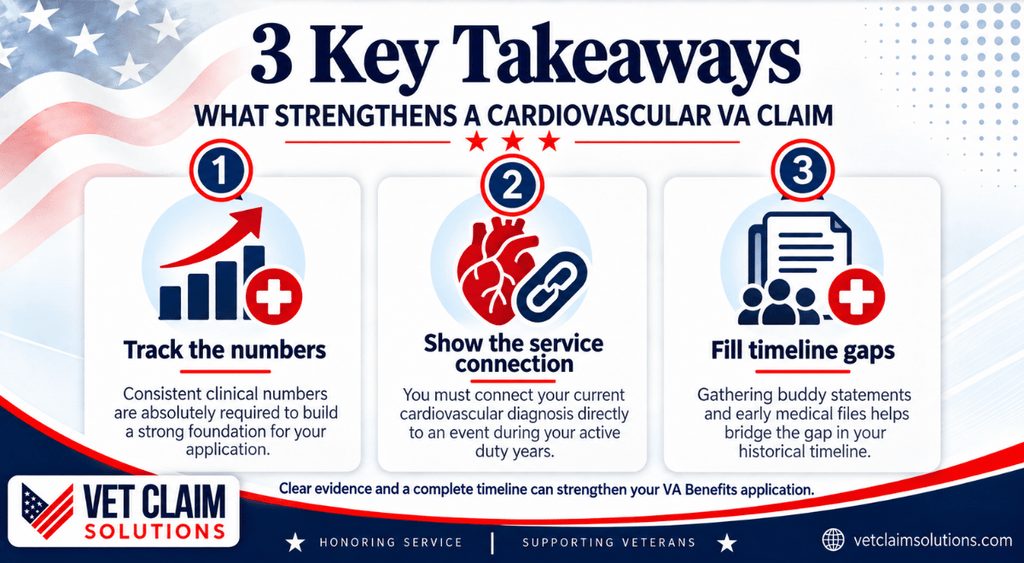
A direct service connection means your medical issue started during your active duty military service. You must show a clear, documented link between your current diagnosis and a specific incident during your service years. This requires comprehensive treatment records showing elevated numbers while you were still wearing the uniform. Establishing a service-connected condition is vital for long-term va disability support. Without an in-service event or diagnosis, the VA may assume your hypertension is a result of post-service lifestyle factors.
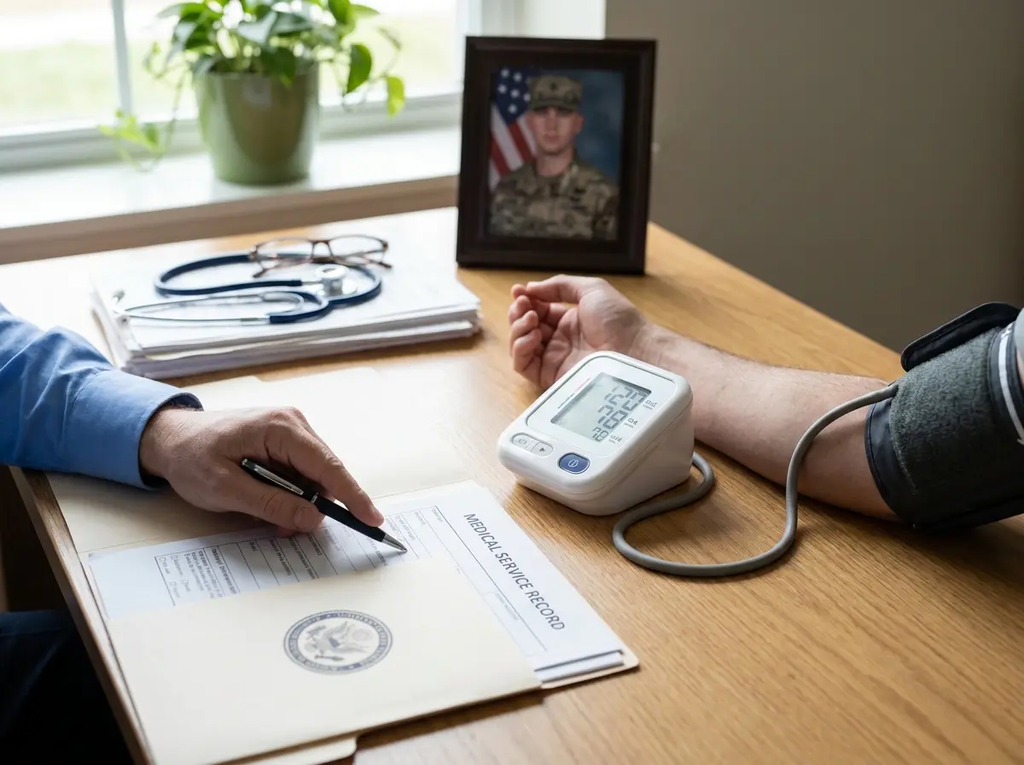
Veterans often fail to prove service connection because they lack continuous and historical medical documentation. If your condition worsened years after discharge, direct service becomes much harder to establish officially. You must provide a strong nexus letter from a qualified physician linking the current high blood pressure to your military time. This medical evidence serves as the bridge between your past service and current health struggles. A well-written nexus letter should state that it is “at least as likely as not” that your condition began during service.
Many veterans develop cardiovascular problems during service but fail to report them to the base medical clinic. You need to prove service by gathering buddy statements and private medical records from right after discharge. This body of evidence shows the condition existed early on and justifies your va disability rating. Consistent blood pressure monitoring during this period can provide the necessary data for a successful hypertension claim. If you can show that your blood pressure was borderline high during your exit physical, you have a much stronger case for direct service connection.
The VA also considers the “presumption of soundness,” which means they assume you were healthy when you entered the military. If your entrance exam showed normal blood pressure and your exit exam or subsequent records show hypertension, the burden shifts to the VA. They must prove that your military service did not cause or aggravate the condition. This legal protection is a powerful tool for veterans who developed cardiovascular issues during their years of active duty. Always ensure your representative highlights this presumption during the initial filing of your service connection claim.
Presumptive Service Connection: Agent Orange Exposure and Orange Exposure
The government recently expanded benefits for veterans who served in specific overseas combat locations. If you deployed to Vietnam or other covered areas, you might qualify for a presumptive service connection status. This means the government assumes your military service caused your illness without needing a direct historical link. This is particularly relevant for those with documented agent orange exposure during their deployment. The presumptive service rules remove the need for a nexus letter in many cases, simplifying the path to benefits.
The PACT Act has significantly changed how the VA handles agent orange claims for hypertension. Veterans who can prove they were in proximity to orange exposure zones are now eligible for streamlined processing. This change recognizes that high blood pressure is a common result of toxic chemical contact. You should check your service records to see if your location qualifies for this presumptive va disability status. The list of covered locations now includes parts of Thailand, Laos, Cambodia, and even Guam.
Even with presumptive status, you still need to provide a current diagnosis of high blood pressure. The VA will not automatically grant a disability rating just because you served in a specific area. You must show that your current blood pressure levels meet the criteria for compensation. Providing a detailed history of your blood pressure reading results will help solidify your claim under these new rules. It is also important to note that the effective date for these claims can often be backdated to the date the law was signed.
The expansion of these rules means thousands of veterans who were previously denied are now eligible for a presumptive service connection. If you were denied in the past, you should consider refiling a supplemental claim based on the new PACT Act guidelines. The VA is currently prioritizing these claims to ensure that aging veterans receive the care they need. Make sure your medical records clearly state your diagnosis and the date it was first identified by a healthcare provider. This documentation is the final piece of the puzzle for those exposed to toxic herbicides during their service.
Secondary Service Connection: High Blood Pressure and Sleep Apnea
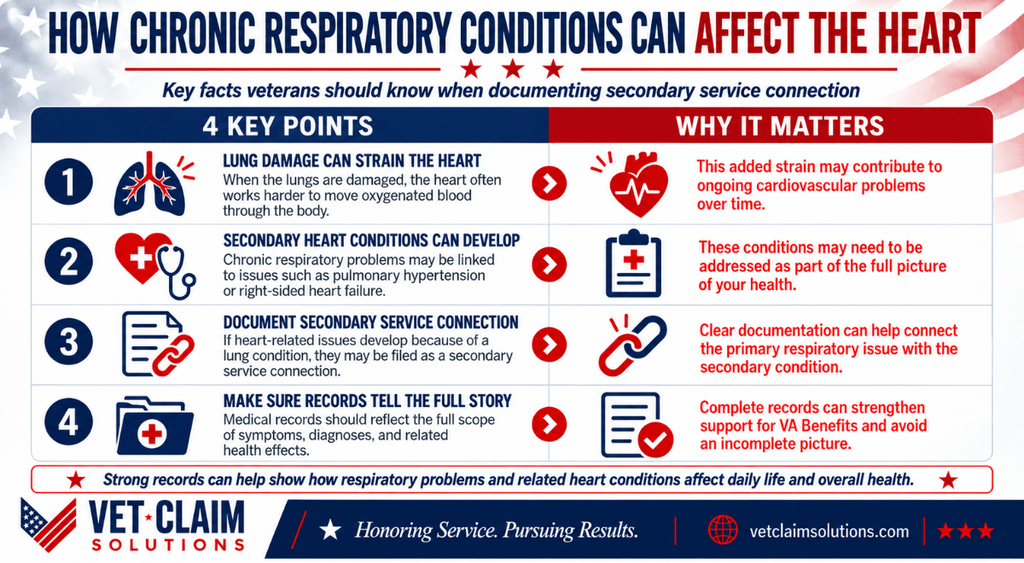
A secondary service connection is a medical issue that is caused or aggravated by an existing service-connected condition. For many veterans, hypertension is not the primary claim but develops as a result of another ailment. For example, a veteran with chronic sleep apnea may develop high blood pressure due to the strain on their heart. Proving this link is essential for increasing your overall va rating and ensuring all your health issues are recognized. This secondary service path is often the most effective way to reach a higher combined disability percentage.
When filing for a secondary service connection, you must provide medical evidence that explains the physiological connection. Doctors often point to the lack of oxygen during sleep as a primary driver for increased blood pressure. If you already have a rating for sleep apnea, adding hypertension as one of your secondary conditions can lead to higher disability benefits. This approach requires a clear medical nexus from a specialist who understands both conditions. The specialist must explain how the primary condition “proximately caused” or “aggravated” the hypertension.
Other secondary conditions can also be linked to hypertension, such as post-traumatic stress disorder (PTSD) or chronic kidney issues. The stress and physiological changes associated with these primary conditions often manifest as elevated blood pressure. By identifying every secondary service link, you can ensure your disability ratings accurately reflect your total health picture. This comprehensive view is necessary for achieving a total disability rating if your symptoms are severe enough. Many veterans find that their hypertension is actually a symptom of long-term, untreated anxiety or chronic pain.
It is also possible to claim hypertension as secondary to orthopedic injuries that limit your ability to exercise. If a service-connected back injury prevents you from maintaining a healthy weight, the resulting hypertension can be linked back to that injury. This requires a detailed explanation of how the physical limitation led to weight gain and subsequent cardiovascular strain. Working with a medical professional who can articulate this chain of causality is vital for a successful secondary service connection claim. Never assume a condition is unrelated until you have consulted with a specialist who understands VA law.
Diagnostic Code 7101: Hypertension VA Rating Evidence Veterans Need to Know
The VA uses a specific set of numbers to determine your disability rating under diagnostic code 7101. To receive a 10% rating, your diastolic pressure must be between 100 and 109, or your systolic pressure must be 160 or higher. These numbers must be confirmed by multiple readings taken on different days. A single pressure reading that is high will not be enough to secure a permanent rating. Understanding these specific thresholds is the core of the Hypertension VA Rating Evidence Veterans Need to Know for a successful claim.
For a 20% rating, the diastolic pressure must consistently measure between 110 and 119. If your diastolic pressure reaches 120 or higher, you may qualify for a 40% or even a 60% rating. These higher ratings are reserved for the most severe cases where the heart is under extreme stress. Each blood pressure reading must be documented by a medical professional to be considered valid evidence by the VA. If your readings fluctuate, the VA will typically look at the average or the most consistent numbers over a period of time.
It is important to note that the VA evaluates your blood pressure while you are on continuous medication. If your numbers are high even with medication, it demonstrates the severity of your service-connected condition. You should maintain a log of every pressure reading you take at home to supplement your official clinical records. This additional data can help prove that your high blood pressure is a constant struggle, not just a temporary spike. The VA rater will look for evidence that the medication is not fully controlling the condition.
In some cases, the VA may grant a 0% non-compensable rating if your hypertension is controlled by medication and your readings are normal. While this does not result in a monthly check, it is still a victory because it establishes service connection. This means if your condition worsens in the future, you can easily apply for an increase without having to prove the link to your service again. It also grants you access to VA healthcare for that specific condition, which can save you thousands in medication costs over time. Always accept a 0% rating as a foundation for future claims.
Step-by-Step Guide to Proving Your Hypertension Claim
The first step in proving your hypertension claim is to obtain a formal diagnosis from a licensed physician. You should ask your doctor to complete a disability benefits questionnaire (DBQ) specifically for hypertension. This benefits questionnaire is designed to capture all the data the VA needs to make a decision. The DBQ ensures that the doctor addresses the specific legal requirements the VA rater is looking for.
Next, you must gather all relevant medical evidence, including hospital records and private doctor notes. Ensure that your records show a history of continuous medication use for your blood pressure. The VA needs to see that you are actively managing the condition and that it persists despite treatment. This evidence is crucial for establishing the long-term nature of your va disability. You should also include any records of emergency room visits related to hypertensive crises or severe headaches, as these demonstrate the severity of the condition.
After submission, you will likely be scheduled for a C&P exam with a VA-contracted physician. Prepare for this exam by reviewing your medical history and being ready to discuss your symptoms in detail. Do not downplay your symptoms; if you feel dizzy or fatigued daily, make sure the examiner knows. The examiner’s report will be a primary piece of evidence used by the rater to assign your percentage. Following up on the status of your claim through the VA website can help you stay informed during the waiting period.
Maximizing Your VA Disability Rating and Benefits
To maximize your disability rating, you must look beyond just the numbers on a blood pressure cuff. Consider how your hypertension impacts your overall cardiovascular health and whether it has led to heart disease. Many veterans find that their high blood pressure is just the beginning of more complex medical issues. Documenting these complications is key to receiving the full disability benefits you deserve. The VA uses a “combined rating” system, so every additional 10% or 20% can significantly increase your monthly compensation.
If your service-connected conditions prevent you from maintaining gainful employment, you may qualify for individual unemployability (TDIU). This benefit allows the VA to pay you at the 100% rate even if your combined rating is lower. To qualify, you must show that your hypertension or related secondary conditions make it impossible to work. This is a vital safety net for veterans with severe, chronic health problems. You will need to provide evidence from your employer or a vocational expert to support this claim.
Achieving a total disability rating often requires a combination of several different disability ratings. By linking your hypertension to other issues like sleep apnea or kidney disease, you can build a stronger case. The goal is to provide a complete picture of your health that the VA cannot ignore. Consistent medical evidence and professional nexus letters are the most effective tools for reaching this goal. Remember that the VA is looking for the “totality of the circumstances” when evaluating your ability to function in a work environment.
Another way to maximize your benefits is to ensure you are claiming all related symptoms, such as tinnitus or headaches. While these may seem minor, they can be linked to the vascular strain caused by hypertension. Each of these small ratings adds up under the VA’s math system, potentially pushing you into a higher bracket. Always review your medical records for any mention of secondary symptoms that could be service-connected. A comprehensive approach is the only way to ensure you are not leaving earned benefits on the table.
Common Mistakes in Hypertension Claims and Medical Evidence
One of the most common mistakes veterans make is failing to provide enough pressure readings. The VA requires a specific protocol of three readings on three different days to establish a baseline. If you only provide one or two readings, your claim will likely be deferred or denied. Make sure your doctor understands the VA’s specific requirements for a blood pressure reading series. This technicality is one of the most frequent reasons for a claim denial, even when the veteran clearly has the condition.
Another mistake is not mentioning the side effects of your continuous medication. Many blood pressure drugs cause fatigue, dizziness, or other issues that can impact your quality of life. These side effects should be documented as part of your hypertension claim to show the full burden of the disease. Your disability rating should reflect the total impact of the condition and its treatment on your daily functioning. If your medication causes frequent urination or erectile dysfunction, these can also be claimed as secondary issues.
Finally, many veterans overlook the importance of secondary conditions when filing their initial claim. If you have heart disease or kidney disease that was caused by your hypertension, you must file for them. These conditions often carry higher ratings than hypertension alone and can significantly increase your va benefits. Don’t leave money on the table by failing to report every related health issue. Many veterans wait until their condition is critical before filing, but early filing ensures a longer history of documented service connection.
Additionally, avoid the mistake of missing your C&P exam or failing to provide updated contact information to the VA. If the VA cannot reach you to schedule an exam, they will likely deny your claim for “failure to prosecute.” Keep your records organized and respond to all VA correspondence immediately. If you disagree with a decision, use the Higher-Level Review or Supplemental Claim options rather than starting a brand-new claim. This preserves your original effective date and ensures you receive the maximum back pay possible.
Secondary Conditions: Heart Disease and Kidney Disease
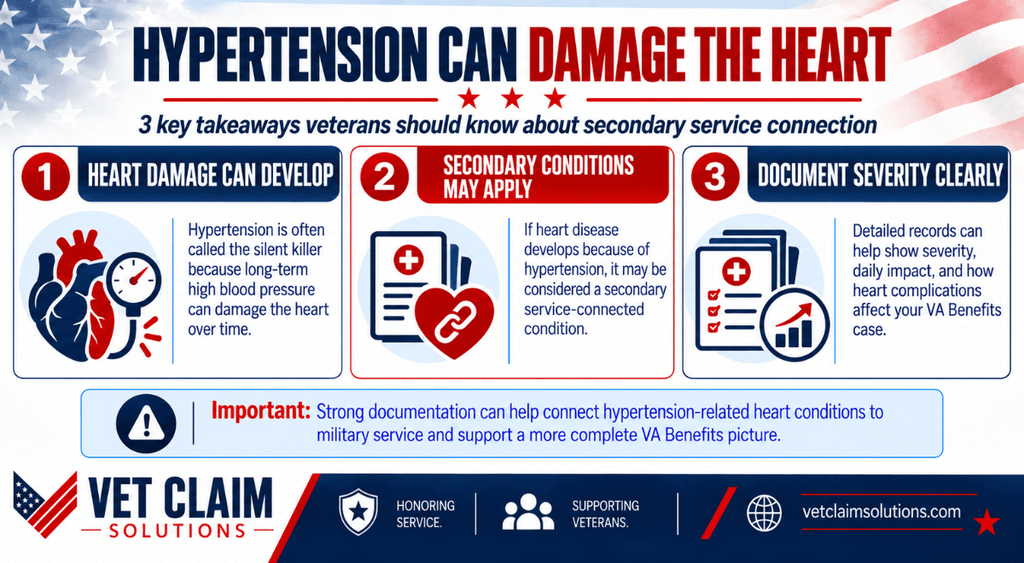
Similarly, kidney disease is a frequent complication of long-term, uncontrolled high blood pressure. The kidneys rely on healthy blood vessels to filter waste from the body, and hypertension damages these vessels. If your lab work shows declining kidney function, it is essential to document this as part of your va disability. These secondary conditions are often more debilitating than the high blood pressure itself. The VA evaluates kidney disease based on creatinine levels and the need for dialysis, which can lead to a total disability rating.
When you provide medical evidence for these complications, ensure your specialist explicitly links them to your hypertension. A statement saying your heart disease is “at least as likely as not” caused by your high blood pressure is powerful. This specific phrasing is what VA raters look for when approving secondary conditions. By being proactive about these links, you can secure a more accurate and fair disability rating. You should also monitor your vision, as hypertension can lead to retinopathy and permanent eye damage.
Cerebrovascular accidents, or strokes, are another major risk associated with chronic hypertension. If you have suffered a stroke, the residual neurological effects can be service-connected as secondary to your high blood pressure. This includes issues with speech, mobility, or cognitive function that persist after the initial event. Documenting the connection between your blood pressure and the stroke is vital for securing the highest level of care and compensation. The VA recognizes the profound impact these events have on a veteran’s ability to live independently.
Conclusion: Securing Your Total Disability and Individual Unemployability
Securing a fair va rating for hypertension requires patience, persistence, and a mountain of clinical data. By understanding the Hypertension VA Rating Evidence Veterans Need to Know, you are already ahead of many other applicants. Focus on gathering consistent pressure readings and documenting every secondary condition that arises. Your service to this country earned you these disability benefits, and you should fight for every percent. The path to a 100% rating is often paved with small, well-documented victories across multiple health issues.
Remember that the path to total disability or individual unemployability is often a marathon, not a sprint. If your initial claim is denied, do not give up; use the appeals process to provide more medical evidence. Many veterans win their cases on appeal by providing more detailed blood pressure reading logs or better nexus letters. Stay organized, keep track of your diastolic pressure, and continue working with your medical team. Your health is your most valuable asset, and the VA system is designed to support you in maintaining it.
Ultimately, your health and financial security are the top priorities. Whether your condition is a result of agent orange exposure or a secondary condition like sleep apnea, you deserve support. Use the tools available, like the disability benefits questionnaire, to make your case as strong as possible. With the right strategy, you can successfully navigate the VA system and receive the compensation you need for your service-connected condition. Do not hesitate to seek professional help from a VSO or an accredited attorney if the process becomes overwhelming.