


If you are dealing with a hiatal hernia or GERD and served in the military, you might be wondering how the VA rates these conditions. The VA recognizes both as legitimate service-connected disabilities. A proper VA hiatal hernia rating GERD claim VA digestive VA disability assessment is essential for your financial support.
Getting the right rating can make a real difference in your monthly compensation. The system for a disability claim can seem confusing at first. However, understanding the specific rating criteria helps clarify the process.
As of May 19, 2024, the VA updated how they rate digestive conditions like hiatal hernia and GERD. These changes affect thousands of veterans suffering from digestive issues. This applies to those filing new claims or appealing existing ratings.

Understanding these updates could mean more money in your pocket each month. The VA rates hiatal hernia under 38 CFR § 4.114 with Diagnostic Code 7346. Ratings range from 0% all the way up to 80% depending on your symptoms.
The severity of your condition and how it impacts your daily life determines where you fall on that scale. Veterans need to know about the diagnostic code changes. Here is what you need to know about getting your VA hiatal hernia rating, GERD claim, and VA digestive disability benefits.
What Changed in May 2024 for VA Digestive Disability Ratings
On March 19, 2024, the VA announced major changes to how they rate digestive conditions. These changes went into effect on May 19, 2024. The update affects GERD and 54 other medical conditions related to digestion.
Before May 2024, the VA rated GERD similar to a hiatal hernia under Diagnostic Code 7346. The new rules still use DC 7346 but with updated criteria. According to a 57-page final ruling, the goal is to use current medical terminology.
This update aims to provide detailed evaluation criteria. If you filed your VA claim before May 19, 2024, the VA will review it under both the old and new criteria. They will apply whichever rating is more favorable to you.
You cannot lose benefits because of the changes. These updates affect more than 488,655 veterans who currently receive compensation for hiatal hernia. In fact, hiatal hernia is the most commonly service-connected digestive disability among all veterans receiving VA benefits.
The new guidance places heavy emphasis on strictures and esophageal diameter. It looks at how medical interventions help you maintain target esophageal diameter. This shift focuses more on functional impairment.
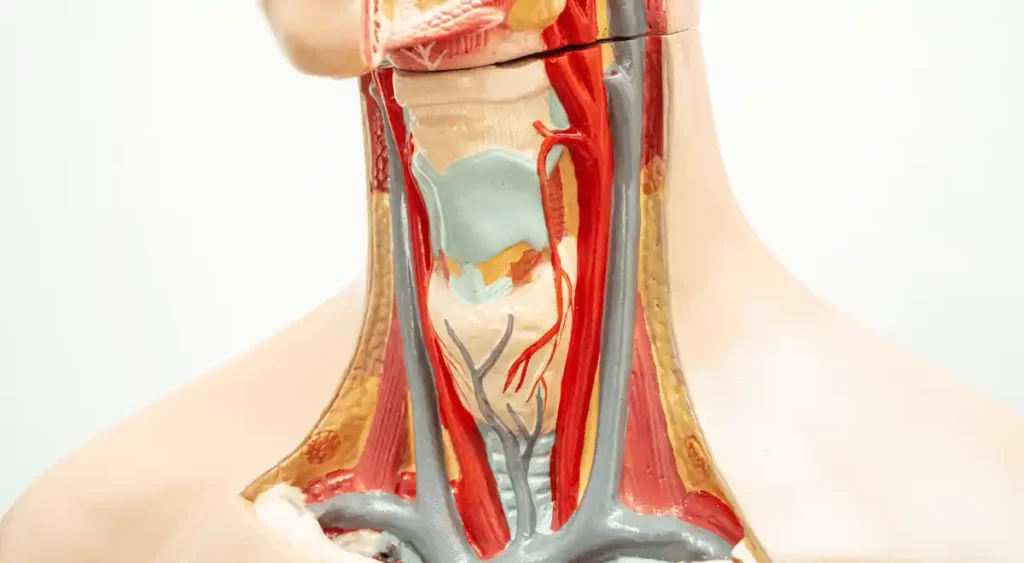
Current VA Hiatal Hernia Rating Percentages
The VA rates hiatal hernia and paraesophageal hernia under DC 7346. This references the criteria for esophageal stricture under DC 7203. Your rating depends on the presence of esophageal strictures, dysphagia, and related complications.
When the VA rates hiatal conditions, they look for specific functional limitations. The rating criteria focus heavily on your ability to swallow and maintain weight. Here is how the disability ratings break down:
- 0% rating: You have a documented history of symptoms, but they are mild. You may have occasional pain or heartburn. The condition does not require daily medications or significantly impact your health.
- 10% rating: This involves dysphagia for solid foods. You might experience some pain behind the breastbone. Dilation sessions performed occasionally may be required.
- 30% rating: This applies to recurrent esophageal stricture causing dysphagia. At this level, you may need dilatation sessions performed at least once. It typically implies difficulty with both semi-solid and solid foods.
- 50% rating: This is for moderate to severe recurrent esophageal issues. It applies if you require dilatation sessions performed at week intervals. It may also apply if you are unable to achieve target esophageal diameter despite treatment.
- 80% rating: This is the highest rating for this diagnostic code. It is for a refractory esophageal stricture. This means you cannot maintain target esophageal diameter even with frequent dilation.
As outlined in CFR Title 38, Part 4, these ratings apply to both hiatal hernia and paraesophageal hernia. The VA rates both conditions under DC 7346. This directs raters to use DC 7203 criteria regarding strictures.
Your specific rating depends on medical evidence showing the severity of your symptoms. Documentation from your doctor matters a lot here. The more detailed your medical records, the better your chances of getting the correct rating.
If you need a disability calculator to estimate your pay, remember that bilateral factors do not usually apply here. Instead, focus on the frequency of your symptoms. The key is proving how the hernia impacts your nutrition and ability to work.

How GERD Connects to Your VA Hiatal Hernia Rating
GERD and hiatal hernia often go hand in hand. Many veterans experience both conditions at the same time. The VA recognizes this connection when evaluating your claim for VA digestive disability benefits.
Gastroesophageal reflux disease happens when stomach acid flows back into your esophagus. A hiatal hernia can make GERD worse. It allows acid to escape more easily through the esophageal sphincter.
The symptoms overlap significantly. A 2020 study found that about 48% of people with GERD symptoms will experience dysphagia. This swallowing difficulty is a key factor in determining your va rating.
If you have both conditions, your medical evidence should document all your symptoms. The VA evaluates VA claims for GERD using the same criteria as hiatal hernia under DC 7346. This means your GERD symptoms contribute to your overall digestive disability rating.
You do not get separate ratings for each condition if they affect the same body system. This is to avoid “pyramiding,” which is rating the same symptom twice. However, a GERD secondary claim can be filed if it causes other issues.
Veterans often require daily medications to manage these symptoms. If your condition requires daily medications to control dysphagia, make sure this is noted. It shows the chronic nature of the illness.
Common Secondary Conditions Linked to Hiatal Hernia and GERD
Hiatal hernia and GERD can lead to other health problems that might qualify for additional VA disability compensation. These secondary conditions happen because of your primary digestive issues. Understanding these connections can help you file a more complete disability claim.
Asthma is a common secondary condition. Research published in The Gastroenterology and Hepatology Journal shows a clear connection between acid reflux and asthma. Acid can irritate your airways and trigger asthma symptoms.
Interestingly, the relationship works both ways. In some cases, asthma medications like Elixophyllin, Theo-24, and Theochron can make acid reflux worse. This creates a cycle that affects both conditions.
Chronic headaches and migraines can also be secondary to GERD. A study in The Journal of Headache and Pain recommends that doctors minimize prescribing NSAIDs to patients with GERD. NSAIDs can worsen reflux symptoms while treating headaches.
Dental problems are another concern. Constant acid exposure can damage your tooth enamel over time. Sleep disorders like sleep apnea can worsen when you have nighttime reflux.
If you have sleep apnea, the acid reflux can inflame the throat. This inflammation can narrow the airway further. This makes gerd secondary to sleep apnea a valid consideration for many.
Anxiety and depression can develop from dealing with chronic pain and discomfort. Disabled veterans dealing with constant chest pain often experience mental health struggles. You can file a secondary claim for these mental health issues.

Filing Your VA Claim for Hiatal Hernia or GERD
Ready to file? Veterans can submit a claim for hiatal hernia or GERD by filling out VA Form 21-526EZ. This is the standard application for VA disability compensation.
You can file online through VA.gov. Alternatively, you can file by mail or in person at a VA regional office. Your claim needs solid medical evidence.
Get current medical records that document your diagnosis, symptoms, and treatment history. A doctor’s opinion linking your condition to your military service strengthens your case significantly. This is often called a nexus letter.
A nexus letter explains how your military service caused or aggravated your digestive condition. The more specific the connection, the better your chances of approval. You can also fill out VA Form 21-4138 to submit additional statements supporting your claim.
This form lets you provide personal statements about how your condition affects your daily life. Real-world examples matter to VA raters. Explain if you have difficulty swallowing or sleeping.
Many veterans find the VA claims process confusing and frustrating. Should you hire a VA disability attorney? It depends on your situation.
An experienced attorney can help if your claim gets denied. They can also assist if you need to appeal for a higher rating. Finding the best VA disability lawyers near me can make the process less stressful.
Medical Evidence That Strengthens Your VA Hiatal Hernia Rating
The VA decides your rating based on medical evidence. The more documentation you have, the better your outcome. Certain specific tests carry more weight than others.
Endoscopy results are gold. These tests show the actual damage to your esophagus and stomach. They provide objective proof of your esophageal condition.
If you have had an endoscopy, make sure those results are in your VA file. pH monitoring tests measure acid levels in your esophagus over 24 hours. These results show how often and how severely acid reflux occurs.
High acid exposure correlates with worse symptoms and higher ratings. A barium swallow is another critical test. Barium swallow studies show how well food moves through your digestive system.
They can reveal strictures or narrowing that is causing dysphagia. This imaging evidence is hard to dispute. Computerized tomography scans can also provide a detailed view of the hernia.
Treatment records matter too. Document all medications you have tried, including over-the-counter antacids and prescription PPIs. Surgery records are especially important if you have had fundoplication or other procedures.
Keep a symptom diary. Write down what you eat and when symptoms occur. Note if you are unable to achieve target esophageal diameter despite treatment.
Mention if you require daily medications to function. This personal record helps doctors understand the real-world impact of your condition. It documents your daily symptoms effectively.

Understanding Service Connection for Digestive Conditions
To get VA benefits, you need to show service connection. This means proving your condition started during military service. It can also be approved if it was made worse by service.
There are three main ways to establish service connection. Direct service connection is the most straightforward. You show that your hiatal hernias or GERD began while you were on active duty.
Medical records from your service time provide the best evidence here. Aggravation means your condition existed before service but got worse because of military duties. Maybe you had mild reflux before enlisting.
If it became severe during deployment, you have a claim. Medical evidence showing this progression supports your claim. Secondary service connection links your digestive condition to another service-connected condition.
For example, certain medications for service-connected conditions can cause gastroesophageal reflux as a side effect. In one case, a veteran who served from 1981 to 1985 sought benefits for both major depressive disorder and hiatal hernia. The stress and medication from one condition influenced the other.
Your military occupational specialty can play a role too. Jobs involving heavy lifting can contribute to digestive problems. Exposure to certain chemicals or high-stress situations also matters.
Presumptive conditions are rare for hiatal hernia unless linked to specific Gulf War illnesses. Always check if your deployment location has specific presumptive lists. Documenting these connections is vital for a successful VA disability claim.
What Causes Hiatal Hernia in Veterans
Understanding what causes hiatal hernia can help you build your service connection argument. Several factors common in military service contribute to this condition. Physical strain is a primary culprit.
Heavy lifting is a major risk factor. Military training and duties often involve lifting heavy equipment. Moving injured soldiers or supplies is also common. This straining increases pressure in your abdomen. It can push your stomach through your diaphragm. Abdominal trauma from combat or training accidents can damage the diaphragm.
Blasts, falls, or vehicle accidents may cause immediate injury. They can also weaken the area over time. These incidents create conditions for a hernia VA claim to develop. Causes of acid reflux disease include obesity, pregnancy, and certain foods. But in veterans, stress and irregular eating patterns during deployment play huge roles. Eating MREs at odd hours impacts gut health.
Dealing with combat stress affects your digestive system directly. Obesity is more common among veterans than the general population. Weight gain after service puts pressure on your abdomen. This pressure can cause or worsen a hiatal hernia. Some surgical procedures can lead to hiatal hernia development. Hiatal hernia after gastric bypass is a known complication.

Symptoms That Affect Your VA Disability Rating
The VA bases your rating on how your symptoms impact your life. Understanding which symptoms matter most helps you describe your condition accurately. Your symptoms determine whether you get a 10% or 80% rating. Dysphagia, or difficulty swallowing, is the most important symptom for rating purposes. Hiatal hernia symptoms often include this swallowing difficulty. Can you only eat liquids?
That qualifies you for a higher rating than if you can still eat solids. Weight loss matters significantly. Unintentional weight loss shows your condition is severe enough to affect your nutrition. Document your weight over time with medical records. Vomiting and hematemesis show serious complications. If you are vomiting blood or having bloody stools, that indicates more severe damage.
These symptoms push you toward higher rating percentages. Pain affects quality of life even if it does not always increase your rating percentage. Document where the pain occurs and how often. Pain that interferes with work or daily activities strengthens your claim. Aspiration is dangerous and shows severe reflux. If stomach contents enter your lungs, you are at risk for pneumonia.
This complication supports a higher rating. Doctors check if you can maintain target esophageal diameter to prevent these issues. If you cannot achieve target diameter, your rating may increase.
Managing Strictures and Dilatation Requirements
For many disabled veterans, the primary issue with hiatal hernia is esophageal stricture. A stricture is a narrowing of the esophagus. This narrowing makes swallowing incredibly difficult. The VA rates strictures based on the treatment required. They look at the frequency of dilatation sessions performed. Dilation is a procedure to stretch the esophagus.
If you need only occasional dilation, your rating might be lower. However, a refractory esophageal stricture indicates a more severe disability. This is a stricture that returns quickly after treatment. To qualify for a high rating, medical records might need to show sessions performed at week intervals. The goal of treatment is to achieve target esophageal diameter. This diameter allows food to pass through.
If you cannot maintain target esophageal diameter, your health is at risk. The inability to maintain target size leads to weight loss and malnutrition. The VA recognizes this as a debilitating condition. Make sure your doctor records every instance of dilation. They should note the size of the target esophageal diameter achieved. They must also note how long the relief lasts.
If the relief does not last, it proves you have a refractory esophageal condition. This evidence is critical for the 50% and 80% va rates. Without it, you might be underrated.
Appealing a Low VA Hiatal Hernia Rating
Got a rating lower than you expected? You have options. The VA makes mistakes, and medical evidence can be misinterpreted. Appealing might get you the rating you deserve. First, request your C-file. This file contains all the evidence the VA used to make their decision. Review it carefully to see what they considered. Look for what they might have missed. Look for errors in how they interpreted your medical evidence.
Did they overlook your endoscopy reports? Did they ignore your daily symptoms logs? You can file a Higher-Level Review if you think they made a clear error. If you have new evidence, you can file a Supplemental Claim. This is where a nexus letter or new barium swallow results help. You can also appeal to the Board of Veterans’ Appeals. The appeal process can take time. However, the back pay can be significant if you win. Do not give up if your initial disability claim is denied. Many hernia secondary claims are denied at first but won on appeal.

Conclusion
Navigating a VA hiatal hernia rating GERD claim VA digestive VA disability process takes patience and attention to detail. The May 2024 updates to the rating criteria offer a more precise way to evaluate these conditions. By understanding the specific requirements for each diagnostic code, you can build a stronger case.
Remember that details matter. Whether it is documenting your daily medications or tracking dilatation sessions performed, every piece of evidence counts. Ensure your medical records clearly show if you can maintain target esophageal diameter and how the condition affects your life.
Do not hesitate to seek help for your VA disability claim. With the right evidence and perseverance, you can secure the VA benefits you earned through your service.