


The Standard VA Disability Claim Timeline 2026 and VA Rating Process
Veterans face significant wait times when seeking support for service-connected conditions, and understanding the VA disability claim timeline 2026 is essential for long-term planning. By the time we reach 2026, the department expects to implement new automation tools designed to streamline the review of medical records and evidence. These system updates will theoretically speed up the entire VA disability claim timeline, though individual experiences may vary based on claim complexity. You still need to understand exactly how the system processes your paperwork to avoid common pitfalls that lead to lengthy delays. Delays often happen because veterans submit incomplete files or misunderstand the basic requirements for establishing a service connection. Knowing what to expect helps you plan your financial future effectively while navigating the bureaucracy of the Department of Veterans Affairs. A clear claim timeline helps you manage your expectations while waiting for your disability payment to be approved and processed. Understanding your VA disability options is the first step toward financial stability for you and your loved ones. A proper claim strategy protects your family from unexpected economic hardships and ensures you receive the maximum compensation allowed by law.

The landscape of veteran benefits is constantly shifting as new legislation like the PACT Act increases the volume of applications. This influx of claims has forced the VA to modernize its legacy systems to handle the unprecedented administrative burden efficiently. As we approach 2026, the integration of artificial intelligence in scanning medical records is expected to reduce manual data entry errors. However, technology alone cannot replace the thorough medical examinations required to verify the severity of a veteran’s specific service-connected disability. Veterans must remain proactive by monitoring their claim status and ensuring all contact information is current within the VA system. Preparation is the most effective tool for minimizing the time spent in the “gathering evidence” phase of the process. By organizing your service treatment records and private medical files now, you can stay ahead of the evolving 2026 requirements. The goal is to move through the system with precision, ensuring that no piece of critical evidence is overlooked by reviewers. A successful outcome depends on your ability to present a clear, undeniable link between your military service and current health.
The Standard VA Disability Claim Timeline 2026 and VA Rating Process
Every VA disability claim moves through a standardized sequence of events designed to verify the veteran’s eligibility and level of impairment. The process officially begins the moment your paperwork is marked as claim received by the department, triggering a series of internal reviews. Shortly after submission, your file enters the initial review phase where a representative checks your application for basic completeness and signature requirements. If the initial review is successful, the claim moves into the evidence gathering, review, and decision phase, which is often the longest part of the journey. During this stage, the VA may request a Compensation and Pension (C&P) exam to determine your current VA rating based on medical findings. The speed of this phase often depends on how quickly external medical providers return requested documentation to the regional office. Once all evidence is collected, a Rating Veteran Service Representative (RVSR) reviews the file to determine the appropriate disability rating for each condition. This VA disability rating is crucial because it directly dictates the monthly pay rates you will receive for your service-connected injuries. After the rating is assigned, the claim moves to the preparation for notification stage, where the final decision letter is drafted and mailed. Receiving your decision letter is a milestone, as it outlines the reasons for the granted or denied benefits claim and provides instructions for appeals. By 2026, the VA hopes to reduce the time between evidence gathering and the final decision letter through enhanced digital processing. However, the total time for a VA claim process remains subject to the volume of applications currently in the national queue.

The VA rating schedule is a complex document that assigns percentage values to various symptoms based on their severity and frequency. For instance, a veteran with limited range of motion in their knee will receive a rating based on specific degree measurements. These percentages are then combined using “VA math,” which accounts for the fact that a person cannot be more than 100% disabled. Understanding how these pay rates are calculated helps veterans manage their household budgets while waiting for their first retroactive payment. Retroactive pay, or back pay, is usually calculated from the date the VA first received your intent to file paperwork. This means that even if the process takes over a year, you will eventually receive the full amount owed to you. The 2026 projections suggest that the VA will prioritize claims for older veterans and those with terminal illnesses to ensure timely support. If you believe your assigned rating is too low, you have the right to file a supplemental claim or appeal. Each level of appeal adds more time to the overall timeline, but it is often necessary to secure maximum benefits. Staying diligent and keeping copies of every document submitted will protect you if the VA loses any part of your file. The path to a fair rating is rarely a straight line, but persistence is the key to overcoming administrative hurdles.
How Mental Health Conditions and VA Claim Complexity Alter Processing
The nature of your service-connected condition significantly impacts the VA disability claim timeline 2026, especially for complex mental health claims. Mental health conditions, such as PTSD, depression, or anxiety, often require more extensive documentation and specialized medical opinions than physical injuries. A mental health claim depends on a clear nexus between your military service and your current psychological symptoms, which can be difficult to prove. The VA rating for these conditions is based on the level of social and occupational impairment described in your medical records. Veterans seeking a high disability rating for psychological issues must be prepared for a thorough examination of their personal and professional lives. Because mental health symptoms can fluctuate, the VA may require multiple evaluations to establish a consistent VA rating over time. This additional scrutiny is intended to ensure that VA disability benefits are distributed fairly and accurately to those in need. Furthermore, if you are filing for multiple conditions simultaneously, the complexity of the VA claim increases, potentially extending the wait time. Each condition must be evaluated individually before a combined VA disability rating can be calculated using the VA’s specific math. Veterans disability claims involving toxic exposure or rare diseases also tend to take longer due to the specialized knowledge required for adjudication. Ensuring that your medical records are organized and comprehensive can help mitigate some of the delays associated with complex mental health filings. As we look toward 2026, the VA is working to train more specialists to handle the growing number of mental health applications. Despite these efforts, veterans should remain patient as the department works to verify the validity of every benefits claim submitted.

Secondary service connections also add a layer of complexity that can extend the VA disability claim timeline 2026 for many applicants. A secondary condition is an illness or injury that was caused or aggravated by an existing service-connected disability already on file. For example, a veteran with a service-connected back injury might develop depression or anxiety as a direct result of chronic pain. Proving this link requires a detailed medical nexus letter from a qualified healthcare professional who can explain the physiological connection. The VA must then review this new evidence alongside your original file to determine if an increased rating is warranted. These types of claims often require additional C&P exams, which can lead to several months of waiting for an appointment. By 2026, the VA aims to streamline secondary claim processing by using standardized medical questionnaires for common secondary conditions. However, the burden of proof remains with the veteran to show that the two conditions are inextricably linked. If the medical evidence is vague or contradictory, the VA may deny the secondary claim, leading to a lengthy appeal. It is often helpful to have your private doctor review the VA’s rating criteria before you submit your secondary claim paperwork. This ensures that your medical records use the specific terminology required by the VA to grant a service connection. Thoroughly documenting how your primary injury affects other parts of your body is essential for a comprehensive disability rating.
Overlapping Personal Injury Legal Actions and VA Disability Benefits
Many veterans do not realize that a personal injury case can proceed alongside their VA disability claim timeline 2026. If you were involved in a car accident or a truck accident caused by someone else’s negligence, you may have grounds for a separate legal action. Personal injury law allows victims to seek damages for pain, suffering, and lost wages that are not covered by VA disability pay. For instance, if you suffer a back injury in a car accident, this new trauma might exacerbate an existing service-connected condition. It is vital to consult with an attorney who understands how a personal injury settlement might interact with your veterans disability benefits. In cases involving motorcycle accidents or bus accidents, the medical evidence gathered for your lawsuit can often support your VA claim. Similarly, victims of bicycle accidents or boat accidents should keep detailed records of all treatments to provide to the VA. A personal injury lawyer can help you navigate the complexities of filing claims against private insurance companies while your VA claim is pending. These legal professionals often work across various practice areas to ensure that all your rights are protected following an incident. Whether you are dealing with car accidents or more complex truck accidents, the goal is to secure the financial resources needed for your recovery. Your VA disability benefits provide a baseline of support, but a successful personal injury lawsuit can provide additional security for your future. Always ensure that your legal team is aware of your veteran status and any ongoing VA claims to avoid potential conflicts in testimony. By coordinating these efforts, you can maximize your total recovery and ensure that your VA rating accurately reflects your physical state.

When a car accident occurs, the resulting medical records can serve as vital evidence for a veteran seeking to prove an aggravated condition. If a negligent driver causes a car accident that worsens your service-connected neck injury, the VA may increase your disability rating. Similarly, the high-impact nature of truck accidents often results in catastrophic injuries that require lifelong medical care and expensive rehabilitation. Public transit incidents, such as bus accidents, often involve complex liability issues that require the expertise of a dedicated personal injury attorney. If you are injured while cycling, bicycle accidents can lead to secondary conditions like nerve damage or chronic joint inflammation. Motorcycle accidents are particularly dangerous for veterans, as the lack of protection often leads to severe road rash and broken bones. Even if the incident seems minor, bicycle accidents should be documented immediately to ensure a clear paper trail for the VA. The evidence from motorcycle accidents, including police reports and witness statements, can help establish the timeline of your physical decline. In many cases, the settlement from truck accidents can provide for specialized home modifications that the VA might not fully cover. Furthermore, the legal discovery process in bus accidents can uncover maintenance records that prove a pattern of negligence by the carrier. By pursuing these legal avenues, you are not just seeking money; you are ensuring you have the resources to live comfortably. A comprehensive legal strategy accounts for every accident and injury to build the strongest possible case for your future.
Managing Social Security Disability and Workers’ Compensation Claims
Navigating the intersection of VA benefits and social security disability can be challenging for veterans who are unable to work. While the VA and the Social Security Administration (SSA) are separate entities, they both provide essential support for disabled individuals. Obtaining a high VA rating does not automatically guarantee approval for social security disability benefits, as the criteria for “disabled” differ between the two agencies. However, a 100% P&T (Permanent and Total) VA disability rating can sometimes expedite the social security disability application process. It is important to remember that social security disability insurance is a payroll-funded program, whereas VA benefits are funded through general tax revenue. Veterans should also consider how workers’ compensation might play a role if they were injured on the job after their military service. Workers’ compensation provides medical care and wage replacement for employees injured in the course of employment, regardless of fault. If you are receiving workers’ compensation, it may impact the amount of social security disability pay you are eligible to receive each month. Conversely, VA disability pay is generally not affected by workers’ compensation payments, though you should always verify this with a legal expert regarding workers’ compensation. Managing these multiple streams of income requires a deep understanding of federal and state laws regarding security disability, workers’ compensation, and workplace injuries. Many veterans find that they qualify for both VA disability and social security benefits, providing a more robust financial safety net. When applying for security disability, be sure to include all medical records from both VA and private providers to strengthen your case. The social security administration will conduct its own review, which can take several months to complete. By 2026, both the VA and SSA hope to improve data sharing to make these concurrent applications more efficient for the user.
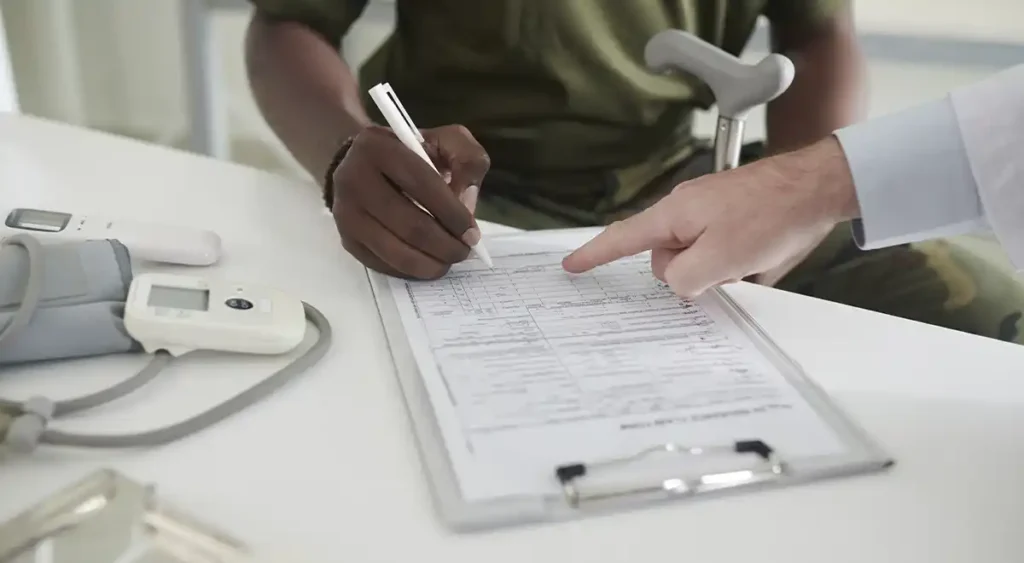
Unlike workers’ compensation, VA benefits do not require you to prove that your injury happened during a specific work shift. However, if you are filing for workers’ compensation after a warehouse injury, you must tell your VA representative about the incident. The interaction between workers’ compensation and federal disability can be nuanced, especially when calculating your total monthly household income. Legal experts often compare workers’ compensation structures to the VA’s schedule for rating disabilities to find common ground in medical evidence. If your workers’ compensation claim is denied, it does not necessarily mean your VA disability claim will face the same fate. Each system has its own set of administrative judges and medical examiners who interpret the evidence based on different statutes. For example, the SSA focuses on your ability to perform any gainful employment, while the VA focuses on service connection. This means you could be 70% disabled by VA standards but still be denied social security disability if you can work. Conversely, a successful workers’ compensation claim can provide immediate medical relief while you wait for the VA’s longer decision process. By 2026, the goal for many advocates is to create a more unified system for veterans to report all forms of disability. Understanding the specific deadlines for workers’ compensation in your state is just as important as knowing the VA’s filing dates. Keeping a detailed calendar of all your appointments and filing deadlines will prevent you from losing out on valuable benefits. A multi-faceted approach to disability benefits ensures that you are protected from every possible angle of financial risk.
Medical Malpractice, Wrongful Death, and VA Disability Pay
In some tragic cases, veterans may suffer further harm due to medical malpractice within the VA healthcare system or private hospitals. If a healthcare provider’s negligence leads to a new injury or a worsened condition, you may be entitled to compensation through a personal injury lawsuit. Medical malpractice claims are notoriously complex and require expert testimony to prove that the standard of care was not met. If the negligence results in the loss of a veteran, the family may pursue a wrongful death claim to seek justice and financial support. Wrongful death actions can help cover funeral expenses, loss of consortium, and the loss of the veteran’s future VA disability pay. These cases are often handled in federal court if the malpractice occurred at a VA facility, involving specific statutes like the Federal Tort Claims Act. Navigating the legal requirements of veterans law in these situations requires a dedicated attorney with experience in medical malpractice. It is also important to understand how a settlement from a wrongful death or malpractice suit might affect survivor benefits. The VA provides Dependency and Indemnity Compensation (DIC) to eligible survivors, which is a separate form of VA benefits. A personal injury lawyer can help families understand their rights and the potential impact on their ongoing VA disability benefits. As we move toward 2026, the legal landscape for medical malpractice continues to evolve, with new precedents being set in federal court. Protecting your family’s future means holding negligent parties accountable while maintaining your eligibility for VA disability pay. If you suspect that medical errors have impacted your health or your VA rating, seeking a case evaluation is a critical first step. Legal professionals can review your medical records to determine if there is sufficient evidence to move forward with a claim.

The process of filing a claim under 38 U.S.C. § 1151 allows veterans to receive disability compensation for injuries caused by VA medical care. This is different from a traditional medical malpractice lawsuit, as it functions more like a standard disability claim within the VA system. However, if you choose to file a lawsuit under the Federal Tort Claims Act (FTCA), any settlement may be offset against your future VA benefits. This “offset” rule is a critical consideration for families who are weighing their legal options after a medical error occurs. An experienced attorney can help you calculate whether a lump-sum settlement is more beneficial than ongoing monthly disability payments. In cases of wrongful death, the emotional toll is immense, and the legal process can feel like an added burden. Having a legal team to handle the depositions and expert witness testimony allows the family to focus on their grieving process. By 2026, the VA is expected to implement more transparent reporting for medical errors to improve patient safety across all facilities. If a veteran dies from a service-connected condition, the surviving spouse may be eligible for a tax-free monthly benefit. Proving that the death was service-connected often requires a detailed review of the veteran’s medical history and the cause of death. Legal experts can assist in gathering the necessary forensic evidence to support a claim for survivor benefits. No amount of money can replace a loved one, but financial security can provide peace of mind during a difficult time. Ensuring that the VA acknowledges the true cause of a veteran’s passing is a vital part of honoring their service.
Steps to Accelerate Your VA Disability Rating Application
While the VA disability claim timeline 2026 is influenced by many factors beyond your control, there are steps you can take to speed up the process. The most effective way to accelerate your VA claim is to submit a Fully Developed Claim (FDC) from the very beginning. An FDC includes all necessary medical records, buddy statements, and nexus letters required for the VA to make a decision without further evidence gathering. By providing everything upfront, you reduce the back-and-forth communication that often stalls the VA disability claim process. Additionally, ensuring that the VA has access to your private medical records through proper authorization forms can save weeks of waiting. If you are facing extreme financial hardship or a terminal illness, you can request that your VA claim be prioritized for faster processing. Veterans who are over the age of 75 also qualify for expedited handling of their disability benefits applications. Regularly checking the status of your va claims through the official portal allows you to respond quickly to any requests for additional information. It is also helpful to stay informed about changes in veterans law that might affect your specific condition or VA rating. Remember that a well-organized application is much harder for the VA to deny or delay, leading to a faster decision letter. As the VA implements more automation by 2026, digital accuracy will become even more important for a smooth experience. Taking a proactive approach to your VA disability rating can significantly reduce the stress associated with the long wait times.

Another way to potentially shorten your wait time is to use Disability Benefits Questionnaires (DBQs) completed by your private physician. These forms are designed to provide the VA with the exact medical information they need to assign a rating for a specific condition. When a private doctor completes a DBQ, it can sometimes replace the need for a VA-scheduled C&P exam entirely. This is particularly useful for veterans who live in rural areas where travel to a VA medical center is difficult. However, you must ensure that your doctor is thorough and follows the VA’s specific instructions for completing the paperwork. If the DBQ is incomplete or lacks sufficient detail, the VA will still require you to attend one of their exams. By 2026, the VA plans to expand the list of conditions that can be evaluated through telehealth appointments, further speeding up the process. You should also keep a “symptom log” to document how your condition affects your daily life over a period of several months. This log can serve as powerful lay evidence to support the clinical findings in your medical records. If you receive a request for more information, try to respond within 48 hours to keep your file moving through the queue. Every day you wait to respond is another day added to your total processing time. Small, consistent actions can lead to a much faster resolution of your disability benefits claim.
Choosing Legal Representation for a Free Case Evaluation
Navigating the VA disability claim timeline 2026 can be overwhelming, but you do not have to do it alone. Many veterans benefit from seeking a free case evaluation from a law firm that specializes in veterans disability and personal injury. A free case review allows you to discuss the specifics of your VA claim with an expert who can identify potential hurdles. During a case evaluation, an attorney will look at your current VA rating and determine if there is a path to increasing your monthly disability pay. They can also advise you on whether you have grounds for additional claims related to car accidents, medical malpractice, or social security disability. Choosing a firm that understands both veterans law and personal injury ensures that all aspects of your physical and financial well-being are considered. These professionals can represent you in federal court if your claim is unfairly denied, providing a level of advocacy that is hard to achieve on your own. When selecting a lawyer, be sure to review their privacy policy to ensure your sensitive medical records are handled with care. Most reputable firms operate on a contingency fee basis, meaning they only get paid if you successfully recover benefits or a settlement. This arrangement makes high-quality legal support accessible to veterans regardless of their current financial situation. Whether you are just starting your VA claim or are deep in the appeals process, professional guidance can make a world of difference. By 2026, the complexity of the VA system will likely continue to grow, making expert advice more valuable than ever. Don’t hesitate to reach out for a free case evaluation to secure the VA disability benefits you earned through your service. Your future stability and the well-being of your family may depend on the actions you take today to protect your rights.

A qualified attorney can also help you navigate the “Notice of Disagreement” process if your initial claim is denied or underrated. They have the experience to know which “lane” of the Appeals Modernization Act is best for your specific situation. For example, a Higher-Level Review might be faster if the error was purely administrative, while a Supplemental Claim is better for new evidence. Your legal representative will act as a buffer between you and the VA, handling all the complex correspondence and deadlines. This reduces the emotional stress on you and your family, allowing you to focus on your health and recovery. In 2026, the VA’s digital portal will offer more tools for attorneys to track claims in real-time, improving communication. When you attend a free case evaluation, come prepared with a list of your current medications and any recent medical diagnoses. The more information you provide, the more accurately the attorney can assess the strength of your case. They can also help you gather “buddy statements” from fellow service members who witnessed the events that led to your injury. These statements are often the missing piece of evidence that finally secures a service connection for a veteran. Legal advocacy is not just about filing papers; it is about telling your story in a way the VA cannot ignore. Investing in professional help is an investment in your long-term financial security and peace of mind. Take the first step today by scheduling a consultation with a trusted veterans disability law firm.
In conclusion, the VA disability claim timeline 2026 is a complex journey that requires patience, organization, and a clear understanding of the law. From the initial claim received notification to the final decision letter, every step is an opportunity to strengthen your case for a higher VA rating. By considering how personal injury, social security disability, and workers’ compensation interact with your VA benefits, you can create a comprehensive financial plan. Whether you are dealing with the aftermath of car accidents or seeking support for mental health conditions, help is available. Stay informed, stay proactive, and ensure that you are receiving the full VA disability pay you deserve for your sacrifices. The road to 2026 may be long, but with the right strategy and legal support, you can navigate the VA claim process with confidence. Your service to the country has earned you these benefits, and ensuring you receive them is a vital step in your post-military life. As the system evolves, continue to monitor your va claims and adjust your strategy as needed to achieve the best possible outcome.