


Living with chronic pain is tough enough without the added stress of filing a VA claim. But what happens when you are dealing with functional loss from chronic pain and the VA says you don’t have a formal diagnosis? This specific frustration drives many veterans to research VA chronic pain claim functional loss VA pain without diagnosis VA.
This situation happens more often than you might think. Veterans across the country face this challenge every single day. The good news is that you can still file a successful claim. It just takes the right approach and documentation.

Understanding VA Chronic Pain Claim Functional Loss VA Pain Without Diagnosis VA
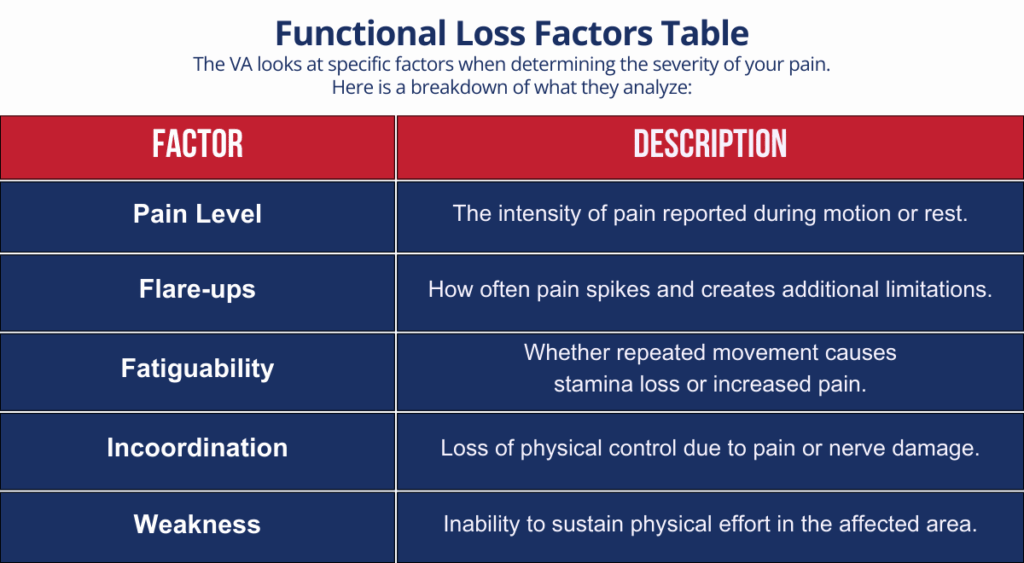
The VA generally prefers clear diagnoses with specific medical codes. They want to see a defined condition in your medical records. However, chronic pain does not always fit into a neat box. Sometimes the pain is real and debilitating, but doctors cannot pinpoint an exact cause. This does not mean your claim is doomed. The VA is required to look at functional loss, not just medical labels. Functional loss refers to how your condition affects your daily life. Can you work effectively? Can you sleep through the night?
Can you exercise or even walk without severe pain? These are the questions that matter when filing for benefits. The VA rating system focuses heavily on how much your condition limits your ability to function. This concept is vital for any veteran seeking disability compensation. When dealing with conditions like sciatica, knee pain, or arthritis, functional loss becomes critical to document. These musculoskeletal issues often contribute to chronic pain in veterans. A lack of a specific label does not invalidate your experience. Your pain claims are valid if the functional impairment is proven.
Why Functional Loss Matters More Than You Think
The VA evaluates claims based on regulations that consider the whole person. While 38 CFR § 4.130 covers mental disorders, chronic pain syndrome often impacts ratings similarly. Why does this matter? Because the rating formula looks at how your symptoms impact your social and occupational functioning. You do not need a fancy diagnosis if you can prove your pain prevents you from working or living normally. The VA must consider the full picture of your health. Think about what you cannot do anymore. Maybe you used to run marathons but now you cannot walk to the mailbox.
Perhaps you were a mechanic but now lifting tools causes shooting pain. These real-world impacts carry serious weight in your claim. Courts have ruled on this specific issue. The Court of Appeals for the Federal Circuit examined how the VA must evaluate functional impairment.
In the landmark case Saunders v. Wilkie, the Federal Circuit ruled that pain itself can be a disability. This ruling changed the landscape for veterans chronic pain claims. It means that pain symptoms, even without a specific structural diagnosis, can warrant disability benefits. This applies as long as the pain causes functional loss.
Building Your Claim Without a Formal Diagnosis
So how do you file a VA chronic pain claim functional loss VA pain without diagnosis VA? Start with your service connection. You need to show that your pain started during service or got worse because of service. This is the foundation of any VA claim.Gather any records from your time in service. Sick call visits, injury reports, and notes from your commanding officer help establish an in-service event.Next, document your current symptoms thoroughly. Keep a pain journal that tracks your daily experiences.
Write down when the pain occurs, how severe it is, and what activities trigger it. This creates a timeline the VA cannot ignore. Get statements from people who know you well. Your spouse, friends, or coworkers can describe how your pain has changed your life.These lay statements are powerful evidence. They show functional loss from a perspective the VA values. Do not underestimate the power of buddy statements. They fill in gaps that service treatment records might miss.
Medical Evidence That Supports Your Claim
Even without a specific diagnosis, you still need strong medical evidence. Visit your doctor regularly and describe your symptoms in detail. Make sure your doctor documents everything you tell them. If they run tests that come back normal, that is okay.The important part is that your pain is real and documented in your medical records. Ask your doctor to write about your functional limitations. Can you lift heavy objects? How long can you stand or sit? Does pain interrupt your sleep or require assistive devices? These observations from a medical professional carry significant weight. They validate what you are experiencing even without a diagnosis code.
Consider seeing specialists who understand chronic pain. Pain management doctors and neurologists often provide detailed reports. Some veterans find success with new treatments for chronic pain that also generate helpful medical records. Each treatment attempt shows the VA you are actively managing your condition. You also need a medical nexus linking your current pain to your military service. This link is essential for service connection. A doctor can provide a nexus letter stating your pain is “at least as likely as not” caused by service. This medical opinion connects the dots for the VA rater.
How the VA Rates Chronic Pain Claims
The VA uses a percentage system to rate disabilities. Ratings range from 0% to 100% in increments of 10%. Higher ratings mean more monthly compensation. But how does the VA assign these ratings for chronic pain? They look at the severity of your functional impairment. Mild impairment might get a 10% or 30% rating. Moderate impairment could earn 50% or 70%. Severe impairment that prevents most daily activities might qualify for a total disability rating. The VA considers factors like whether you can work, maintain relationships, or handle stress. They also look at how often your symptoms flare up.
If your pain prevents you from keeping a job, you might be eligible for Total Disability Individual Unemployability (TDIU). This pays at the 100% rate even if your math rating is lower. One veteran achieved a 100% disability rating after consulting a law firm specializing in VA claims. The firm helped submit comprehensive medical records that clearly showed functional loss. Chronic pain can also lead to secondary conditions. For example, constant pain often causes mental health issues like depression or anxiety. You can file for these as secondary service-connected disabilities. This strategy can significantly increase your overall va rating.
Common Mistakes to Avoid
Many veterans hurt their claims by not being specific enough. Simply stating you have pain is insufficient. You need to describe where it hurts, how often, and what makes it worse. Generic descriptions do not help your case. Another mistake is waiting too long to file. The earlier you file, the more back pay you might receive. Some veterans also fail to attend their Compensation and Pension exams. These exams are critical to your claim. If you miss one, the VA might deny your claim entirely. Always show up and be honest about your symptoms.
Do not downplay your pain during the exam. Some veterans try to act tough and end up with lower ratings. Be honest about how you perform daily tasks. If you struggle to put on socks or stand in the shower, say so. Failing to submit social security disability records is another oversight. If the SSA says you are disabled, that is strong evidence for the VA. Do not forget to list secondary conditions. If your knee pain causes hip issues due to an altered gait, claim the hip too.
What to Do If Your Claim Gets Denied
Getting denied is frustrating but it is not the end. You have several options for appeal. First, understand why the VA denied your claim. Read the decision letter carefully. Often the VA needs more evidence or clearer documentation of functional loss. You can submit new evidence and request a review. The appeals process includes several paths. You can choose a supplemental claim, higher level review, or appeal to the Veterans Court (Board of Veterans’ Appeals). Each option has different timelines and requirements. Many veterans find success by working with experienced representatives.
A VA accredited attorney or agent knows how to present your case effectively. They understand what strong medical evidence the VA needs to see. If you have new medical opinions, a supplemental claim is often the best route. This allows you to add information to your file. For errors in law, a higher level review might work better. A senior rater will look at the existing evidence again.

Getting Help with Your VA Chronic Pain Claim Functional Loss VA Pain Without Diagnosis VA
You do not have to fight this battle alone. Professional help can make a huge difference in your outcome. VA service organizations offer free assistance to veterans. Groups like the DAV and VFW have trained representatives. You can also hire a private attorney who specializes in VA disability benefits. They usually only get paid if you win. Their fees come from your back pay, so there is no upfront cost. This makes legal help accessible to all veterans.
The right representative will gather evidence, attend hearings with you, and handle all the paperwork. They take the burden off your shoulders. When choosing help, look for someone with a proven track record. Ask about their success rate with chronic pain claims involving chronic conditions. They can help with nexus linking and obtaining independent medical opinions. This expertise is invaluable when you lack a formal diagnosis.
Real Stories from Veterans
Many veterans have successfully won benefits for chronic pain without a specific diagnosis. Their stories show it is possible to receive VA disability benefits. One Marine veteran suffered from widespread pain after multiple deployments. Doctors could not find a clear cause, which is common for veterans leaving military service. By documenting his functional limitations and getting strong lay statements, he secured a 70% rating. His life changed dramatically with that disability compensation. Another Army veteran dealt with debilitating back pain. MRIs showed minor issues but nothing that explained his severe symptoms. He kept detailed pain journals and had his spouse write a statement. Together, this evidence earned him a 50% rating.
He focused on how he could not perform daily tasks like yard work or lifting his children. This focus on functional loss was the key. Another case involved a veteran with undiagnosed joint pain claiming a service-connected condition. The medical evidence was sparse, but his service treatment records showed repeated complaints. By connecting those old complaints to his current functional loss, he won his claim. He proved the pain started in service and continued to the present. These veterans did not give up when faced with uncertainty. They focused on proving functional loss rather than chasing a label.
Taking the Next Steps
If you are living with chronic pain from your service, you deserve compensation. Do not let the lack of a formal diagnosis stop you. Start gathering your evidence today. Collect service records, medical documentation, and personal statements. Schedule an appointment with your doctor and discuss your functional limitations. Ask them to document everything in detail, especially regarding nerve damage or mobility issues. Consider reaching out to a VA representative or attorney who can guide you through the va disability claims process. Their experience can save you months of frustration.
Make sure you mention any secondary service-connected issues. Mental health struggles are often tied to chronic pain. Review your service medical records for any mention of pain. Even a single visit to sick call can serve as your in-service event. Filing a VA chronic pain claim functional loss VA pain without diagnosis VA is challenging but absolutely achievable. Focus on showing how your pain affects your daily life. The VA must consider functional loss when rating your claim. With the right approach and documentation, you can get the benefits you have earned.

Conclusion
Managing a VA chronic pain claim functional loss VA pain without diagnosis VA does not have to feel impossible. You have served your country and now it is time to get the support you deserve. Remember that functional loss matters more than a specific diagnosis. Document how your pain impacts your daily activities, work, and relationships.
Gather strong evidence including medical records, personal statements, and lay testimony from those who know you. Do not give up if you face a denial. The appeals process exists to correct mistakes and consider new evidence. Seek help from experienced representatives who understand the va claim system.
Your service matters and so does your pain. Take action today to start your claim or appeal.