

That persistent cough you can’t seem to shake. The feeling of being out of breath just walking up a flight of stairs. If you served and were exposed to burn pits, this likely sounds familiar. You are probably wondering about the VA COPD rating VA respiratory conditions burn pit disability claims process.
It can feel overwhelming, but you’re in the right place to get some clarity. So many veterans feel lost trying to connect their current health problems to their time on active duty. You aren’t alone, and there is a path forward to getting the disability benefits you earned.
The process for VA COPD rating VA respiratory conditions burn pit disability claims has changed recently, and it’s mostly for the better. New laws recognize the harm caused by this toxic exposure. This guide will walk you through what you need to know to file a successful VA claim.

What Exactly Were Burn Pits?
For those of us who served during the Gulf War and later conflicts, the image is hard to forget. Burn pits were massive open-air trash fires used on military bases in Iraq, Afghanistan, and other areas. We’re not talking about burning a few old documents.
These pits were used to get rid of everything from plastics, medical waste, and paints to unexploded ordnance and even human waste. This method of waste disposal created significant airborne hazards. The military exposure to this smoke was a daily reality for countless service members.
The smoke they created was thick, black, and filled with a toxic stew of chemicals. Dioxins, particulate matter, depleted uranium residue, and other carcinogens were released into the air we breathed every single day. At the time, few understood the long-term consequences, but the effects on public health and individual veterans have been devastating.

The PACT Act Changed Everything for Veterans
For years, veterans had to fight an uphill battle to prove their respiratory issues were from their service. You had to show a direct service connection, which was incredibly difficult. But the PACT Act, signed into law in 2022, was a massive turning point for veterans affected by toxic exposure.
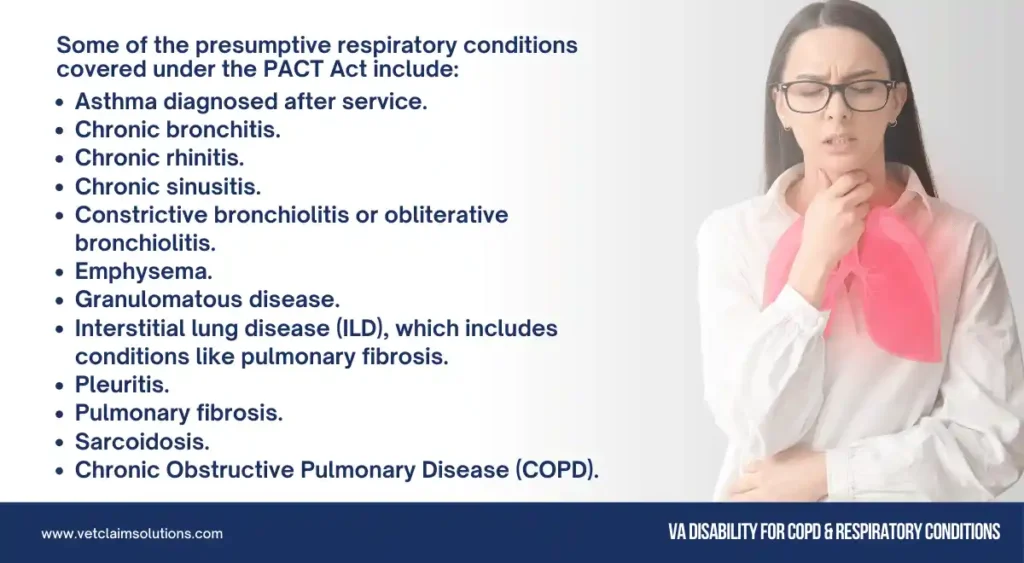
This law expanded VA health care and disability compensation for veterans exposed to burn pits, Agent Orange, and other substances. Most importantly, it added many respiratory conditions and presumptive cancers to the list of “presumptive conditions.” This means if you served in a specific location and timeframe, the VA automatically assumes your health condition is related to your service.
This change is a major step forward, as you no longer have to provide a medical nexus proving the connection for these specific issues. The PACT Act also expanded the list of cancers presumed to be service-connected. This includes conditions like type melanoma neck cancer and even pancreatic cancer reproductive cancer, showing a broader understanding of military environmental exposures.
This is a big deal because it removes one of the biggest roadblocks veterans faced when filing a VA disability claim. The VA now has a clear mandate to provide VA health care and benefits to veterans with these conditions. It simplifies the process of getting the VA disability benefits you need.
Getting Your VA COPD Rating VA Respiratory Conditions Burn Pit Disability Claims
Understanding how the VA rates these conditions is the next step. The VA disability rating you get determines your monthly compensation amount and eligibility for other benefits. The VA uses a schedule of ratings based on the severity of your symptoms and how much your condition impacts your ability to function.
What is COPD?
Chronic Obstructive Pulmonary Disease, or COPD, is not just a single disease. It’s a group of lung diseases, a type of obstructive pulmonary disease that blocks airflow and makes it difficult to breathe. The most common conditions that make up this chronic obstructive pulmonary disease are emphysema and service chronic bronchitis.
If you have COPD, you might feel like you’re always trying to catch your breath. According to the Centers for Disease Control and Prevention, it’s a progressive pulmonary disease, meaning it can get worse over time. Getting it service-connected is vital for your health and financial stability.
A diagnosis of chronic obstructive pulmonary can dramatically change your life. Simple tasks can become exhausting, affecting your ability to work and enjoy life. This is why pursuing a VA claim for this health condition is so important.
How the VA Rates COPD
The VA rates COPD under diagnostic code 6604 in the Schedule for Rating Disabilities. The VA rate is almost entirely based on the results of a breathing test called a Pulmonary Function Test (PFT). The VA looks at a few key numbers from this function test to determine how well your lungs are working.
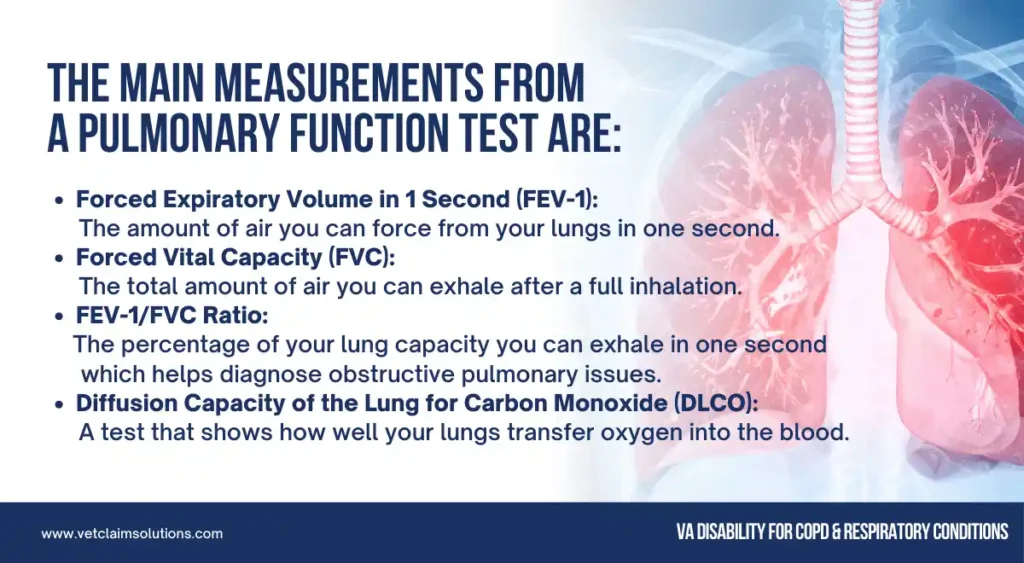
The VA uses these values, expressed as a percentage of what’s predicted for a person of your age, height, and gender, to assign disability ratings. Here is a breakdown of the rating schedule from 38 CFR § 4.97:
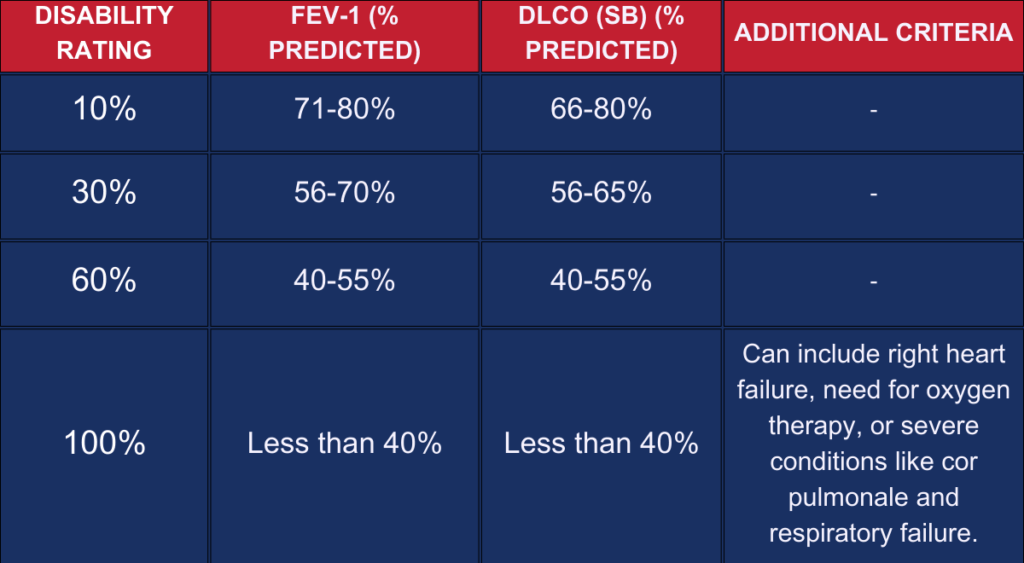
Your va rating will be based on whichever measurement gives you the higher percentage. So if your FEV-1 puts you at 30% but your DLCO is in the 60% range, you should get the 60% rating. Severe cases leading to conditions like pulmonary hypertension may also result in a higher rating.
Other Common Respiratory Conditions from Burn Pits
Chronic obstructive is not the only problem linked to burn pits. Many veterans suffer from chronic sinusitis and rhinitis. This is that constant stuffy nose, sinus pressure, and post-nasal drip that never seems to go away.
The VA rates sinusitis and rhinitis based on how severe and frequent your symptoms are. A 0% rating might be given for a diagnosed condition with few symptoms, while a 50% rating for chronic sinusitis requires radical surgery or near-constant symptoms that cause headaches and pain. These conditions can sometimes lead to sleep apnea, which could be pursued as a secondary service connection claim.
Asthma is another major concern for veterans with military exposure to burn pits. When an asthma diagnosed after service is present, it’s rated based on your PFT results and the frequency of attacks. The need for rescue inhalers and stronger medications like corticosteroids will directly impact your VA rating.
More severe conditions like interstitial lung disease (ILD) and pulmonary fibrosis are also on the presumptive list. These involve scarring of the lung tissue, making it difficult for oxygen to get into your bloodstream. A VA disability rating for interstitial lung disease can be high due to the significant impact on breathing and overall health.
Building Your Disability Claim: The Essentials
Even with the PACT Act, you still need to file a solid VA disability claim. You can’t just say you were exposed to burn pits and have a cough. You need to gather the right evidence to support your case for VA disability compensation.
The Importance of Medical Evidence
The foundation of any successful VA claim is a current medical diagnosis. You need a doctor to confirm you have COPD, asthma, or another type respiratory condition. If you don’t have a formal diagnosis yet, your first step is to see a doctor and begin building a medical record.
Once you have a diagnosis, get copies of all your medical records. This includes doctor’s notes, results from any pulmonary function test, and imaging scans like X-rays of your chest wall. These documents paint a clear picture of your condition for the VA reviewer and are essential for your claim.
Establishing Service Connection
To get VA benefits, you must show a link, or nexus, between your health condition and your military service. Service connection typically requires three things:
- A current, diagnosed disability.
- An in-service event, injury, or illness related to your active duty.
- A medical nexus linking the first two.
Thanks to the PACT Act, the nexus is presumed for many conditions if you served in the right place and time. Your deployment records showing you were in a location with burn pits serve as the in-service event for a direct service connection. For non-presumptive conditions, a doctor’s nexus letter stating your condition is “at least as likely as not” caused by your burn pit exposure can still strengthen your claim.
It’s also important to consider a secondary service connection. For instance, if your service-connected rhinitis contributes to developing sleep apnea, you can file a claim for sleep apnea on a secondary basis. Understanding these different paths can help you get all the VA rates you are entitled to.
Personal Statements Can Make a Difference
Don’t overlook the power of your own story. A personal statement, or “lay statement,” lets you describe your symptoms in your own words. You can explain how your breathing problems affect your daily life, your work, and your relationships.
Statements from family, friends, or fellow service members who can attest to your health before and after service can also be very powerful. These “buddy letters” provide more evidence of the real-world impact of your pulmonary disease. They add a human element to your file that medical records alone cannot convey.
What to Expect at Your C&P Exam
After you file your claim, the VA will likely schedule you for a Compensation and Pension (C&P) exam. This is a medical appointment with a VA-contracted doctor. Their job is to assess your condition and give an opinion about its connection to your service and its severity.
For a respiratory claim, you will almost certainly perform a PFT. It is so important to give your best effort during this test. Don’t hold back or try to tough it out, as the results will directly influence your disability rating.
Be honest and thorough with the examiner. Tell them about all of your symptoms, even if you are having a good day. Explain how your worst days look and how frequently they happen, as this provides a complete picture of your disability.

Conclusion
Filing a claim for your respiratory condition can feel like a long process. But understanding the steps and knowing what the VA is looking for makes it much more manageable. The PACT Act has opened doors for millions of veterans who were previously denied the disability benefits they deserve.
Your service and your sacrifice have earned you this help. Your military exposure to burn pits may have caused lasting harm, but you do not have to face the consequences alone. Securing the proper VA support can improve your quality of life significantly.
By gathering your medical records, focusing on service connection, and being prepared for your C&P exam, you can successfully get a VA COPD rating VA respiratory conditions burn pit disability claims decision that reflects the severity of your condition. Don’t hesitate to seek out the VA disability compensation that you are rightfully owed.