

Shoulder injuries are among the common musculoskeletal conditions veterans experience after military service. Heavy rucksacks, body armor, repetitive overhead lifting, and high-impact training can contribute to shoulder pain, rotator cuff injuries, and limited range of motion. If you experience ongoing pain, weakness, or difficulty performing daily activities, understanding your VA shoulder pain rating can help you determine whether you qualify for VA disability benefits.
A VA shoulder pain rating depends on several factors, including your range of motion, the severity of your shoulder condition, and whether the injury affects your dominant arm. The VA also considers functional loss, painful movement, and evidence establishing service connection. This guide explains VA disability ratings for shoulder pain, common shoulder injuries, potential secondary conditions, and the medical evidence needed to support your claim under the VA Schedule for Rating Disabilities.
The VA determines a VA shoulder pain rating using the Schedule of Ratings for the Musculoskeletal System under 38 CFR § 4.71a. Most shoulder conditions involving limited arm movements are evaluated under Diagnostic Code 5201, which measures the severity of restricted motion. These VA disability ratings depend on how far veterans can raise their arms, whether the condition affects their dominant arm, and how pain contributes to functional impairment during daily activities.
During a Compensation and Pension (C&P) exam, an examiner uses a goniometer to measure shoulder movement. Normal forward flexion and abduction reach approximately 180 degrees. However, shoulder pain, rotator cuff injuries, and limited range of motion may affect these measurements. The VA also considers painful movement, weakness, and functional loss when evaluating a service-connected shoulder condition. Veterans can learn more about the examination process through the VA’s official claim exam guide.

The Painful Motion Rule
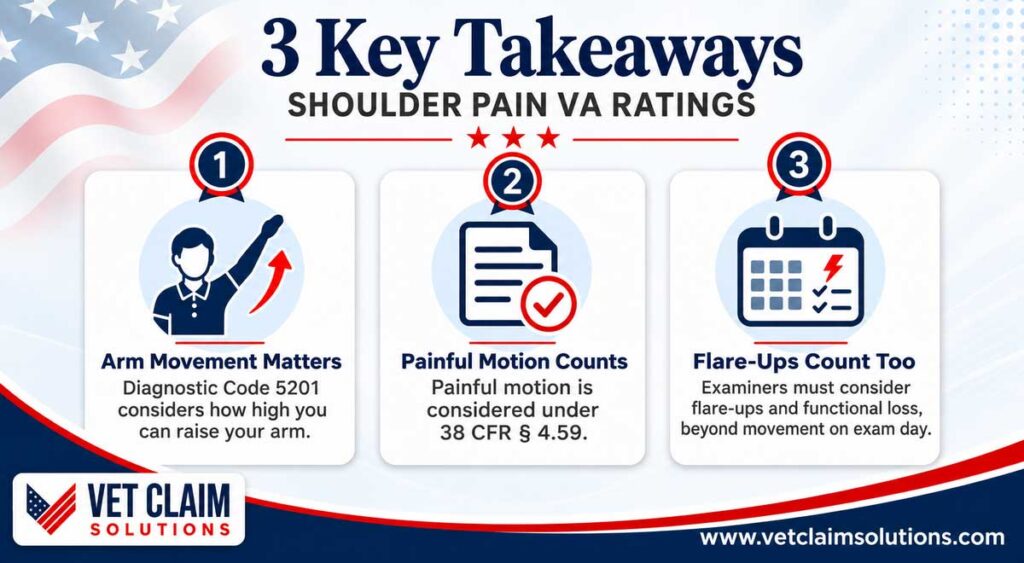
Veterans experiencing shoulder pain may qualify for a compensable VA shoulder pain rating even when their range of motion appears normal. Under 38 CFR § 4.59, the VA recognizes painful motion as an important factor when evaluating service-connected shoulder conditions. The court decision Burton v. Shinseki also confirmed that this regulation is not limited to arthritis. However, the minimum compensable rating depends on the applicable diagnostic code, which is generally 20% for shoulder limitation of motion under Diagnostic Code 5201.
This matters because veterans with rotator cuff injuries, shoulder joint pain, or limited arm movements may experience significant discomfort even when they can raise their arms above shoulder level. Painful movement, weakness, and difficulty completing daily activities can affect the overall evaluation. During a VA claim exam, explain when your pain begins, how frequently symptoms occur, and how your shoulder condition affects everyday tasks.
Functional Loss and Flare-Ups
The VA also evaluates functional loss caused by pain, weakness, fatigue, and reduced coordination under 38 CFR § 4.40 and 38 CFR § 4.45. These requirements are associated with the court decision DeLuca v. Brown, which emphasizes considering additional functional limitations during repeated use and flare-ups when determining VA disability ratings.
For veterans with shoulder injuries, rotator cuff tears, or restricted arm movements, flare-ups may make lifting groceries, reaching overhead, or performing work-related tasks more difficult. Document how often these episodes occur, how long they last, and whether they cause additional functional impairment. Clear descriptions supported by medical evidence can help the VA evaluate the severity of your service-connected shoulder condition.
VA Shoulder Pain Rating Percentages Explained

Diagnostic Code 5201 assigns percentages based on where your arm motion stops. The amounts differ depending on whether your dominant arm, which the VA calls the major arm, or your non-dominant arm is affected. Here is the full breakdown of the rating levels.
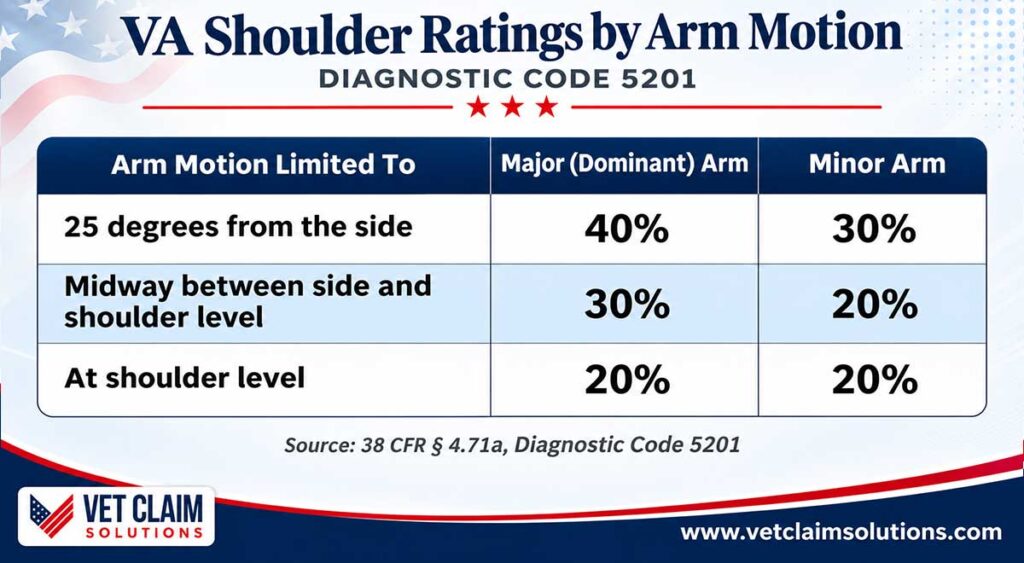
Other VA disability ratings for shoulder conditions fall under different diagnostic codes depending on the severity of the injury. Diagnostic Code 5200 evaluates ankylosis of the scapulohumeral articulation, with ratings ranging from 20% to 50%. Diagnostic Code 5202 covers shoulder dislocation, recurrent instability, and damage to the humerus, with ratings ranging from 20% to 80%. Meanwhile, Diagnostic Code 5203 addresses collarbone and shoulder blade injuries, including clavicle or scapula impairment, with ratings of 10% or 20%. These VA shoulder pain rating criteria consider the affected arm, structural damage, and severity of the condition. Veterans can review the complete criteria under 38 CFR § 4.71a.
What If Both Shoulders Are Affected?
Veterans experiencing shoulder pain in both arms may qualify for separate ratings when each shoulder has a service-connected condition. Under 38 CFR § 4.26, the VA applies a bilateral factor to qualifying disabilities affecting both upper extremities. This adjustment can increase the combined rating used to determine VA disability compensation.
For veterans with bilateral shoulder injuries, rotator cuff tears, or limited arm movements, documenting each affected shoulder is important. Medical records should explain the severity of each condition, including painful motion, weakness, and functional impairment during daily activities. Understanding how the VA combines disability ratings can help veterans evaluate their potential benefits and prepare supporting evidence for each service-connected shoulder condition.
Note: The VA determines your major arm from your service records and exam findings. If you are right-handed, your right arm counts as the major arm, and ratings for that side pay at the higher level.
Common Shoulder Conditions the VA Rates
The VA rating schedule evaluates shoulder conditions based on their severity, limited range of motion, and overall functional impairment, rather than diagnosis alone. Common shoulder injuries affecting veterans include rotator cuff tendinitis and rotator cuff tears, often associated with repetitive overhead lifting, falls, or heavy equipment. Other conditions include shoulder impingement syndrome, which causes pain during arm movements; labral tears and shoulder instability, which may develop after a shoulder dislocation; and AC joint separation, which affects the connection between the collarbone and shoulder blade.
Veterans may also experience bursitis, frozen shoulder (adhesive capsulitis), or osteoarthritis, which can cause stiffness, weakness, and difficulty performing daily activities. Many of these conditions are evaluated under Diagnostic Code 5201 when limitation of arm motion is the primary impairment. For example, a veteran with a rotator cuff tear and another with severe arthritis may both receive a 20% VA shoulder pain rating if their arm movement is limited to shoulder level. However, establishing service connection requires supporting evidence linking the condition to military service or an existing service-connected disability, while the severity of functional loss helps determine the appropriate VA disability rating.
How to File a VA Claim for Shoulder Pain
Filing a strong claim takes preparation, and small mistakes early on can delay your benefits for months. Follow these five steps to give yourself the best chance of an accurate rating from the start.
Steps to File Your Shoulder Pain Claim
1. Get a Current Diagnosis
Schedule an appointment with your VA doctor or a private physician to document your shoulder condition. The VA requires a current medical diagnosis before it will grant service connection. Ask your provider to record your range of motion measurements and any imaging results in your file.
Tip: Request a copy of every treatment note so your personal records match what the VA sees.
2. Document the In-Service Event
Gather your service treatment records showing the original injury or any complaints of shoulder pain during service. If records are missing or incomplete, buddy statements from fellow service members can fill the gap. Ask them to describe the incident, your symptoms, and how the injury affected your duties.
3. Establish a Medical Nexus
You need evidence connecting your current shoulder condition to your military service. A nexus letter from a qualified physician stating your condition is at least as likely as not related to service carries significant weight. This link becomes especially important if your symptoms appeared years after discharge.
4. Submit Your Claim
File VA Form 21-526EZ online through VA.gov, by mail, or with free help from an accredited Veterans Service Officer. Submit an intent to file first to protect your effective date while you finish gathering evidence. You can start the process on the VA’s official claims page.
5. Attend Your C&P Exam
The VA will schedule a Compensation and Pension exam to measure your range of motion and assess severity. This appointment often determines your final rating, so treat it as seriously as the claim itself. Learn what to expect on the VA’s claim exam page before your appointment date.
Tip: Write down your symptoms and limitations the night before so nothing gets forgotten during the exam.
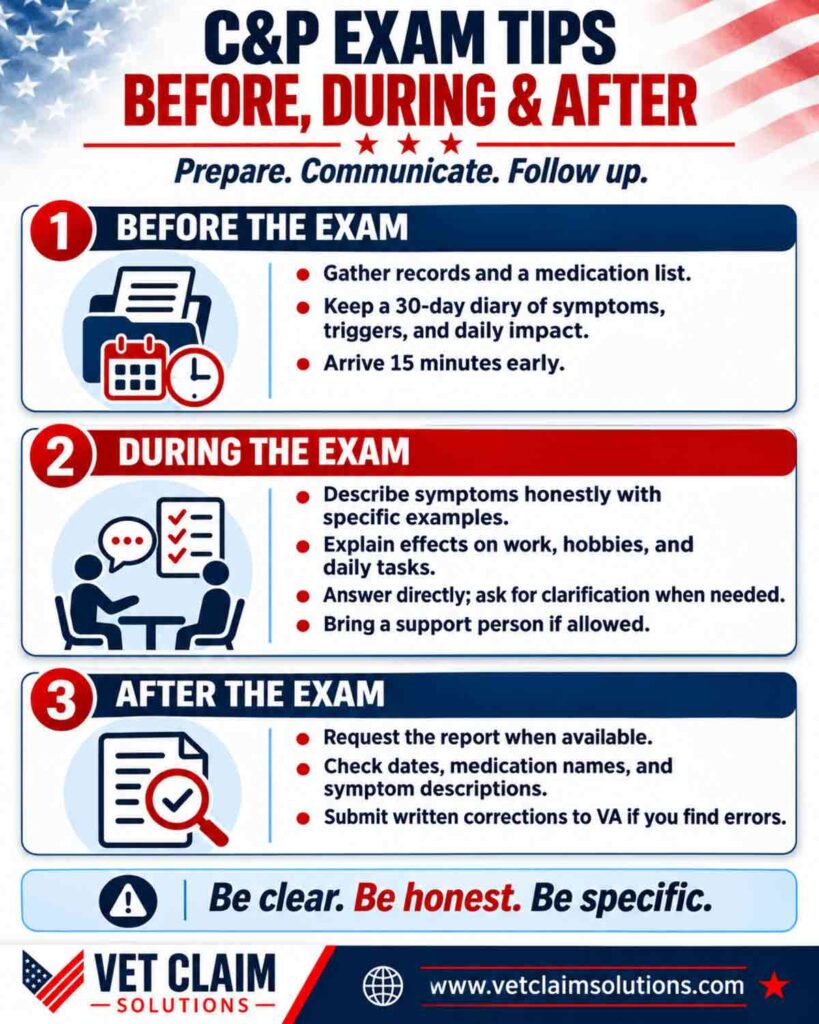
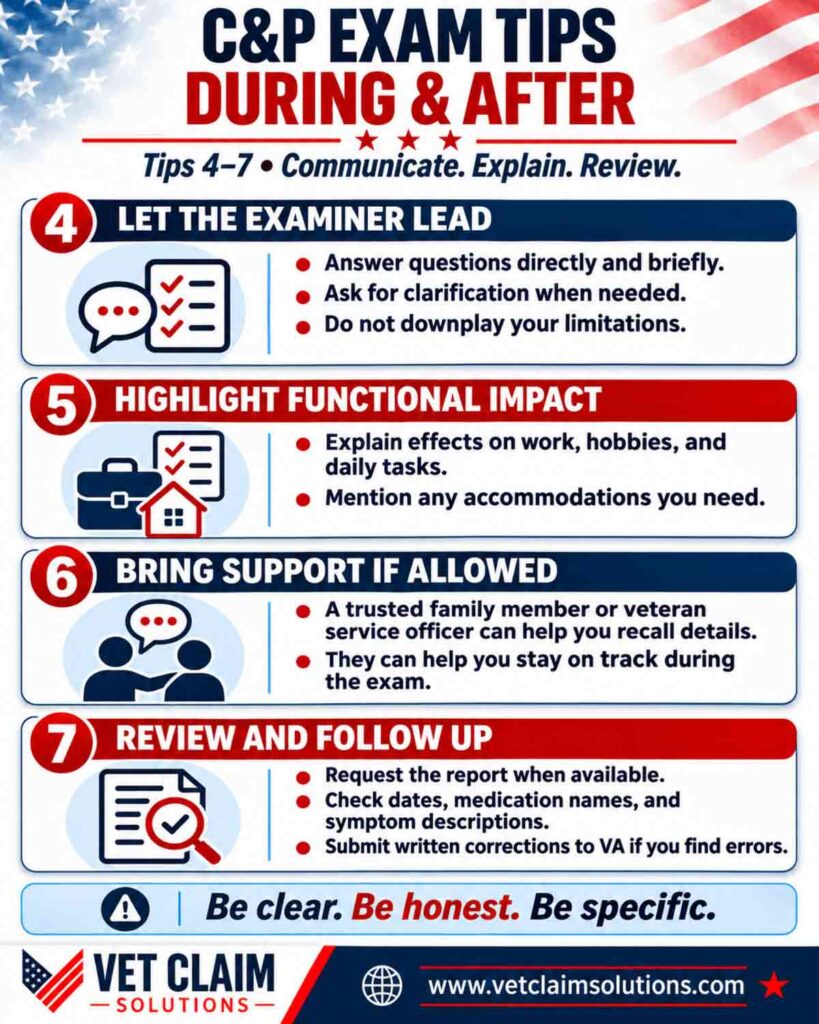
By preparing, communicating clearly, and reviewing the examiner’s findings, you give yourself the best chance of receiving the rating you deserve.
The C&P exam carries enormous weight in your final rating decision. Many veterans walk in unprepared and walk out with a lower rating than they deserve. What should you actually say and do during the appointment?
Conclusion
Getting the correct VA shoulder pain rating matters a lot. Your future depends on it. You worked hard for our country. So, you deserve fair compensation for your VA disability shoulder pain. This means getting your shoulder pain VA disability rating right. Many veterans face challenges with their VA rating for shoulder pain. But help is available.
Do not give up if your first VA claim for shoulder pain was low. Many conditions like service-connected shoulder pain can worsen over time. This might let you pursue an increase VA disability rating shoulder pain. Think about all your symptoms. Are they limiting your daily life? You might have secondary conditions VA shoulder pain. These also count for your rating.
You need strong evidence for your VA disability claims for shoulder pain. This includes medical records. It also includes buddy statements. Getting professional help can make a big difference. They help customers understand the process. They can help you with appealing VA shoulder pain rating decisions. Make sure all your pain and limitations are clear.
We help customers get the benefits they earned. Your journey to a proper shoulder pain VA rating is important. You have rights. We are here to give you help. Do not wait to ask for help. We decided to help veterans. Because you deserve the best possible outcome.